Class notes pedodontics
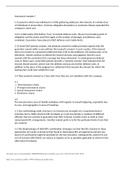
Dental Trauma in Children: Managing and Treating Dental Injuries Dental trauma refers to injuries or damage sustained by the teeth, gums, or surrounding oral structures due to accidents, falls, sports-related incidents, or other traumatic events. Dental trauma can be a distressing experience for children and requires prompt attention and appropriate treatment. Here is a brief description of dental trauma in children: Types of Dental Trauma: Dental trauma can manifest in various forms, including fractured or chipped teeth, avulsed (knocked-out) teeth, displaced or luxated teeth, injuries to the lips or gums, or fractures in the jawbone. The severity of the trauma can range from mild to severe, requiring different levels of intervention. Immediate First Aid: In cases of dental trauma, immediate first aid should be provided. Rinse the mouth with clean water and apply a cold compress to the affected area to reduce swelling. If a tooth has been knocked out, handle it carefully by the crown (top part), avoid touching the root, and try to reinsert it into the socket if possible. If that is not feasible, store the tooth in milk or saliva and seek immediate dental attention. Dental Evaluation: After a dental trauma incident, it is crucial to seek professional dental evaluation as soon as possible. A pediatric dentist will assess the extent of the injury, examine the affected area, and take any necessary X-rays or scans to evaluate the internal structures. Early evaluation allows for timely treatment and management of dental trauma. Treatment Options: The treatment for dental trauma depends on the type and severity of the injury. It may involve procedures such as tooth bonding or restoration for chipped or fractured teeth, splinting or repositioning of displaced teeth, root canal treatment for injured tooth nerves, or extraction in severe cases. Dentists aim to restore function, aesthetics, and ensure the long-term health of the affected teeth and surrounding tissues. Follow-Up Care: After initial treatment, follow-up care is essential to monitor healing, prevent complications, and ensure proper oral health. Regular check-ups will allow the dentist to assess the progress of the healing process, make any necessary adjustments, and address any concerns that may arise. Preventive Measures: Educating children and parents about dental trauma prevention is a vital aspect of dental care. This may involve the use of protective mouthguards during sports activities, teaching safe habits, and raising awareness about potential hazards that can lead to dental injuries. Proper management and timely treatment of dental trauma in children are crucial for minimizing long-term consequences and promoting optimal oral health. If your child experiences dental trauma, seek immediate dental care to ensure the best possible outcomes and support their dental well-being
Escuela, estudio y materia
- Institución
- Desconocido
- Grado
- Pedodontics
Información del documento
- Subido en
- 13 de mayo de 2023
- Número de páginas
- 3
- Escrito en
- 2022/2023
- Tipo
- Notas de lectura
- Profesor(es)
- Dr. anju rv
- Contiene
- Todas las clases
Temas
-
dental trauma in children
-
traumatology
-
dental injuries