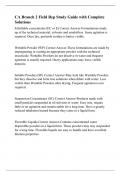
Class notes pedodontics
The development of teeth is a complex process that occurs in stages, starting from the early formation of tooth buds to the eruption of fully developed teeth. However, sometimes, developmental disturbances can occur, resulting in anomalies in dental growth and formation. Here is a brief description of developmental disturbances of teeth: Tooth Hypoplasia: Tooth hypoplasia refers to the incomplete or defective development of tooth enamel. It can manifest as white or brown spots, grooves, or pits on the tooth surface. Factors such as malnutrition, illness, trauma, or certain medications during tooth development can contribute to this condition. Tooth hypoplasia can make affected teeth more prone to tooth decay and sensitivity. Tooth Agenesis: Tooth agenesis is the absence of one or more permanent teeth. It can occur due to genetic factors or as part of a syndrome. The most commonly missing teeth are the third molars (wisdom teeth), followed by the second premolars and upper lateral incisors. Tooth agenesis may lead to alignment issues and impact the functionality and aesthetics of the dentition. Supernumerary Teeth: Supernumerary teeth are extra teeth that exceed the normal dentition count. They can appear in any area of the mouth and may cause overcrowding, misalignment, or impede the eruption of permanent teeth. Supernumerary teeth can occur as isolated cases or be associated with genetic conditions. Tooth Eruption Disturbances: Tooth eruption disturbances involve delays or deviations from the normal eruption pattern of teeth. Teeth may erupt earlier or later than expected or may erupt in abnormal positions. Factors such as genetics, crowding, and oral habits (thumb sucking, tongue thrusting) can influence eruption disturbances. Orthodontic intervention may be required to address alignment issues caused by eruption disturbances. Enamel Defects: Enamel defects refer to structural abnormalities in the tooth enamel. These defects can manifest as discoloration, pitting, or enamel hypoplasia. Enamel defects can result from genetic factors, nutritional deficiencies, certain medications, or systemic conditions during tooth development. They can make teeth more susceptible to decay and require appropriate dental care and treatment. Dens in Dente: Dens in dente, also known as "tooth within a tooth," is a developmental anomaly where a deep invagination occurs within the tooth during its formation. This invagination can trap bacteria and debris, leading to an increased risk of tooth decay or infection. Understanding developmental disturbances of teeth is important for early detection and appropriate management. Regular dental check-ups, early orthodontic evaluation, and timely intervention can help address these issues, promote proper dental development, and maintain optimal oral health. If you suspect any developmental disturbances or have concerns about your child's dental development, consult with a dentist or a pediatric dentist for a thorough examination and guidance on necessary treatments or interventions
Escuela, estudio y materia
- Institución
- Desconocido
- Grado
- Pedodontics
Información del documento
- Subido en
- 13 de mayo de 2023
- Número de páginas
- 3
- Escrito en
- 2022/2023
- Tipo
- Notas de lectura
- Profesor(es)
- Dr. amith adyanthaya
- Contiene
- Todas las clases
Temas
-
deformed tooth
-
developmental disturbances of teeth