NURS 01142 Chapter 11 |complete latest solution guide.
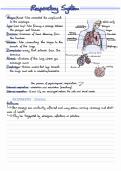
Chapter 9 The transition from intrauterine to extrauterine life begins with the birth of the newborn. The initiation of respirations is the first important step in neonatal transition Inhalation of the amniotic fluid into the lungs helps o promote growth and differentiation of the lung tissue Intrapulmonary Fluid, Fetal Breathing Movements, and Surfactant o Lung expansion after birth stimulates the release of surfactant, a slippery detergentlike phospholipid that includes lecithin and sphingomyelin. o Surfactant causes a decreased surface tension within the alveoli, which prevents alveolar collapse and allows for alveolar re-expansion and gas exchange. o Chemical factors that initiate respirations are hypercarbia, acidosis, and hypoxia o These conditions, brought about by the stress of labor and birth, stimulate the respiratory center in the brain to initiate breathing. o Hypoxia causes blood oxygen levels and pH to drop. o The drastic change in temperature helps stimulate the initiation of respirations Normal range: 97.7-98.6 o To prevent cold stress and respiratory depression, the nurse immediately dries the infant and either places the infant skin-to-skin with the mother/partner or in a radiant warmer. o Primary mechanical factors involved in the initiation of respirations include removing fluid from the lungs and replacing it with air. o The fetal chest compression thoracic squeeze that occurs during a vaginal birth increases intrathoracic pressure and helps to push fluid out of the lungs. o RECOIL OF THE CHEST WALL AFTER THE BIRTH OF THE NEWBORN’S TRUNK CREATES A NEGATIVE INTRATHORACIC PRESSURE o This facilitates a small, passive inspiration of air, which replaces the fluid that has been squeezed out.
Escuela, estudio y materia
- Institución
- Valdosta State University
- Grado
- NURS 01142
Información del documento
- Subido en
- 12 de mayo de 2023
- Número de páginas
- 27
- Escrito en
- 2022/2023
- Tipo
- OTRO
- Personaje
- Desconocido
Temas
-
nurs 01142