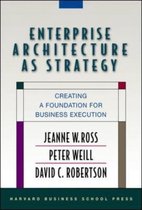
Enterprise Architecture as a Business Strategy
Spring 2023
Table of Contents
Introduction to Enterprise Architecture ................................................................................................. 2
Defining Enterprise Architecture ......................................................................................................... 2
Enterprise Architecture as a Set of Models ........................................................................................... 2
Comparison of the Top Four Enterprise Architecture Methodologies ..................................... 2
Zachman Framework Models ............................................................................................................... 6
The Ontology ...................................................................................................................................... 6
The Challenges ................................................................................................................................... 6
History of Architecting in IT ................................................................................................................. 6
Enterprise Architecture as a Method for Change ................................................................................. 7
Enterprise Architecture Picture Approach ......................................................................................... 7
Enterprise Architecture Principles ....................................................................................................... 8
Design Debt .......................................................................................................................................... 10
Enterprise Architecture as a Business Strategy .................................................................................. 11
Foundation for Execution ................................................................................................................... 11
Operating Model .................................................................................................................................. 11
Core Diagram ........................................................................................................................................ 13
IT Engagement & Enterprise Architecture Maturity ...................................................................... 15
Building the foundation ....................................................................................................................... 16
Enterprise Architecture and Business Transformation .................................................................. 17
Managing the Foundation for Execution.......................................................................................... 18
Archimate Modelling & a Method for Change ................................................................................ 18
Enterprise Architecture Models and Myths Over the Years............................................................. 20
The Enterprise Architecture Benefits Model................................................................................... 20
A Resource-based Perspective of Value Generation through Enterprise Architecture
Management ......................................................................................................................................... 21
Using EA standards in managing IT ............................................................................................... 22
EA Myths ........................................................................................................................................... 23
,Introduction to Enterprise Architecture
Defining Enterprise Architecture
Enterprise Architecture (EA) is a combination of tens to thousands of artifacts that describe a
business and its systems
Core components of EA:
- As-is: the current state assessment of the organization
- To-be: the future state and, generally, the main focus of an EA assignment
- Migration plan: without a viable route from as-is to to-be, the architecture has already failed
- Principles: the guidelines for users of the architecture (e.g., buy not build)
- Decision log: starts during the development of the EA but a key part of the ‘living’
architecture
Enterprise Architecture as a Set of Models
Comparison of the Top Four Enterprise Architecture Methodologies
EA was started (1987) to address two major
problems in IT:
1. Managing the increasing complexity of
information technology systems
2. The increasing difficulty in delivering real
business value with those systems
Definitions:
- Architect: one whose responsibility is the design of an architecture and the creation of an
architectural description
- Architectural artifact: a specific document, report, analysis, model, or other tangible that
contributes to an architectural description
- Architectural description: a collection of artifacts to document an architecture
- Architectural framework: a skeletal structure that defines suggested artifacts, their relations,
and generic definitions for what those artifacts might look like
, - Architectural methodology: any structured approach to solving some or all of the problems
related to architecture
- Architectural process: a defined series of actions directed to the goal of producing either an
architecture or an architectural description
- Architectural taxonomy: a methodology for organizing and categorizing architectural
artifacts
- Architecture: the fundamental organization of a system embodied in its components, their
relationships to each other and the environment, and the principle guiding its design and
evolution
Zachman Framework
The Zachman ‘Framework’ is actually a taxonomy for
organizing artifacts that takes into account both who
the artifact targets and what particular issue is being
addressed
- A logical structure for classifying and organizing
the descriptive representations of an enterprise
that are significant to the management of the
enterprise as well as to the development of the
enterprise’s systems
- There are 6 descriptive foci (data, function,
network, people, time, and motivation) and 6
players perspectives (planner, owner, designer,
builder, subcontractor, and enterprise)
Suggestions of the Zachman grid:
- Every architectural artifact should live in one and only one cell
◦ If it is not clear in which cell a particular artifact lives, then there is a problem with the
artifact itself
- An architecture can be considered complete only when every cell in thar architecture is
complete
- Cells in columns should be related to each other
◦ If there are business requirements that are not traceable down to the database design,
then we must ask if the business needs will be met by this architecture
◦ If there are database design elements that do not trace back to business requirements,
we must ask if we have included unnecessary design at the database level
The Open Group Architecture Framework (TOGAF)
TOGAF divides an enterprise into four categories:
1. Business architecture: describes the business uses to meet its goals
2. Application architecture: describes how specific applications are designed and how they
interact with each other
3. Data architecture: describes how the enterprise datastores are organized and accessed
4. Technical architecture: describes the
hardware and software infrastructure that
supports applications and their interactions
TOGAF is categorized as an architectural
process and it complements Zachman
- Zachman tells you how to categorize your
artifacts, TOGAF gives you a process for
creating them
Spring 2023
Table of Contents
Introduction to Enterprise Architecture ................................................................................................. 2
Defining Enterprise Architecture ......................................................................................................... 2
Enterprise Architecture as a Set of Models ........................................................................................... 2
Comparison of the Top Four Enterprise Architecture Methodologies ..................................... 2
Zachman Framework Models ............................................................................................................... 6
The Ontology ...................................................................................................................................... 6
The Challenges ................................................................................................................................... 6
History of Architecting in IT ................................................................................................................. 6
Enterprise Architecture as a Method for Change ................................................................................. 7
Enterprise Architecture Picture Approach ......................................................................................... 7
Enterprise Architecture Principles ....................................................................................................... 8
Design Debt .......................................................................................................................................... 10
Enterprise Architecture as a Business Strategy .................................................................................. 11
Foundation for Execution ................................................................................................................... 11
Operating Model .................................................................................................................................. 11
Core Diagram ........................................................................................................................................ 13
IT Engagement & Enterprise Architecture Maturity ...................................................................... 15
Building the foundation ....................................................................................................................... 16
Enterprise Architecture and Business Transformation .................................................................. 17
Managing the Foundation for Execution.......................................................................................... 18
Archimate Modelling & a Method for Change ................................................................................ 18
Enterprise Architecture Models and Myths Over the Years............................................................. 20
The Enterprise Architecture Benefits Model................................................................................... 20
A Resource-based Perspective of Value Generation through Enterprise Architecture
Management ......................................................................................................................................... 21
Using EA standards in managing IT ............................................................................................... 22
EA Myths ........................................................................................................................................... 23
,Introduction to Enterprise Architecture
Defining Enterprise Architecture
Enterprise Architecture (EA) is a combination of tens to thousands of artifacts that describe a
business and its systems
Core components of EA:
- As-is: the current state assessment of the organization
- To-be: the future state and, generally, the main focus of an EA assignment
- Migration plan: without a viable route from as-is to to-be, the architecture has already failed
- Principles: the guidelines for users of the architecture (e.g., buy not build)
- Decision log: starts during the development of the EA but a key part of the ‘living’
architecture
Enterprise Architecture as a Set of Models
Comparison of the Top Four Enterprise Architecture Methodologies
EA was started (1987) to address two major
problems in IT:
1. Managing the increasing complexity of
information technology systems
2. The increasing difficulty in delivering real
business value with those systems
Definitions:
- Architect: one whose responsibility is the design of an architecture and the creation of an
architectural description
- Architectural artifact: a specific document, report, analysis, model, or other tangible that
contributes to an architectural description
- Architectural description: a collection of artifacts to document an architecture
- Architectural framework: a skeletal structure that defines suggested artifacts, their relations,
and generic definitions for what those artifacts might look like
, - Architectural methodology: any structured approach to solving some or all of the problems
related to architecture
- Architectural process: a defined series of actions directed to the goal of producing either an
architecture or an architectural description
- Architectural taxonomy: a methodology for organizing and categorizing architectural
artifacts
- Architecture: the fundamental organization of a system embodied in its components, their
relationships to each other and the environment, and the principle guiding its design and
evolution
Zachman Framework
The Zachman ‘Framework’ is actually a taxonomy for
organizing artifacts that takes into account both who
the artifact targets and what particular issue is being
addressed
- A logical structure for classifying and organizing
the descriptive representations of an enterprise
that are significant to the management of the
enterprise as well as to the development of the
enterprise’s systems
- There are 6 descriptive foci (data, function,
network, people, time, and motivation) and 6
players perspectives (planner, owner, designer,
builder, subcontractor, and enterprise)
Suggestions of the Zachman grid:
- Every architectural artifact should live in one and only one cell
◦ If it is not clear in which cell a particular artifact lives, then there is a problem with the
artifact itself
- An architecture can be considered complete only when every cell in thar architecture is
complete
- Cells in columns should be related to each other
◦ If there are business requirements that are not traceable down to the database design,
then we must ask if the business needs will be met by this architecture
◦ If there are database design elements that do not trace back to business requirements,
we must ask if we have included unnecessary design at the database level
The Open Group Architecture Framework (TOGAF)
TOGAF divides an enterprise into four categories:
1. Business architecture: describes the business uses to meet its goals
2. Application architecture: describes how specific applications are designed and how they
interact with each other
3. Data architecture: describes how the enterprise datastores are organized and accessed
4. Technical architecture: describes the
hardware and software infrastructure that
supports applications and their interactions
TOGAF is categorized as an architectural
process and it complements Zachman
- Zachman tells you how to categorize your
artifacts, TOGAF gives you a process for
creating them