Mark Klimek Lecture Notes LECTURE 1: Acid Base Balance & Ventilator
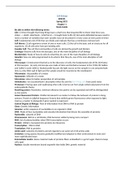
LECTURE 1: Acid Base Balance & Ventilator Interpreting Blood Gases (remember the rules of the B’s) If the pH and the bicarb are both in the same direction then it’s metaBolic (Bicarb Both Bolic), if they are in different directions then it is respiratory If bicarb is normal and the pH is low or high then its respiratory You will be given 8 values for arterial blood gas, always first look at the pH and the bicarb first You get acidosis and alkalosis from the pH LABS: ABG’s The normal pH is 7.35-7.45 The normal bicarb is 22-26 (the bicarb years where you make all the decisions [22-26 years old], or 2+2+2=6) The normal CO2 is 35-45 (same as pH) Signs and Symptoms with ABG’s As the pH goes up so does my patient o If the pH goes up, every system in your body gets more irritable/hyperexcitable As the pH goes down so does my patient o If the pH goes down, systems in your body shut down Except for potassium- When pH goes down, potassium goes up If the pH goes up (alkalosis): you will find irritability, hyperreflexia (3&4), tachypnea, tachycardia, borborygmi (increased bowel sounds), seizure (need suctioning at the bed side because they can seize and aspirate) If pH goes down (acidosis): hyporeflexia, bradycardia, lethargy, obtunded, paralytic ileus, coma, respiratory arrest (need bag-mask ventilation bag at bedside for respiratory arrest), +1 reflexes MACkussmal- compensatory and respiratory pattern for only acid base disorder: MACMetabolic ACidosis Respiratory Acidosis multiple choice example: What would you see with a patient who is in respiratory acidosis?
Escuela, estudio y materia
- Institución
- Stratford University
- Grado
- Nursing 4530
Información del documento
- Subido en
- 16 de marzo de 2023
- Número de páginas
- 6
- Escrito en
- 2022/2023
- Tipo
- Examen
- Contiene
- Preguntas y respuestas
Temas
-
mark klimek lecture notes lecture 1 acid base balance amp ventilator