INTRODUCTION TO ACTUS REUS
AND
OMISSIONS
Basic Reading
Herring, Chapter 2 and at least one other textbook chapter on Actus Reus
Further Reading
A. Ashworth & E. Steiner, ‘Criminal Omissions and public duties: the French Experience’(1990) 10
Legal Studies 153
A. Ashworth, ‘The Scope of Criminal Liability for Omissions’ (1989) 105 LQR 424
N. Cobb, ‘Compulsory Care-Giving: Some Thoughts on Relational Feminism, the Ethics of Care
and Omissions Liability’ (2008) 39 Cambrian Law Review 11
A. McGee, ‘Ending the life of the Act/Omission Dispute: Causation in Withholding and
Withdrawing Life-Sustaining Measures’ (2011) 31 Legal Studies 478
A. Simester, ‘Why Omissions are Special’ (1995) 1 Legal Theory 311
G. Williams, ‘Criminal Omissions – the Conventional View’ (1991) 107 LQR 86
Crime = Actus Reus + Mens Rea – a defence
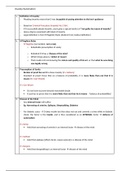
Definition of Actus Reus:
The conduct element of the offence. Describes what the defendant must be proved to have
done (or sometimes failed to do), in what circumstances and with what consequences in
order to be guilty of a crime.
The actus reus of an offence comprises all the external elements of the definition of the
offence. It may include:
Conduct (acts or omissions).
Consequences caused by the conduct.
And surrounding circumstances/state of affairs :
Facts surrounding the conduct necessary to establish the Actus Reus
E.g. theft – property belongs to another person.
Rape of a minor – must be under 16, rape of an adult – no consent had been
provided.
NB – The Actus Reus of every crime is different.
Involves three aspects:
1. Proof the defendant did a particular act.
2. Proof the act caused a particular result.
3. Proof the act or result occurred in certain circumstances.
Not true for all actus rei (plural) e.g. bigamy requires the act of marriage, but
there is no need to prove any result.
Conduct crime – requires proof only the defendant did an act. No need to
demonstrate the act produced a particular result e.g. possession of prohibited
drugs.
Result crimes – Not only performed a particular act but act produced certain
results e.g. murder requires proof that defendants action caused death.
1
AND
OMISSIONS
Basic Reading
Herring, Chapter 2 and at least one other textbook chapter on Actus Reus
Further Reading
A. Ashworth & E. Steiner, ‘Criminal Omissions and public duties: the French Experience’(1990) 10
Legal Studies 153
A. Ashworth, ‘The Scope of Criminal Liability for Omissions’ (1989) 105 LQR 424
N. Cobb, ‘Compulsory Care-Giving: Some Thoughts on Relational Feminism, the Ethics of Care
and Omissions Liability’ (2008) 39 Cambrian Law Review 11
A. McGee, ‘Ending the life of the Act/Omission Dispute: Causation in Withholding and
Withdrawing Life-Sustaining Measures’ (2011) 31 Legal Studies 478
A. Simester, ‘Why Omissions are Special’ (1995) 1 Legal Theory 311
G. Williams, ‘Criminal Omissions – the Conventional View’ (1991) 107 LQR 86
Crime = Actus Reus + Mens Rea – a defence
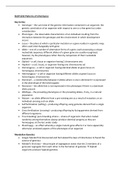
Definition of Actus Reus:
The conduct element of the offence. Describes what the defendant must be proved to have
done (or sometimes failed to do), in what circumstances and with what consequences in
order to be guilty of a crime.
The actus reus of an offence comprises all the external elements of the definition of the
offence. It may include:
Conduct (acts or omissions).
Consequences caused by the conduct.
And surrounding circumstances/state of affairs :
Facts surrounding the conduct necessary to establish the Actus Reus
E.g. theft – property belongs to another person.
Rape of a minor – must be under 16, rape of an adult – no consent had been
provided.
NB – The Actus Reus of every crime is different.
Involves three aspects:
1. Proof the defendant did a particular act.
2. Proof the act caused a particular result.
3. Proof the act or result occurred in certain circumstances.
Not true for all actus rei (plural) e.g. bigamy requires the act of marriage, but
there is no need to prove any result.
Conduct crime – requires proof only the defendant did an act. No need to
demonstrate the act produced a particular result e.g. possession of prohibited
drugs.
Result crimes – Not only performed a particular act but act produced certain
results e.g. murder requires proof that defendants action caused death.
1