WEEK 8 International Strategy
01 November 2022 15:22
SESSION 3
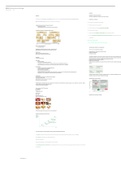
CREATING A MISSION STATEMENT:
SESSION 2: Clarifies the organisation's purpose, values and direction
To understand the key questions and challenges facing businesses as they chose how to operate across international borders FORMULATE A STRATEGY
What are the different ways that businesses address these challenges?
1. Corporate, international-level strategy
INTERNATIONALISATION AND TRANSACTION COSTS • ‘What business will we operate?’
- Potential entry modes
- Trade-off between risk and control/resource commitment • How to create and maintain competitive advantage?
ALTERNATIVE MODES OF OVERSEAS MARKET ENTRY 2. Business level strategy
• ‘How should we compete in each market we have chosen to enter?’
• How we coordinate our different units and the local activities of specific businesses or
subsidiaries
3. Function level strategy
• E.g. marketing, HRM , finance, etc (next lecture)
HOW TO INTERNATIONALISE
- Description below INTERNATIONAL COMPETITIVE ADVANTAGE
EXPORTING: strategy producing and selling + distributing them Three sources of competitive advantage
COUNTERTRADE: transaction made in kind rather than cash
= - Global efficiencies: economies of scale and scope
LIMITED RISK - Multinational flexibility
Retains manufacturing home markets - Worldwide learning
Know enough to make exporting successful
The global–local dilemma: the extent to which products and services may be standardised ac
LICENSING national boundaries or need to be adapted to meet the requirements of specific national ma
In return for fee/royalty - Customer tastes and conditions of usage may vary between countries
- National governments may want variation
Advantages: - Different technical standards
- Access to markets - Different national competitors may make it difficult to offer the same competitive advantage
- Low risk and commitment of resources market
- Learning at low cost: Information on product performance and competitors at little cost
- Improved delivery/service levels in local markets depending on local partners’ capabilities.
Disadvantages
- Disclosure of competitive knowledge/experience
- Creates possible future competitors
- Lack of control over operations
- Passive interaction with the market
- Possible exclusion from some export markets (high tariffs on exports due to the alternative licensing agreements).
- Organisation: cost of adaptation, transfer and control of licensed tech
Strategies adopted to balance the goals of global efficiencies, multinational flexibility and wo
FRANCHISING learning to create and maintain competitive advantage
Grants licence to franchisees, complete business package
Use whole business format
Enable operate own businesses same standards INTERNATIONAL LEVEL STRATEGY
(McDonald's owned by privately)
The McDonald’s operating system requires franchisees to follow the core McDonald’s principles of quality, service, cleanlines s and value – tightly
defined, tightly monitored and tight controlled.
= Importance of brand managements
Do you want to be McD's franchisee
Buy: £800,000
Provide 25%
Training costs: £750
Monthly fees
Rent: 18%
Service of system: 5% BUSINESS LEVEL STRATEGY: GENERIC
National marketing spend: 4.5%
Potential advantages within rigid control and standardisation?
INTERNATIONATIONALISATION PROCESS
THE UPPSALA MODEL (HOW COMPANIES LEARN THROUGH INTERNATIONALISATION)
First export, probably to nearby markets with low commitment and limited barriers (including e.g. culture, language)
Then license (or alternative non-equity approaches)
Then sales operatives
Finally, full production or service activity in the host country
It is a gradual approach to market entry - learning about the host country and market would support further expansion of involvement
and activities
LECTURES Page 1
01 November 2022 15:22
SESSION 3
CREATING A MISSION STATEMENT:
SESSION 2: Clarifies the organisation's purpose, values and direction
To understand the key questions and challenges facing businesses as they chose how to operate across international borders FORMULATE A STRATEGY
What are the different ways that businesses address these challenges?
1. Corporate, international-level strategy
INTERNATIONALISATION AND TRANSACTION COSTS • ‘What business will we operate?’
- Potential entry modes
- Trade-off between risk and control/resource commitment • How to create and maintain competitive advantage?
ALTERNATIVE MODES OF OVERSEAS MARKET ENTRY 2. Business level strategy
• ‘How should we compete in each market we have chosen to enter?’
• How we coordinate our different units and the local activities of specific businesses or
subsidiaries
3. Function level strategy
• E.g. marketing, HRM , finance, etc (next lecture)
HOW TO INTERNATIONALISE
- Description below INTERNATIONAL COMPETITIVE ADVANTAGE
EXPORTING: strategy producing and selling + distributing them Three sources of competitive advantage
COUNTERTRADE: transaction made in kind rather than cash
= - Global efficiencies: economies of scale and scope
LIMITED RISK - Multinational flexibility
Retains manufacturing home markets - Worldwide learning
Know enough to make exporting successful
The global–local dilemma: the extent to which products and services may be standardised ac
LICENSING national boundaries or need to be adapted to meet the requirements of specific national ma
In return for fee/royalty - Customer tastes and conditions of usage may vary between countries
- National governments may want variation
Advantages: - Different technical standards
- Access to markets - Different national competitors may make it difficult to offer the same competitive advantage
- Low risk and commitment of resources market
- Learning at low cost: Information on product performance and competitors at little cost
- Improved delivery/service levels in local markets depending on local partners’ capabilities.
Disadvantages
- Disclosure of competitive knowledge/experience
- Creates possible future competitors
- Lack of control over operations
- Passive interaction with the market
- Possible exclusion from some export markets (high tariffs on exports due to the alternative licensing agreements).
- Organisation: cost of adaptation, transfer and control of licensed tech
Strategies adopted to balance the goals of global efficiencies, multinational flexibility and wo
FRANCHISING learning to create and maintain competitive advantage
Grants licence to franchisees, complete business package
Use whole business format
Enable operate own businesses same standards INTERNATIONAL LEVEL STRATEGY
(McDonald's owned by privately)
The McDonald’s operating system requires franchisees to follow the core McDonald’s principles of quality, service, cleanlines s and value – tightly
defined, tightly monitored and tight controlled.
= Importance of brand managements
Do you want to be McD's franchisee
Buy: £800,000
Provide 25%
Training costs: £750
Monthly fees
Rent: 18%
Service of system: 5% BUSINESS LEVEL STRATEGY: GENERIC
National marketing spend: 4.5%
Potential advantages within rigid control and standardisation?
INTERNATIONATIONALISATION PROCESS
THE UPPSALA MODEL (HOW COMPANIES LEARN THROUGH INTERNATIONALISATION)
First export, probably to nearby markets with low commitment and limited barriers (including e.g. culture, language)
Then license (or alternative non-equity approaches)
Then sales operatives
Finally, full production or service activity in the host country
It is a gradual approach to market entry - learning about the host country and market would support further expansion of involvement
and activities
LECTURES Page 1