Transgenesis in Plants
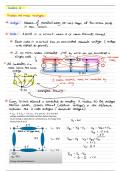
1. How to deliver DNA into the genome of a plant cell? Cell wall – represents
significant barrier
DNA delivery methods
Natural vector: viral or bacterial pathogen
Agrobacterium tumefaciens
Gram negative, opportunistic soil pathogen (of dicot plants)
Infection results in crown galls = undifferentiated mass of proliferating cells
(tumour)
Cells of tumour produce opines – large quantities of these novel amino acids
synthesised (strain influences type of opine produced – rich in nitrogen and
carbon – rich supply for bacteria
living on tumour)
Plant cells converted into food
factory for bacteria
Re-programming of the plant cells
involves transfer of bacterial
genes
Genes for oncogenesis and opine
synthesis carried on bacterial plasmid
Ti (tumour inducing) plasmid
T-DNA is bordered by 25bp imperfect
direct repeats
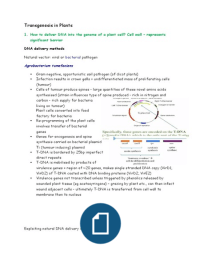
T-DNA is mobilised by products of
virulence genes = region of ~20 genes, makes single stranded DNA copy (VirD1,
VirD2) of T-DNA coated with DNA binding proteins (VirD2, VirE2)
Virulence genes not transcribed unless triggered by phenolics released by
wounded plant tissue (eg acetosyringone) – grazing by plant etc., can then infect
wound adjacent cells – ultimately T-DNA is transferred from cell wall to
membrane then to nucleus
Exploiting natural DNA delivery system
, None of the genes carried on the T-DNA involved in transfer process (only the DR
are required)
Considerations…
- Natural genes on T-DNA have evolved to be functional in plant nucleus (eg. plant
promoter element and polyA signal) – need to fuse similar DNA elements to oour
engineered genes
- Replacement of oncogenes means that transformed plant cell does not form
cancerous growth
- To select for few transformed cells in infected tissue need selectable
marker on T-DNA
- Problem – T-DNA (~200kb) Ti
plasmid genetic engineering is
very challenging, low copy
number, large size
Overcome problem with binary plasmid system
Possible since virulence gene
products work in trans
disarmed Ti plasmid (has virulence
genes, but no genes to transfer) +
small cloning vector – typically a
bacterial cloning vector (with T-DNA,
kanamycin resistance gene,
Agrobacterium ori, E.coli ori)
pBin19 – typical cloning vector (~11,
777 bp) – kanamycin resistance
gene, lacZ, polylinker
2. How to regenerate a whole,
fertile plant from the transformed
cell?
Finally can transfer the system to
Agrobacterium then transfer to plant:
a) Take young leaf tissue – produce
leaf discs by punching holes into
a leaf
b) Incubate with Agrobacterium
which will detect the wounded
leaf tissue
, c) Encourage growth of transformed cell variety of techniques grow the
transformed cells on feeler cells (plant cells grown in suspension), cytokinin to
induce shoot formation, auxin to induce root formation, carbenicillin to kill of
Agrobacterium – all possible as plant cells are totipotent can grow plant cells
on a plate and eventually produce an entire plant
d) Check by PCR to see if DNA has entered the transgenic plant – though there is
no control as where T-DNA goes, can insert in any chromosome, position of T-
DNA insertion will affect the expression level of transgenes
Problems
Until recently – only thought to work with dicots, but is possible in monocots
(depends on the position of T-DNA insertion) – needed a more universal DNA
delivery system
Agrobacterium can also transform human cells, yeast cells, algae if strains and
compounds refined
Lot of complex patent and IP issues associated with using Agrobacterium system
Physical method: naked DNA and force into plant cells – biolistics/chemical
treatment/electroporation of protoplasts
Biolistics/microinjection
Biological ballistics – “introduction of
substances into intact cells or tissue
through the use of high velocity
microprojectiles)
Typically gold or tungsten (0.5-5 um) –
dense – doesn’t accelerate too rapidly,
relatively inert, non-toxic to cells
Velocity: ~400m/s
Bombardment usually carried in partial
vacuum
Target can be a lawn of cells, piece of
tissue or whole organism
Advantage: DNA can also be delivered into
the chloroplast – requires DNA to be delivered across cell wall and 3 membranes,
can achieve high levels of expression (100x higher protein level over nuclear
genome), concern for nuclear transgenes transferred into pollen (level of
containment in chloroplasts, as they are only maternally inherited), foreign DNA can
be targeted to precise genome location, can insert multiple genes as an operon
(nuclear transgenes need their own promoter elements)
1. How to deliver DNA into the genome of a plant cell? Cell wall – represents
significant barrier
DNA delivery methods
Natural vector: viral or bacterial pathogen
Agrobacterium tumefaciens
Gram negative, opportunistic soil pathogen (of dicot plants)
Infection results in crown galls = undifferentiated mass of proliferating cells
(tumour)
Cells of tumour produce opines – large quantities of these novel amino acids
synthesised (strain influences type of opine produced – rich in nitrogen and
carbon – rich supply for bacteria
living on tumour)
Plant cells converted into food
factory for bacteria
Re-programming of the plant cells
involves transfer of bacterial
genes
Genes for oncogenesis and opine
synthesis carried on bacterial plasmid
Ti (tumour inducing) plasmid
T-DNA is bordered by 25bp imperfect
direct repeats
T-DNA is mobilised by products of
virulence genes = region of ~20 genes, makes single stranded DNA copy (VirD1,
VirD2) of T-DNA coated with DNA binding proteins (VirD2, VirE2)
Virulence genes not transcribed unless triggered by phenolics released by
wounded plant tissue (eg acetosyringone) – grazing by plant etc., can then infect
wound adjacent cells – ultimately T-DNA is transferred from cell wall to
membrane then to nucleus
Exploiting natural DNA delivery system
, None of the genes carried on the T-DNA involved in transfer process (only the DR
are required)
Considerations…
- Natural genes on T-DNA have evolved to be functional in plant nucleus (eg. plant
promoter element and polyA signal) – need to fuse similar DNA elements to oour
engineered genes
- Replacement of oncogenes means that transformed plant cell does not form
cancerous growth
- To select for few transformed cells in infected tissue need selectable
marker on T-DNA
- Problem – T-DNA (~200kb) Ti
plasmid genetic engineering is
very challenging, low copy
number, large size
Overcome problem with binary plasmid system
Possible since virulence gene
products work in trans
disarmed Ti plasmid (has virulence
genes, but no genes to transfer) +
small cloning vector – typically a
bacterial cloning vector (with T-DNA,
kanamycin resistance gene,
Agrobacterium ori, E.coli ori)
pBin19 – typical cloning vector (~11,
777 bp) – kanamycin resistance
gene, lacZ, polylinker
2. How to regenerate a whole,
fertile plant from the transformed
cell?
Finally can transfer the system to
Agrobacterium then transfer to plant:
a) Take young leaf tissue – produce
leaf discs by punching holes into
a leaf
b) Incubate with Agrobacterium
which will detect the wounded
leaf tissue
, c) Encourage growth of transformed cell variety of techniques grow the
transformed cells on feeler cells (plant cells grown in suspension), cytokinin to
induce shoot formation, auxin to induce root formation, carbenicillin to kill of
Agrobacterium – all possible as plant cells are totipotent can grow plant cells
on a plate and eventually produce an entire plant
d) Check by PCR to see if DNA has entered the transgenic plant – though there is
no control as where T-DNA goes, can insert in any chromosome, position of T-
DNA insertion will affect the expression level of transgenes
Problems
Until recently – only thought to work with dicots, but is possible in monocots
(depends on the position of T-DNA insertion) – needed a more universal DNA
delivery system
Agrobacterium can also transform human cells, yeast cells, algae if strains and
compounds refined
Lot of complex patent and IP issues associated with using Agrobacterium system
Physical method: naked DNA and force into plant cells – biolistics/chemical
treatment/electroporation of protoplasts
Biolistics/microinjection
Biological ballistics – “introduction of
substances into intact cells or tissue
through the use of high velocity
microprojectiles)
Typically gold or tungsten (0.5-5 um) –
dense – doesn’t accelerate too rapidly,
relatively inert, non-toxic to cells
Velocity: ~400m/s
Bombardment usually carried in partial
vacuum
Target can be a lawn of cells, piece of
tissue or whole organism
Advantage: DNA can also be delivered into
the chloroplast – requires DNA to be delivered across cell wall and 3 membranes,
can achieve high levels of expression (100x higher protein level over nuclear
genome), concern for nuclear transgenes transferred into pollen (level of
containment in chloroplasts, as they are only maternally inherited), foreign DNA can
be targeted to precise genome location, can insert multiple genes as an operon
(nuclear transgenes need their own promoter elements)