Anat – module 1
Study of structure. Word anatomy is derived from Greek and means ‘to cut apart’. In anatomy,
the parts of an organism are ‘cut apart’ in order to ascertain their position, relations, structure
and function.
The four areas of anatomy include:
- Histology (microscopic features)
- Gross anatomy (macroscopic features)
- Neuroanatomy
- Embryology
Q. where are the smallest bone and muscle in your body located?
Found in your middle ear, and their combined size is comparable to that of a dime
Q. what does the average human brain weigh?
3 pounds, similar weight to the liver
Q. how many times its size can the human adult stomach expand?
4 times its size, holding nearly 2L
Q. how many feet long is the human digestive tract?
29 feet long
Q. what organ is roughly the same size as your fist?
Heart
Q. can humans survive with just one lung?
Yes
Unity of form and function
Form and function are inextricably linked. Organization of a bodily structure is instrumental as it
is the means by which specific function is carried out. This applies to all levels of organization,
from small molecules and cells to organ systems.
When a structure has proper form, it will have proper functioning. When the form is disrupted,
dysfunction may occur.
Organization of the human body & anatomical nomenclature
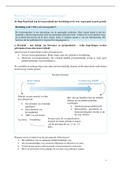
There are microscopic (small) and macroscopic (large) structures of the human body that can
be organized by fundamental levels, ranging from small molecules and cells to the organ
system, as seen in the image.
Chemical level – a molecule is a group of atoms bonded together
Cellular level – cells are the smallest living structure and are formed from atoms and molecules
Tissue level – tissues are similar cells that perform specialized functions
, Organ level – organs are two or more tissues that work together to perform complex functions
Organ system level – the organ system level consists of related organs that work together to
coordinate activities and achieve a common function
Organismal level – all body systems function interdependently in a single living human
Body divisions
Body can be organized into two main regions: axial and appendicular
Axial region forms the main vertical axis of the body, and includes the head, neck and trunk
Appendicular regions include the limbs or appendages that attach to the axis
Axial is made up of bones in your head, neck, back and chest, app is made up of bones that
attach to your axial skeleton
One major difference between axial and appendicular:
The axial region includes the body structures along the midline, head spine and trunk. This is
different from the appendicular region that makes up our limbs or structures further away from
the midline of the body.
Integumentary system: the integumentary system makes up our body covering and includes
our skin and associated structures such as our hair and nails *won’t be covered further
Skeletal system: the skeletal system includes the bones and joints of the body
Muscular system: contains your muscles. The muscular skeletal systems work together for
movement and support
Nervous system: the nervous system includes the brain, spinal cord, and nerves that run
throughout the body
Endocrine: includes glands that produce and secrete hormones. Along with the nervous system,
these two-organ systems function in the integration and coordination of the body to act as a
unit.
Digestive: starts at the mouth with a long tube and ends at the anus
Respiratory: allows you to breathe and includes the nose, air passageways and lungs
Cardiovascular: includes blood, blood vessels and the heart
Lymphatic: includes lymphatic vessels, cells and structures that can initiate an immune
response *won’t be covered further
Urinary: respiratory, cardiovascular, lymphatic and urinary systems function together in the
processing and transportation of nutrients, oxygen and waste products
Reproductive: provides the means for the sexual maturation and procreation of each individual
Body cavities
The organ systems are enclosed within distinct spaces known as body cavities. These spaces are
important because they contain and protect our vital organs.
Two big body cavities: ventral and dorsal. Ventral means front, dorsal means back
- Dorsal contains the brain, spinal cord, otherwise known as the central nervous system
- Dorsal body can be divided into two cavities, cranial (that houses the brain) and
vertebral – contains spinal cord
- Ventral body cavity can be divided into two big groups. First is thoracic (above the
diaphragm), and other is abdominopelvic (below the diaphragm)
Study of structure. Word anatomy is derived from Greek and means ‘to cut apart’. In anatomy,
the parts of an organism are ‘cut apart’ in order to ascertain their position, relations, structure
and function.
The four areas of anatomy include:
- Histology (microscopic features)
- Gross anatomy (macroscopic features)
- Neuroanatomy
- Embryology
Q. where are the smallest bone and muscle in your body located?
Found in your middle ear, and their combined size is comparable to that of a dime
Q. what does the average human brain weigh?
3 pounds, similar weight to the liver
Q. how many times its size can the human adult stomach expand?
4 times its size, holding nearly 2L
Q. how many feet long is the human digestive tract?
29 feet long
Q. what organ is roughly the same size as your fist?
Heart
Q. can humans survive with just one lung?
Yes
Unity of form and function
Form and function are inextricably linked. Organization of a bodily structure is instrumental as it
is the means by which specific function is carried out. This applies to all levels of organization,
from small molecules and cells to organ systems.
When a structure has proper form, it will have proper functioning. When the form is disrupted,
dysfunction may occur.
Organization of the human body & anatomical nomenclature
There are microscopic (small) and macroscopic (large) structures of the human body that can
be organized by fundamental levels, ranging from small molecules and cells to the organ
system, as seen in the image.
Chemical level – a molecule is a group of atoms bonded together
Cellular level – cells are the smallest living structure and are formed from atoms and molecules
Tissue level – tissues are similar cells that perform specialized functions
, Organ level – organs are two or more tissues that work together to perform complex functions
Organ system level – the organ system level consists of related organs that work together to
coordinate activities and achieve a common function
Organismal level – all body systems function interdependently in a single living human
Body divisions
Body can be organized into two main regions: axial and appendicular
Axial region forms the main vertical axis of the body, and includes the head, neck and trunk
Appendicular regions include the limbs or appendages that attach to the axis
Axial is made up of bones in your head, neck, back and chest, app is made up of bones that
attach to your axial skeleton
One major difference between axial and appendicular:
The axial region includes the body structures along the midline, head spine and trunk. This is
different from the appendicular region that makes up our limbs or structures further away from
the midline of the body.
Integumentary system: the integumentary system makes up our body covering and includes
our skin and associated structures such as our hair and nails *won’t be covered further
Skeletal system: the skeletal system includes the bones and joints of the body
Muscular system: contains your muscles. The muscular skeletal systems work together for
movement and support
Nervous system: the nervous system includes the brain, spinal cord, and nerves that run
throughout the body
Endocrine: includes glands that produce and secrete hormones. Along with the nervous system,
these two-organ systems function in the integration and coordination of the body to act as a
unit.
Digestive: starts at the mouth with a long tube and ends at the anus
Respiratory: allows you to breathe and includes the nose, air passageways and lungs
Cardiovascular: includes blood, blood vessels and the heart
Lymphatic: includes lymphatic vessels, cells and structures that can initiate an immune
response *won’t be covered further
Urinary: respiratory, cardiovascular, lymphatic and urinary systems function together in the
processing and transportation of nutrients, oxygen and waste products
Reproductive: provides the means for the sexual maturation and procreation of each individual
Body cavities
The organ systems are enclosed within distinct spaces known as body cavities. These spaces are
important because they contain and protect our vital organs.
Two big body cavities: ventral and dorsal. Ventral means front, dorsal means back
- Dorsal contains the brain, spinal cord, otherwise known as the central nervous system
- Dorsal body can be divided into two cavities, cranial (that houses the brain) and
vertebral – contains spinal cord
- Ventral body cavity can be divided into two big groups. First is thoracic (above the
diaphragm), and other is abdominopelvic (below the diaphragm)