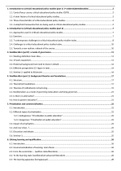
1. Introduction to (critical) educational policy studies (part 1) (= onderwijsbeleidstudies)........................................3
1.1. Central focus course: critical educational policy studies (CEPS)............................................................................3
1.2. A short history of critical educational policy studies.............................................................................................3
1.3. Three characteristics of critical educational policy studies...................................................................................4
1.4. 4 analytical frameworks that are being used in critical educational policy studies...............................................5
2. Introduction to (critical) educational policy studies (part 2)...................................................................................7
2.1. Approaches used in (critical) educational policy studies.......................................................................................7
2.2. Exercises................................................................................................................................................................7
2.3. 7 contemporary challenges to critical educational policy studies today...............................................................8
2.4. Challenges to critical educational policy studies today.......................................................................................10
2.5. Towards a new realism: rational of the course...................................................................................................10
3. Neoliberalism (part1): a mode of governance......................................................................................................11
3.1. Working definition: basic idea.............................................................................................................................11
3.2. 4 Facets (aspecten).............................................................................................................................................11
3.3. Historical background (not need to know in detail)............................................................................................12
3.4. Different perspectives (Cf. figure in text)............................................................................................................14
3.5. Seminar 2: applied to KULeuven.........................................................................................................................16
4. Neoliberalism (part 2): background theories and foundations.............................................................................17
4.1. Structure.............................................................................................................................................................17
4.2. Theoretical foundations......................................................................................................................................17
4.3. Theories of institutional restructuring................................................................................................................19
4.4. Neoliberalism as a mode of governing (education) and being governed............................................................21
4.5. Is there no alternative?.......................................................................................................................................21
4.6. How to govern education?..................................................................................................................................21
5. Privatisation and commercialisation....................................................................................................................22
5.1. Introduction........................................................................................................................................................22
5.2. Different types of privatisation...........................................................................................................................22
5.2.1. Endogenous: “Privatisation in public education”.....................................................................................22
5.2.2. Exogenous: “Privatisation of public education”.......................................................................................23
5.3. Impact of privatisation........................................................................................................................................24
5.4. And now what…?................................................................................................................................................24
5.5. Discussion and debate........................................................................................................................................25
5.6. Seminar 3............................................................................................................................................................25
6. Lifelong learning and qualification.......................................................................................................................26
6.1. Introduction........................................................................................................................................................26
6.2. Governmentalisation of learning: main thesis....................................................................................................26
6.3. From the social state … (welfare state/liberalism)..............................................................................................26
6.4. To the learning state (neoliberalism/advanced liberalism).................................................................................26
6.5. The learning apparatus (leerapparaat)................................................................................................................28
, 6.5.1. The importance of qualification (see text by Cort)...................................................................................29
6.5.2. What does the learning apparatus do?....................................................................................................29
6.6. Discussion and debate........................................................................................................................................30
6.7. Seminar 6: UNESCO: reimagining our futures together, a new social contract for education............................31
7. Accountability (= verantwoordelijkheid)..............................................................................................................32
7.1. Introduction........................................................................................................................................................32
7.2. Working definition..............................................................................................................................................32
7.3. Exercise...............................................................................................................................................................33
7.4. Lingard, Sellar & Lewis on ‘Accountabilities in schools and school systems’.......................................................33
8. Digits and digit(al)isation.....................................................................................................................................36
8.1. Introduction........................................................................................................................................................36
8.2. Digitalisation: working definition........................................................................................................................36
8.3. Digital governance of education.........................................................................................................................36
8.4. Alternative? Resistance?.....................................................................................................................................38
8.5. Some concrete cases...........................................................................................................................................39
,Educational policy: introduction
Exam: 25/11 written exam, closed book (1 concept you can bring with you) → 1 A4
Important to ‘know’ the main concepts → use this on examples
Exam: take the critical educational policy scholar stance!
1. Introduction to (critical) educational policy studies (a lens to look with)
Theory
2. Neoliberalism (as a mode of governance)
3. Governing (ourselves through):
- Privatisation and commercialisation Concrete
themes
- lifelong learning and qualification
Analysis of a
- accountability and quality management
policy proposal
- numbers, examples and digits
4. Practical exercise: analysis of a policy document → speaker UNESCO
5. Conclusion
1. Introduction to (critical) educational policy studies (part 1) (=
onderwijsbeleidstudies)
= a lens to look at educational policy
- Importance of ‘critical’
- (Trans) national policies
- Do not generalize, but look at context!
1.1. Central focus course: critical educational policy studies (CEPS)
Educational policy = field of practice
2 different forms:
- Educational policy studies
o Inscribe themselves in policies: to improve policy and focus on problem solving
o Ex. Measure the efficiency of a policy measure: comparative studies, effectiveness studies (PISA)
- Critical educational policy studies
o Does not insert itself uncritically in existing policy system, but looks at these policies critically
o How is education governed/how are we governed? In whose name? In whose interest?
o Be critical, distance yourself from policy, context, outcome, consequences, laws that is very known
Making familiar again unknown
o Also want to improve, but do not work directly with the policy maker
More with social movements, an indirect way, more with other parties
1.2. A short history of critical educational policy studies
After WW II: emergence of welfare state (≈ emergence of policy sciences) (beleidswetenschapen)
Social scientists emerged (not studies yet)
- Goal: contribute to the further development of the Western democratic state
- Driven by a:
o Strong belief in the central role of the state to manage societal problems through policies
o Scientific problem-oriented rationality: science can contribute to solving societal problems
- Study issues such as employment, effectiveness, equality, …
o Do research to improve the policy
- Multidisciplinary: economists, social scientists, political scientists, …
- Work close with welfare state: solve societal problems & inform policy making to create better policies
- Policy process: problem solving as a main focus of public policy
o Include a value orientation: say which solution is better than others
o But the research itself could be conducted objectively
, 1960-1970’s: full-blown interventionist welfare state (≈ boom of policy sciences)
- Alliance between (social) sciences and welfare state/public policy
o Not only to reflect but also influence future policy
o Work together with policy makers to improve policies
- Policy scientists are expected to collect data to support and inform public policy
o Data collection: comparative studies, evaluation research, planning, …
- Policy scientists inscribe themselves in the existing policies (‘neutral’)
- Policy research increasingly funded by government
1980-1990’s: Crisis of the welfare state (≈ start of critical educational policy studies)
- Connection between social sciences and welfare state/policy breaks
- Crisis of welfare state → emergence of neoliberal and neoconservative policies
o Minimal state
o Dismantling welfare state
o Price system as regulator → treats citizens as consumers (deregulation, marketisation, competition)
- Disagreement between specific group of social scientists and specific groups of policy makers on the policies
themselves and the definition of the problems to tackle
o Changing funding streams for policy studies
o Critical theory
- A dichotomy arises in the studies of educational policy scientists
Educational policy sciences/scientists Critical educational policy studies/scholars (CEPS)
- Not critical of policies = the perspective of this course
- Work with policy makers for problem solving - Social equality, emancipation, freedom
- See themselves as neutral - Basic democratic values and distance yourself
- Inserts itself in way in which policies are framed from policy-making process/field
- Focus on policy texts/policy outcomes - Look critically at reality: how power and interest
o Make them more efficient are formed and themselves form reality
- Difference between “study of policy” and “critical - Driven by values that strongly link to welfare state
advocacy” (not really critically advocate) - Does not insert itself into the way in which policies
- Policy research is value-free are framed, but looks at them critically
- Focus on policy context (wide conception of policy)
- Critical advocacy (Kritische belangenbehartiging)
- Critique on policy-knowledge alliance:
- policy research is not value free
1.3. Three characteristics of critical educational policy studies
1. Study of policy system driven by educational, social, moral concerns
NOT ABOUT CONCERN ABOUT
- effectiveness, efficiency of policy - Concern for social justice, democracy, equality,
- directly improving the policy emancipation in education as starting point
- Re-reading: Making familiar again unknown
→ They have different ideas about what is the truth → it’s value driven and never neutral
2. Broad conception of policy (including power, politics and policy in strict sense)
o Questioning the existing assumptions/power relations that support the educational policy
framework
Put into question the distinction between policy and politics
Policy = filled with power
↔ classical distinction between:
o Politics = conflict/interests/power
o policy= rational decision making
1.1. Central focus course: critical educational policy studies (CEPS)............................................................................3
1.2. A short history of critical educational policy studies.............................................................................................3
1.3. Three characteristics of critical educational policy studies...................................................................................4
1.4. 4 analytical frameworks that are being used in critical educational policy studies...............................................5
2. Introduction to (critical) educational policy studies (part 2)...................................................................................7
2.1. Approaches used in (critical) educational policy studies.......................................................................................7
2.2. Exercises................................................................................................................................................................7
2.3. 7 contemporary challenges to critical educational policy studies today...............................................................8
2.4. Challenges to critical educational policy studies today.......................................................................................10
2.5. Towards a new realism: rational of the course...................................................................................................10
3. Neoliberalism (part1): a mode of governance......................................................................................................11
3.1. Working definition: basic idea.............................................................................................................................11
3.2. 4 Facets (aspecten).............................................................................................................................................11
3.3. Historical background (not need to know in detail)............................................................................................12
3.4. Different perspectives (Cf. figure in text)............................................................................................................14
3.5. Seminar 2: applied to KULeuven.........................................................................................................................16
4. Neoliberalism (part 2): background theories and foundations.............................................................................17
4.1. Structure.............................................................................................................................................................17
4.2. Theoretical foundations......................................................................................................................................17
4.3. Theories of institutional restructuring................................................................................................................19
4.4. Neoliberalism as a mode of governing (education) and being governed............................................................21
4.5. Is there no alternative?.......................................................................................................................................21
4.6. How to govern education?..................................................................................................................................21
5. Privatisation and commercialisation....................................................................................................................22
5.1. Introduction........................................................................................................................................................22
5.2. Different types of privatisation...........................................................................................................................22
5.2.1. Endogenous: “Privatisation in public education”.....................................................................................22
5.2.2. Exogenous: “Privatisation of public education”.......................................................................................23
5.3. Impact of privatisation........................................................................................................................................24
5.4. And now what…?................................................................................................................................................24
5.5. Discussion and debate........................................................................................................................................25
5.6. Seminar 3............................................................................................................................................................25
6. Lifelong learning and qualification.......................................................................................................................26
6.1. Introduction........................................................................................................................................................26
6.2. Governmentalisation of learning: main thesis....................................................................................................26
6.3. From the social state … (welfare state/liberalism)..............................................................................................26
6.4. To the learning state (neoliberalism/advanced liberalism).................................................................................26
6.5. The learning apparatus (leerapparaat)................................................................................................................28
, 6.5.1. The importance of qualification (see text by Cort)...................................................................................29
6.5.2. What does the learning apparatus do?....................................................................................................29
6.6. Discussion and debate........................................................................................................................................30
6.7. Seminar 6: UNESCO: reimagining our futures together, a new social contract for education............................31
7. Accountability (= verantwoordelijkheid)..............................................................................................................32
7.1. Introduction........................................................................................................................................................32
7.2. Working definition..............................................................................................................................................32
7.3. Exercise...............................................................................................................................................................33
7.4. Lingard, Sellar & Lewis on ‘Accountabilities in schools and school systems’.......................................................33
8. Digits and digit(al)isation.....................................................................................................................................36
8.1. Introduction........................................................................................................................................................36
8.2. Digitalisation: working definition........................................................................................................................36
8.3. Digital governance of education.........................................................................................................................36
8.4. Alternative? Resistance?.....................................................................................................................................38
8.5. Some concrete cases...........................................................................................................................................39
,Educational policy: introduction
Exam: 25/11 written exam, closed book (1 concept you can bring with you) → 1 A4
Important to ‘know’ the main concepts → use this on examples
Exam: take the critical educational policy scholar stance!
1. Introduction to (critical) educational policy studies (a lens to look with)
Theory
2. Neoliberalism (as a mode of governance)
3. Governing (ourselves through):
- Privatisation and commercialisation Concrete
themes
- lifelong learning and qualification
Analysis of a
- accountability and quality management
policy proposal
- numbers, examples and digits
4. Practical exercise: analysis of a policy document → speaker UNESCO
5. Conclusion
1. Introduction to (critical) educational policy studies (part 1) (=
onderwijsbeleidstudies)
= a lens to look at educational policy
- Importance of ‘critical’
- (Trans) national policies
- Do not generalize, but look at context!
1.1. Central focus course: critical educational policy studies (CEPS)
Educational policy = field of practice
2 different forms:
- Educational policy studies
o Inscribe themselves in policies: to improve policy and focus on problem solving
o Ex. Measure the efficiency of a policy measure: comparative studies, effectiveness studies (PISA)
- Critical educational policy studies
o Does not insert itself uncritically in existing policy system, but looks at these policies critically
o How is education governed/how are we governed? In whose name? In whose interest?
o Be critical, distance yourself from policy, context, outcome, consequences, laws that is very known
Making familiar again unknown
o Also want to improve, but do not work directly with the policy maker
More with social movements, an indirect way, more with other parties
1.2. A short history of critical educational policy studies
After WW II: emergence of welfare state (≈ emergence of policy sciences) (beleidswetenschapen)
Social scientists emerged (not studies yet)
- Goal: contribute to the further development of the Western democratic state
- Driven by a:
o Strong belief in the central role of the state to manage societal problems through policies
o Scientific problem-oriented rationality: science can contribute to solving societal problems
- Study issues such as employment, effectiveness, equality, …
o Do research to improve the policy
- Multidisciplinary: economists, social scientists, political scientists, …
- Work close with welfare state: solve societal problems & inform policy making to create better policies
- Policy process: problem solving as a main focus of public policy
o Include a value orientation: say which solution is better than others
o But the research itself could be conducted objectively
, 1960-1970’s: full-blown interventionist welfare state (≈ boom of policy sciences)
- Alliance between (social) sciences and welfare state/public policy
o Not only to reflect but also influence future policy
o Work together with policy makers to improve policies
- Policy scientists are expected to collect data to support and inform public policy
o Data collection: comparative studies, evaluation research, planning, …
- Policy scientists inscribe themselves in the existing policies (‘neutral’)
- Policy research increasingly funded by government
1980-1990’s: Crisis of the welfare state (≈ start of critical educational policy studies)
- Connection between social sciences and welfare state/policy breaks
- Crisis of welfare state → emergence of neoliberal and neoconservative policies
o Minimal state
o Dismantling welfare state
o Price system as regulator → treats citizens as consumers (deregulation, marketisation, competition)
- Disagreement between specific group of social scientists and specific groups of policy makers on the policies
themselves and the definition of the problems to tackle
o Changing funding streams for policy studies
o Critical theory
- A dichotomy arises in the studies of educational policy scientists
Educational policy sciences/scientists Critical educational policy studies/scholars (CEPS)
- Not critical of policies = the perspective of this course
- Work with policy makers for problem solving - Social equality, emancipation, freedom
- See themselves as neutral - Basic democratic values and distance yourself
- Inserts itself in way in which policies are framed from policy-making process/field
- Focus on policy texts/policy outcomes - Look critically at reality: how power and interest
o Make them more efficient are formed and themselves form reality
- Difference between “study of policy” and “critical - Driven by values that strongly link to welfare state
advocacy” (not really critically advocate) - Does not insert itself into the way in which policies
- Policy research is value-free are framed, but looks at them critically
- Focus on policy context (wide conception of policy)
- Critical advocacy (Kritische belangenbehartiging)
- Critique on policy-knowledge alliance:
- policy research is not value free
1.3. Three characteristics of critical educational policy studies
1. Study of policy system driven by educational, social, moral concerns
NOT ABOUT CONCERN ABOUT
- effectiveness, efficiency of policy - Concern for social justice, democracy, equality,
- directly improving the policy emancipation in education as starting point
- Re-reading: Making familiar again unknown
→ They have different ideas about what is the truth → it’s value driven and never neutral
2. Broad conception of policy (including power, politics and policy in strict sense)
o Questioning the existing assumptions/power relations that support the educational policy
framework
Put into question the distinction between policy and politics
Policy = filled with power
↔ classical distinction between:
o Politics = conflict/interests/power
o policy= rational decision making