CLS3701
Portfolio Assignment
Objectivity: past and present.
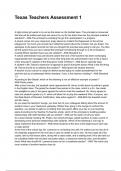
Many authors of the past have left a great wave of contraversy behind them. Today,
scholars attempt to read between the lines and decipher clues as to their authenticity, debating
their credibility. Objectivity is defined as the absence of bias, or “quality of being able to make a
decision or judgment in a fair way that is not influenced by personal feelings or beliefs” (Web 1).
Can we apply this present definition to the views of ancients? This is something that is deeply
questioned, and the many who claim to speak only the truth are often proven hypocryitical once
carefully scrutinized. However, the intent and reasoning behind each word written in archaic
times underwent a different sort of criteria, involving an acceptable and popular set of standards
that certainly would not apply to our current age. This essay explores whether or not ancient
writings claiming to be free from partiality can be equated to objectivity in the modern sense,
drawing on information found within the writings of T.J. Luce amongst others.
It is evident that in ancient history, historiography as a discipline served different purposes
than that of today. Although Herodotus may be considered the root of all modern
historiography, he evidently favoured the moral element behind his tales more so than the truth,
and played into his audience’s desire for entertainment. As time progressed, so did the discipline,
and by Tacitus’s time there were far more methods of investigation available. Today,
historiography operates under a restrictive set of standards, and the creative license, or “works of
the imagination”, that Woodman’s article refers to, do not apply (De Marre; 89). McCullagh
believes in four common causes of bias, namely failures in historical inference, in historical
CLS3701 !1
, description, in historical interpretation, and in historical explanation. He regards their occurance
by accident as an oversight in which case they would be incorrect. Only if the historian wanted
the outcome produced to further their interests would it be termed bias. Thus, “mistakes in
biased history are motivated, not accidental” (McCullagh; 40).
Luce touches on influences of “hope, fear, favoritism and hatred” and argues that ancient
historians took a “narrower and more particularized view” of the issue of impartiality and
objectivity (Luce; 18). This involves reasons whereby a historian may alter his relayance of events
due to prejudice (Luce; 16). He explains that whilst we speak of objectivity and impartiality today,
ancient writers had no specific vocabularly for such an idea and the meaning of “historical truth”
seemed obvious and was seldom addressed, with Polybius being the exception (Luce; 16). Tacitus
illustrated the issue of the truth being “doubly compromised”. Firstly, by the ignorane of
statecraft, now the preserve of one man, and secondly by the desire to write what those in power
wished to hear, or to express one’s hatred of them (Luce; 18). This highlights the predicament
many ancient authors faced. Criticism of leaders as well as overtly flattering them to the point of
superficiality were frowned upon, and there was a fine line between sticking to the truth and
keeping oneself devoid of punishment. Tacitus was critical of the state of historical prose in his
time which he considered free and dignified before emperors began to rule, violating freedom of
expression (De Marre; 75). This is precisely why so many authors of the past only published
works after the death of the rulers they spoke of, to avoid punishment. Perhaps that is why Virgil’s
The Aeneid appears to support Augustus upon first read, however after study it reveals an
undercurrent of dislike that many remained oblivious to (Web 2). The impact of the need to
please authorities is also evident in Pliny’s letter to Tacitus where he seems to assume that Tacitus
will elaborate upon his venture, and his liability to do so (De Marre; 89).
Interestingly, Luce explains that in ancient times, if one speaks of a character that had lived
generations prior to them, or that they were not affiliated nor had personal experience with, that
meant that they wrote from an unbiased persepective. Tacitus’ work, like others, often focused on
characters passed, or that he had received no special treatment or punishment from, which
allowed him to appear naturally unbias towards them at the time. This sense of distance could be
considered a blessing. Tacitus went on to claim that history that is not detached and impartial will
CLS3701 !2
Portfolio Assignment
Objectivity: past and present.
Many authors of the past have left a great wave of contraversy behind them. Today,
scholars attempt to read between the lines and decipher clues as to their authenticity, debating
their credibility. Objectivity is defined as the absence of bias, or “quality of being able to make a
decision or judgment in a fair way that is not influenced by personal feelings or beliefs” (Web 1).
Can we apply this present definition to the views of ancients? This is something that is deeply
questioned, and the many who claim to speak only the truth are often proven hypocryitical once
carefully scrutinized. However, the intent and reasoning behind each word written in archaic
times underwent a different sort of criteria, involving an acceptable and popular set of standards
that certainly would not apply to our current age. This essay explores whether or not ancient
writings claiming to be free from partiality can be equated to objectivity in the modern sense,
drawing on information found within the writings of T.J. Luce amongst others.
It is evident that in ancient history, historiography as a discipline served different purposes
than that of today. Although Herodotus may be considered the root of all modern
historiography, he evidently favoured the moral element behind his tales more so than the truth,
and played into his audience’s desire for entertainment. As time progressed, so did the discipline,
and by Tacitus’s time there were far more methods of investigation available. Today,
historiography operates under a restrictive set of standards, and the creative license, or “works of
the imagination”, that Woodman’s article refers to, do not apply (De Marre; 89). McCullagh
believes in four common causes of bias, namely failures in historical inference, in historical
CLS3701 !1
, description, in historical interpretation, and in historical explanation. He regards their occurance
by accident as an oversight in which case they would be incorrect. Only if the historian wanted
the outcome produced to further their interests would it be termed bias. Thus, “mistakes in
biased history are motivated, not accidental” (McCullagh; 40).
Luce touches on influences of “hope, fear, favoritism and hatred” and argues that ancient
historians took a “narrower and more particularized view” of the issue of impartiality and
objectivity (Luce; 18). This involves reasons whereby a historian may alter his relayance of events
due to prejudice (Luce; 16). He explains that whilst we speak of objectivity and impartiality today,
ancient writers had no specific vocabularly for such an idea and the meaning of “historical truth”
seemed obvious and was seldom addressed, with Polybius being the exception (Luce; 16). Tacitus
illustrated the issue of the truth being “doubly compromised”. Firstly, by the ignorane of
statecraft, now the preserve of one man, and secondly by the desire to write what those in power
wished to hear, or to express one’s hatred of them (Luce; 18). This highlights the predicament
many ancient authors faced. Criticism of leaders as well as overtly flattering them to the point of
superficiality were frowned upon, and there was a fine line between sticking to the truth and
keeping oneself devoid of punishment. Tacitus was critical of the state of historical prose in his
time which he considered free and dignified before emperors began to rule, violating freedom of
expression (De Marre; 75). This is precisely why so many authors of the past only published
works after the death of the rulers they spoke of, to avoid punishment. Perhaps that is why Virgil’s
The Aeneid appears to support Augustus upon first read, however after study it reveals an
undercurrent of dislike that many remained oblivious to (Web 2). The impact of the need to
please authorities is also evident in Pliny’s letter to Tacitus where he seems to assume that Tacitus
will elaborate upon his venture, and his liability to do so (De Marre; 89).
Interestingly, Luce explains that in ancient times, if one speaks of a character that had lived
generations prior to them, or that they were not affiliated nor had personal experience with, that
meant that they wrote from an unbiased persepective. Tacitus’ work, like others, often focused on
characters passed, or that he had received no special treatment or punishment from, which
allowed him to appear naturally unbias towards them at the time. This sense of distance could be
considered a blessing. Tacitus went on to claim that history that is not detached and impartial will
CLS3701 !2