ATI NURSING CARE OT THE CHILD RETAKE 2021 STUDY GUIDE
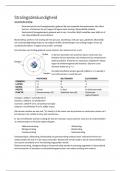
1. Hematological Disorders: Determining Priority Client A. Acute vs. chronic, urgent vs. nonurgent, stable vs. unstable -A client who has an acute problem takes priority over a client who has a chronic problem. -A client who has an urgent need takes priority over a client who has a nonurgent need. -A client who has unstable findings take priority over a client who has stable findings. B. Sickle Cell Anemia- Vaso-occlusive crisis (painful episode) -Acute (related to dehydration and decreased oxygen) -Severe pain, usually in bones, joints, and abdomen -Swollen joints, hands, and feet -Abdominal pain -Hematuria -Obstructive jaundice -Visual disturbances -Chronic -Increase risk of respiratory infections and osteomyelitis -Retinal detachment and blindness -Systolic murmurs -Renal failure and enuresis -Liver cirrhosis; hepatomegaly -Seizures -Skeletal deformities; shoulder or hip avascular necrosis 2. Pediatric Emergencies: Planning Interventions for Lead Exposure -Nursing Actions -Provide prevention measures to families -Routine screening for lead levels at 1, 2, and 3 years of age -Provide case management for children who have elevated lead levels -Make appropriate referrals (community nurse, teacher, early intervention) 3. Acute Neurological Disorders: Findings that Indicate Bacterial Meningitis -CSF analysis indicative of meningitis -Bacterial -Cloudy color -Elevated WBC count -Elevated protein content -Decreased glucose content -Positive Gram stain -Viral -Clear color -Slightly elevated WBC count -Normal or slightly elevated protein content -Normal glucose content -Negative Gram stain 4. Cardiovascular Disorders: Planning Care for a Child Who Has Heart Failure Nursing Care: -Remain calm when providing care -Keep the child well-hydrated -Conserve the child’s energy by providing frequent rest periods; clustering care; providing small, frequent meals; bathing PRN; and keeping crying to a minimum in cyanotic children -Perform daily weight and I&O to monitor fluid and nutritional status -Monitor heart rate, blood pressure, blood electrolytes, and kidney function to assess for complications -Provide support and resources for parents to promote developmental growth in the child -Monitor family coping and provide support -Administer prescribed medications -Maintain fluid and electrolyte balance -Decrease workload of the heart -Provide adequate nutrition -Increase tissue oxygenation 5. Asthma: Evaluating Understanding of Asthma Attack Prevention -Triggers to Asthma: -Allergens -Indoor: mold, cockroach antigen, dust, dust mites -Outdoor: grasses, pollen, trees, shrubs, molds, spores, air pollution, weeds -Irritants: Tobacco smoke, wood smoke, odors, sprays -Exercise -Cold air or changes in weather or temperature -Environmental change (new home or school) -Infections/viruses (colds) -Animal hair or dander -Medications: Aspirin, NSAIDs, antibiotics, beta blockers -Strong emotions: fear, anger, laughing, crying -Conditions: Gastroesophageal reflux, tracheoesophageal fistula -Food allergies or additives (sulfites) -Endocrine factors: menses, pregnancy, thyroid disease 6. Cardiovascular Disorders: Expected Findings for an Infant who has a Ventricular Septal Defect -Ventricular septal defect (VSD): a hole in the septum between right and left ventricle that results in increased pulmonary blood flow (left-to-right shunt) -Loud, harsh murmur auscultated at the left sternal border -Heart failure -Many VSDs close spontaneously early in life 7. Health Promotion of School-Age Children (6-12 Years): Teaching About Bicycle Safety 8. Burns: Teaching About Sunburn Prevention Injury Prevention: A. Bodily harm: -Keep firearms in locked cabinets or boxes -Identify safe play areas -Teach stranger safety to children -Teach children to wear helmets and/or pads when roller skating, skateboarding, bicycling, riding scooters, skiing, and snowboarding B. Burns -Teach fire safety and potential burn hazards -Keep working smoke detectors in the home -Children should use sunscreen when outside -Teach safety precautions for children to take while cooking C. Drowning -Children should be supervised when swimming or when near a body of water -Children should be taught to swim -Check depth of water before allowing children to dive -Encourage breaks to prevent children from becoming over-tired D. Motor-vehicle injuries -Children should use an approved car restraint system until they achieve the height of 4 feet, 9 inches -Teach children appropriate seat belt use when no longer using a car restraint system or booster seat -Safest area for children is the backseat of the car -Never let children ride in the bed of a pickup truck -Reinforce safe pedestrian behaviors E. Poisoning/substance misuse -Cleaners and chemicals should be kept in locked cabinets or out of reach of younger children -Children should be taught to say “no” to substance misuse ......................................................................................................CONTINUE
Escuela, estudio y materia
- Institución
- Chamberlain College Of Nursing
- Grado
- ATI NURSING CARE
Información del documento
- Subido en
- 17 de noviembre de 2022
- Número de páginas
- 6
- Escrito en
- 2022/2023
- Tipo
- Examen
- Contiene
- Preguntas y respuestas
Temas
-
visual disturbances
-
obstructive jaundice
-
hematuria