Summary Literature ‘Persuasion
in consumer communication for
sustainability’
, 1. Bakir, V., Herring, E., Miller, D., & Robinson, P.
(2019). Organized Persuasive Communication: A
new conceptual framework for research on public
relations, propaganda and promotional culture
Abstract
Organized persuasive communication has been studied extensively by scholars of public relations,
promotional culture and propaganda. There exists, however, considerable confusion and conceptual
limitations across these fields. To overcome these limitations, we propose a new conceptual
framework that theorizes precisely manipulative forms of persuasion, as well as demarcating what
might count as non-manipulative or consensual forms of persuasion. This framework advances PR
and propaganda scholarship by clarifying our understanding of manipulative and propagandistic
forms of organized persuasive communication and by providing a starting point for more fully
evaluating the role of deception, incentivization and coercion, within contemporary liberal
democracies.
Introduction
Organized persuasive communication (OPC) (including activities like advertising and marketing,
propaganda, information/ influence campaigns, psychological operations, strategic communication
and a whole host of other overlapping terms) is central to the exercise of power across all social
spheres. In the new internet-based media environment, new forms of persuasion and influence are
manifesting themselves. However, there exist considerable terminological confusion and significant
conceptual limitations across these fields. Across the 3 different fields, there is minimal conceptual
development with regard to manipulative modes of OPC involving deception, incentivization and
coercion. As a consequence, manipulative OPC within liberal democracies is a blind spot. In order
to move research in these fields forward, we resolve these problems through the development of a
new conceptual framework that theorizes precisely manipulative forms of OPC. The framework also
demarcates what counts as non-manipulative, or what we call consensual, forms of persuasion. Our
main focus in this article is on the manipulative and propagandistic modes of OPC, primarily because
it is these that have been paid the least attention across the literature (as we will show), but we do
also conceptualize non-manipulative OPC: we devise a continuum of OPC ranging from the most
consensual (dialogical communication) to the least consensual (deception, incentivization and
outright coercion). The framework is a significant conceptual advance. While some aspects of the
strategy of deception are well documented, other techniques by which it operates are poorly
understood. Meanwhile, strategies of incentivization and coercion are rarely addressed, thus
neglecting an important dimension of OPC. Most importantly, the conceptual framework provides a
starting point for scholars of PR, propaganda and promotional culture to explore more fully the
issue of manipulative and propagandistic OPC in contemporary democracies: in doing so, our
understanding of how power is exercised in society, across political, economic and military spheres
is advanced.
PR, Propaganda Studies and Promotional Culture: Failing to Get to
Grips with Deception, Incentivization and Coercion
We divide existing scholarship on OPC into three groups:
o PR (and related subfields). This includes the range of persuasive communication activities
captured in labels such as advertising and marketing, public relations, organizational
communication, influence/information operations, psychological operations and strategic
, communication. Scholars of PR argue that the OPC activities they study are largely non-
manipulative and non-propagandistic. Two reasons why PR scholarship tends to ignore
deception, incentivization and coercion and don’t study manipulative forms of OPC concern
(a) deliberate attempts to distance PR from propaganda and (b) a tendency among some to
conflate all persuasion with manipulation.
o Propaganda studies. Today, the term propaganda is usually associated with nefarious
communication and most current definitions include the notion of manipulation.
Where PR scholars see ‘two-way consensual communication’, propaganda scholars see
manipulative OPC. This field focuses largely on historical examples including the World Wars
wars and Cold War, or otherwise attends to propaganda in non-democratic states.
o Work under the heading of ‘promotional culture’. This pays rather more attention to
marketing, advertising and branding than the previous two areas. Because of its focus on
market processes, commercialization and ‘salesmanship’, it underplays the importance of the
state and its role in the opposite of ‘promotion’. As a result, manipulative and deceptive
practices, such as secrecy, misdirection and silence (which are frequently adopted by states)
are paid little attention.
Moving the Field Forward
Deception, incentivization and coercion are facts of the political, social and economic world, even in
democracies. They are recognizable in war, class conflict, political campaigning and many issues such
as manipulative OPC by the tobacco industry regarding smoking risks. However, these manipulative
forms of OPC are inadequately researched and conceptualized. In part this is because the majority
of scholarship on PR (and related fields) focuses on activities involving largely consensual persuasion
and not persuasion through deception, incentivization and coercion. The limited work there is,
focuses on the use of manipulative strategies by only subaltern groups in society. To move forward,
an essential first step is to fully define and conceptualize deceptive OPC and incentivizing and
coercive OPC in which persuasion operates through physical, socio-political and economic contexts as
well as via communication and discourse.
The Conceptual Framework
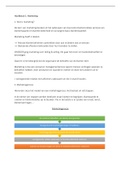
Drawing upon the concept of consent, the framework distinguishes OPC that is consensual and
therefore non-manipulative, from that which is non-consensual (propagandistic) and manipulates via
deception, incentivization and/or coercion. The boxes at the bottom of the figure present a
continuum of persuasion from left to right, ranging from consensual to coercive.
, Consensual Organized Persuasive Communication
Consensual OPC rests upon the idea of consent (informed and freely given agreement with
something). Consensual OPC must meet two requirements: first, absence of deception; and second,
absence of incentivization and coercion, therefore, consent is given freely.
(Habermas) Dialogical Consensual Communication: aimed at consensus/mutual
understanding whereby actors ‘seek to reach an understanding … in order to coordinate their
actions by way of agreement’. Habermas identifies four essential ideal speech conditions for
‘communicative action’ to occur: (i) no one capable of making a relevant contribution is
excluded, (ii) participants have equal voice, (iii) they are free to speak their honest opinion
without deception or self-deception, and (iv) there are no sources of coercion. As such,
‘communicative action’ does not involve one-way persuading others of one’s own views, but
rather two-way consensus building toward cooperative goals.
Strategic (One-Way) Consensual Persuasion. It is difficult to conceive how Habermas’ ideal
speech conditions necessary for dialogical consensual communication can easily and
routinely be realized in contemporary mass democracies: one-way teleological or strategic
attempts to persuade are seemingly unavoidable. However, ‘teleological action’ can be
consensual providing it is free from deception, incentivization and coercion. It is not as
consensual as dialogical consensual communication, but it has enough consensual elements
(i.e. it is free and informed). For example, anti-smoking campaigns are not deceptive
(smoking is harmful), and frequently involve both reasoned and emotional arguments
regarding smoking risks, so these campaigns can operate within the realm of strategic
consensual persuasion.
Non-Consensual Organized Persuasive Communication (Propaganda)
Deception. We define deceptive information management as persuasion via lying, distortion,
omission or misdirection. There may be other types, but these are the types found
frequently. Deceptive information management is non-consensual because it violates the
requirement of informed consent; the target of persuasion is unable to reach an informed
decision because of inadequate information. Moreover, the internet environment is
particularly vulnerable to deception strategies. For example during the US presidential
election campaign battle between Trump and Clinton, fake news stories, ranging from
in consumer communication for
sustainability’
, 1. Bakir, V., Herring, E., Miller, D., & Robinson, P.
(2019). Organized Persuasive Communication: A
new conceptual framework for research on public
relations, propaganda and promotional culture
Abstract
Organized persuasive communication has been studied extensively by scholars of public relations,
promotional culture and propaganda. There exists, however, considerable confusion and conceptual
limitations across these fields. To overcome these limitations, we propose a new conceptual
framework that theorizes precisely manipulative forms of persuasion, as well as demarcating what
might count as non-manipulative or consensual forms of persuasion. This framework advances PR
and propaganda scholarship by clarifying our understanding of manipulative and propagandistic
forms of organized persuasive communication and by providing a starting point for more fully
evaluating the role of deception, incentivization and coercion, within contemporary liberal
democracies.
Introduction
Organized persuasive communication (OPC) (including activities like advertising and marketing,
propaganda, information/ influence campaigns, psychological operations, strategic communication
and a whole host of other overlapping terms) is central to the exercise of power across all social
spheres. In the new internet-based media environment, new forms of persuasion and influence are
manifesting themselves. However, there exist considerable terminological confusion and significant
conceptual limitations across these fields. Across the 3 different fields, there is minimal conceptual
development with regard to manipulative modes of OPC involving deception, incentivization and
coercion. As a consequence, manipulative OPC within liberal democracies is a blind spot. In order
to move research in these fields forward, we resolve these problems through the development of a
new conceptual framework that theorizes precisely manipulative forms of OPC. The framework also
demarcates what counts as non-manipulative, or what we call consensual, forms of persuasion. Our
main focus in this article is on the manipulative and propagandistic modes of OPC, primarily because
it is these that have been paid the least attention across the literature (as we will show), but we do
also conceptualize non-manipulative OPC: we devise a continuum of OPC ranging from the most
consensual (dialogical communication) to the least consensual (deception, incentivization and
outright coercion). The framework is a significant conceptual advance. While some aspects of the
strategy of deception are well documented, other techniques by which it operates are poorly
understood. Meanwhile, strategies of incentivization and coercion are rarely addressed, thus
neglecting an important dimension of OPC. Most importantly, the conceptual framework provides a
starting point for scholars of PR, propaganda and promotional culture to explore more fully the
issue of manipulative and propagandistic OPC in contemporary democracies: in doing so, our
understanding of how power is exercised in society, across political, economic and military spheres
is advanced.
PR, Propaganda Studies and Promotional Culture: Failing to Get to
Grips with Deception, Incentivization and Coercion
We divide existing scholarship on OPC into three groups:
o PR (and related subfields). This includes the range of persuasive communication activities
captured in labels such as advertising and marketing, public relations, organizational
communication, influence/information operations, psychological operations and strategic
, communication. Scholars of PR argue that the OPC activities they study are largely non-
manipulative and non-propagandistic. Two reasons why PR scholarship tends to ignore
deception, incentivization and coercion and don’t study manipulative forms of OPC concern
(a) deliberate attempts to distance PR from propaganda and (b) a tendency among some to
conflate all persuasion with manipulation.
o Propaganda studies. Today, the term propaganda is usually associated with nefarious
communication and most current definitions include the notion of manipulation.
Where PR scholars see ‘two-way consensual communication’, propaganda scholars see
manipulative OPC. This field focuses largely on historical examples including the World Wars
wars and Cold War, or otherwise attends to propaganda in non-democratic states.
o Work under the heading of ‘promotional culture’. This pays rather more attention to
marketing, advertising and branding than the previous two areas. Because of its focus on
market processes, commercialization and ‘salesmanship’, it underplays the importance of the
state and its role in the opposite of ‘promotion’. As a result, manipulative and deceptive
practices, such as secrecy, misdirection and silence (which are frequently adopted by states)
are paid little attention.
Moving the Field Forward
Deception, incentivization and coercion are facts of the political, social and economic world, even in
democracies. They are recognizable in war, class conflict, political campaigning and many issues such
as manipulative OPC by the tobacco industry regarding smoking risks. However, these manipulative
forms of OPC are inadequately researched and conceptualized. In part this is because the majority
of scholarship on PR (and related fields) focuses on activities involving largely consensual persuasion
and not persuasion through deception, incentivization and coercion. The limited work there is,
focuses on the use of manipulative strategies by only subaltern groups in society. To move forward,
an essential first step is to fully define and conceptualize deceptive OPC and incentivizing and
coercive OPC in which persuasion operates through physical, socio-political and economic contexts as
well as via communication and discourse.
The Conceptual Framework
Drawing upon the concept of consent, the framework distinguishes OPC that is consensual and
therefore non-manipulative, from that which is non-consensual (propagandistic) and manipulates via
deception, incentivization and/or coercion. The boxes at the bottom of the figure present a
continuum of persuasion from left to right, ranging from consensual to coercive.
, Consensual Organized Persuasive Communication
Consensual OPC rests upon the idea of consent (informed and freely given agreement with
something). Consensual OPC must meet two requirements: first, absence of deception; and second,
absence of incentivization and coercion, therefore, consent is given freely.
(Habermas) Dialogical Consensual Communication: aimed at consensus/mutual
understanding whereby actors ‘seek to reach an understanding … in order to coordinate their
actions by way of agreement’. Habermas identifies four essential ideal speech conditions for
‘communicative action’ to occur: (i) no one capable of making a relevant contribution is
excluded, (ii) participants have equal voice, (iii) they are free to speak their honest opinion
without deception or self-deception, and (iv) there are no sources of coercion. As such,
‘communicative action’ does not involve one-way persuading others of one’s own views, but
rather two-way consensus building toward cooperative goals.
Strategic (One-Way) Consensual Persuasion. It is difficult to conceive how Habermas’ ideal
speech conditions necessary for dialogical consensual communication can easily and
routinely be realized in contemporary mass democracies: one-way teleological or strategic
attempts to persuade are seemingly unavoidable. However, ‘teleological action’ can be
consensual providing it is free from deception, incentivization and coercion. It is not as
consensual as dialogical consensual communication, but it has enough consensual elements
(i.e. it is free and informed). For example, anti-smoking campaigns are not deceptive
(smoking is harmful), and frequently involve both reasoned and emotional arguments
regarding smoking risks, so these campaigns can operate within the realm of strategic
consensual persuasion.
Non-Consensual Organized Persuasive Communication (Propaganda)
Deception. We define deceptive information management as persuasion via lying, distortion,
omission or misdirection. There may be other types, but these are the types found
frequently. Deceptive information management is non-consensual because it violates the
requirement of informed consent; the target of persuasion is unable to reach an informed
decision because of inadequate information. Moreover, the internet environment is
particularly vulnerable to deception strategies. For example during the US presidential
election campaign battle between Trump and Clinton, fake news stories, ranging from