WEEK 1
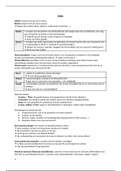
ARTICLE 1 – HEALTH OUTCOMES OF BEREAVEMENT
Bereavement = the situation of having recently lost a significant person through death
Normal, natural human experience which becomes part of nearly everyone’s experience
Period of intense risk of developing mental and physical health problems
Grief defined as main emotional reaction to bereavement, incorporating diverse psychological and physical reactions
OVERALL PATTERN:
Studies of spousal bereavement have indicated an early excess risk of mortality & some researchers also noted risks
persisting for longer than 6 months after bereavement
SUBGROUP DIFFERENCES:
Skin color Greater risk of bereavement-related mortality in white
people than in black people
Sex differences Widowers at more excessive risk of mortality than widows
Pattern can vary across type of loss (e.g. death of
child has greater effect on mothers than fathers)
Age differences Greater mortality risk for younger than for older bereaved
people who lost spouse
Effect more pronounced for widowers
CAUSES OF DEATH & DURATION OF BEREAVEMENT
Cause is differentially related to the duration of bereavement
Mortality in widowed is highest in the early month & decreases
with increasing duration
Highest for accidental, violent and alcohol-related causes
Moderate for chronic ischemic hearth disease & lung cancer
Small for other causes of death
Highest when death by suicide
mortality of bereavement is attributable in large part to a so-called
broken heart (ie, psychological distress due to the loss, such as
loneliness and secondary consequences of the loss, such as changes in
social ties, living arrangements, eating habits and economic support)
PHYSICAL HEALTH
physical symptoms, high rates of disability & illness, greater use
of medical services & drug use
odds of new or worsened illness 1x40 times higher in bereaved
people
higher medication use
more likely to report having current strong pain
bereavement associated with weight loss
by 6 months, most of these differences had declined
PSYCHOLOGICAL SYMPTOMS
most intense in early bereavement
, differences in cultural patterns attributable to religious beliefs & health care systems
however, fundamental manifestation of grief is universal
reaction vary in nature & intensity according to the type of lost relationship
task model four tasks of grieving used to guide counselling and therapy
1. accepting reality of loss
2. experiencing the pain of grief
3. adjusting the environment without the deceased
4. relocating the deceased emotionally & moving on
RESILIENCE VERSUS VULNERABILITY
bereaved people become resilient over time
thus: MDD excludes people bereaved for less than 2 months
PSYCHIATRIC DISORDERS
20-45% have mild level of depressive symptoms
10-20% have clinical levels of depressive symptoms
When loss of life has been massive 27% of mothers and 12% of fathers meet criteria for PTSD 5 years afterwards
COMPLICATED GRIEF
= deviation from normal grief experience in either time course, intensity or
both, entailing a chronic and more intense emotional experience or and
inhibited response, which either lacks the usually symptoms or in which
onset of symptoms is delayed includes separation distress & traumatic
distress
since most parents meet the criteria the questions raises whether this
cut-off point is a good marker of chronic grief or whether norm scores for
parents need to be reset
ADDITIONAL MEDICAL IMPLICATIONS
Impaired memory & performance
Nutritional problems
Work & relationship difficulties
Difficulties concentrating
Decreases in social participation
May have underlying physiological mechanisms
RISK FACTORS
Situation & circumstances of Causes of death
death Circumstances surrounding death or place of death
Pre-bereavement caregiver strain
Types of lost relationship
Ongoing conflicts, concurrent work & legal difficulties, poverty or
economic decline
Intrapersonal risk or protective Personality or attachment style
factors Predisposing factors or previous bereavements
Religious beliefs & other meaning systems
Sociodemographic variables
Interpersonal or non-personal Social support, cultural setting
resource & protective factors Economic resources
Professional intervention
Coping styles, strategies, Grief work, appraisal process
processes Emotion regulation
,Treatment
1. Primary preventive interventions
Professional help is available to all bereaved individuals irrespective of whether intervention is indicated
2. Secondary preventive intervention
Designed for bereaved individuals who through screening or assessment, can be regarded as more
vulnerable to the risks of bereavement
3. Tertiary preventive interventions
Providing therapy for complicated grief, grief-related depression, or post-traumatic disorders
LECTURE – DEATH AND GRIEF: SOCIETAL & SCIENTIFIC POSITIONING
Grief is an inidivual process not everyone goes through all stages in a specific order
Grief task model:
= grief is about doing work. You need to do certain tasks if you want to continue with your life
1. Accepting the reality of the loss
2. Allowing yourself to experience the emotions
3. Adjusting to life without the deceased
4. Relocating the deceased emotionally & move on
Grief = the primary emotional reaction to the death of a significant other. It is a complex emotional syndrome accompanied
by physical changes and physical symptoms. In addition, it involves a wide range of possible cognitive and behavioral
reactions
DIMENSIONS OF GRIEF:
Emotional:
Sorrow, loneliness, numbness, anxiety, guilt, aggression, helplessness, pessimism, relief etc.)
Cognitive
Loss of concentration, lowered self-esteem, confusion, intrusive images, preoccupation with the
deceased, hopelessness etc.)
Physical
Sleep-related problems, decreased appetite, stress, headaches, tension, low energy, similar symptoms
to the deceased etc.)
Behavioral
Agitated, withdrawn, seeking behavior, avoidance etc.)
MAJOR DETERMINANTS:
1. Background of bereaved person: gender, age, personality, attachment, health, history etc.
2. Characteristics of death: sudden, unexpected, premature death, traumatic circumstances
3. Characteristics of the deceased: kinship, relationship, quality of the relationship with the deceased
4. Situation after loss: lack of support, secondary losses, ways of coping etc.
BACKGROUND (Mortality ration of widows and widowers compared to similar groups of married couples)
Higher risk of death if you lost your partner
Higher risk in the early age groups
, Man are at higher risk of death after loss than women
Why are men at higher risk of dying after partner loss?
Differences in social support (men have
fewer friends)
Differences in coping strategies (men are
more problem focused & women are more
emotion focused)
Differences in types of bereavement
(marriage if different for men and women)
RELIGION
Life philosophy (conflicting result losing child often results in
losing religion)
CHARACTERISTICS OF DEATH
1. Cause of death: natural, accident, suicide and homicide
Sudden, untimely, intentional, painful, violent = greater risk
2. Who is deceased?
Kinship (parent, partner, child etc.)
Nature of relationship (how often you saw each other etc)
Quality of the relationship
UNACKNOWLEDGED LOSSES OR “DISENFRANCHISED GRIEF”
Ex-partners
In the past: miscarriage, perinatal death etc.
In some circles: homosexual relationships
Extramarital affairs
AFTER THE LOSS
Coping
Social support
Secondary losses
Multiple bereavements
Family dynamics
Material resources (change in income, housing etc)
Etc
CONCLUSION:
ARTICLE 1 – HEALTH OUTCOMES OF BEREAVEMENT
Bereavement = the situation of having recently lost a significant person through death
Normal, natural human experience which becomes part of nearly everyone’s experience
Period of intense risk of developing mental and physical health problems
Grief defined as main emotional reaction to bereavement, incorporating diverse psychological and physical reactions
OVERALL PATTERN:
Studies of spousal bereavement have indicated an early excess risk of mortality & some researchers also noted risks
persisting for longer than 6 months after bereavement
SUBGROUP DIFFERENCES:
Skin color Greater risk of bereavement-related mortality in white
people than in black people
Sex differences Widowers at more excessive risk of mortality than widows
Pattern can vary across type of loss (e.g. death of
child has greater effect on mothers than fathers)
Age differences Greater mortality risk for younger than for older bereaved
people who lost spouse
Effect more pronounced for widowers
CAUSES OF DEATH & DURATION OF BEREAVEMENT
Cause is differentially related to the duration of bereavement
Mortality in widowed is highest in the early month & decreases
with increasing duration
Highest for accidental, violent and alcohol-related causes
Moderate for chronic ischemic hearth disease & lung cancer
Small for other causes of death
Highest when death by suicide
mortality of bereavement is attributable in large part to a so-called
broken heart (ie, psychological distress due to the loss, such as
loneliness and secondary consequences of the loss, such as changes in
social ties, living arrangements, eating habits and economic support)
PHYSICAL HEALTH
physical symptoms, high rates of disability & illness, greater use
of medical services & drug use
odds of new or worsened illness 1x40 times higher in bereaved
people
higher medication use
more likely to report having current strong pain
bereavement associated with weight loss
by 6 months, most of these differences had declined
PSYCHOLOGICAL SYMPTOMS
most intense in early bereavement
, differences in cultural patterns attributable to religious beliefs & health care systems
however, fundamental manifestation of grief is universal
reaction vary in nature & intensity according to the type of lost relationship
task model four tasks of grieving used to guide counselling and therapy
1. accepting reality of loss
2. experiencing the pain of grief
3. adjusting the environment without the deceased
4. relocating the deceased emotionally & moving on
RESILIENCE VERSUS VULNERABILITY
bereaved people become resilient over time
thus: MDD excludes people bereaved for less than 2 months
PSYCHIATRIC DISORDERS
20-45% have mild level of depressive symptoms
10-20% have clinical levels of depressive symptoms
When loss of life has been massive 27% of mothers and 12% of fathers meet criteria for PTSD 5 years afterwards
COMPLICATED GRIEF
= deviation from normal grief experience in either time course, intensity or
both, entailing a chronic and more intense emotional experience or and
inhibited response, which either lacks the usually symptoms or in which
onset of symptoms is delayed includes separation distress & traumatic
distress
since most parents meet the criteria the questions raises whether this
cut-off point is a good marker of chronic grief or whether norm scores for
parents need to be reset
ADDITIONAL MEDICAL IMPLICATIONS
Impaired memory & performance
Nutritional problems
Work & relationship difficulties
Difficulties concentrating
Decreases in social participation
May have underlying physiological mechanisms
RISK FACTORS
Situation & circumstances of Causes of death
death Circumstances surrounding death or place of death
Pre-bereavement caregiver strain
Types of lost relationship
Ongoing conflicts, concurrent work & legal difficulties, poverty or
economic decline
Intrapersonal risk or protective Personality or attachment style
factors Predisposing factors or previous bereavements
Religious beliefs & other meaning systems
Sociodemographic variables
Interpersonal or non-personal Social support, cultural setting
resource & protective factors Economic resources
Professional intervention
Coping styles, strategies, Grief work, appraisal process
processes Emotion regulation
,Treatment
1. Primary preventive interventions
Professional help is available to all bereaved individuals irrespective of whether intervention is indicated
2. Secondary preventive intervention
Designed for bereaved individuals who through screening or assessment, can be regarded as more
vulnerable to the risks of bereavement
3. Tertiary preventive interventions
Providing therapy for complicated grief, grief-related depression, or post-traumatic disorders
LECTURE – DEATH AND GRIEF: SOCIETAL & SCIENTIFIC POSITIONING
Grief is an inidivual process not everyone goes through all stages in a specific order
Grief task model:
= grief is about doing work. You need to do certain tasks if you want to continue with your life
1. Accepting the reality of the loss
2. Allowing yourself to experience the emotions
3. Adjusting to life without the deceased
4. Relocating the deceased emotionally & move on
Grief = the primary emotional reaction to the death of a significant other. It is a complex emotional syndrome accompanied
by physical changes and physical symptoms. In addition, it involves a wide range of possible cognitive and behavioral
reactions
DIMENSIONS OF GRIEF:
Emotional:
Sorrow, loneliness, numbness, anxiety, guilt, aggression, helplessness, pessimism, relief etc.)
Cognitive
Loss of concentration, lowered self-esteem, confusion, intrusive images, preoccupation with the
deceased, hopelessness etc.)
Physical
Sleep-related problems, decreased appetite, stress, headaches, tension, low energy, similar symptoms
to the deceased etc.)
Behavioral
Agitated, withdrawn, seeking behavior, avoidance etc.)
MAJOR DETERMINANTS:
1. Background of bereaved person: gender, age, personality, attachment, health, history etc.
2. Characteristics of death: sudden, unexpected, premature death, traumatic circumstances
3. Characteristics of the deceased: kinship, relationship, quality of the relationship with the deceased
4. Situation after loss: lack of support, secondary losses, ways of coping etc.
BACKGROUND (Mortality ration of widows and widowers compared to similar groups of married couples)
Higher risk of death if you lost your partner
Higher risk in the early age groups
, Man are at higher risk of death after loss than women
Why are men at higher risk of dying after partner loss?
Differences in social support (men have
fewer friends)
Differences in coping strategies (men are
more problem focused & women are more
emotion focused)
Differences in types of bereavement
(marriage if different for men and women)
RELIGION
Life philosophy (conflicting result losing child often results in
losing religion)
CHARACTERISTICS OF DEATH
1. Cause of death: natural, accident, suicide and homicide
Sudden, untimely, intentional, painful, violent = greater risk
2. Who is deceased?
Kinship (parent, partner, child etc.)
Nature of relationship (how often you saw each other etc)
Quality of the relationship
UNACKNOWLEDGED LOSSES OR “DISENFRANCHISED GRIEF”
Ex-partners
In the past: miscarriage, perinatal death etc.
In some circles: homosexual relationships
Extramarital affairs
AFTER THE LOSS
Coping
Social support
Secondary losses
Multiple bereavements
Family dynamics
Material resources (change in income, housing etc)
Etc
CONCLUSION: