Engels
–
boek
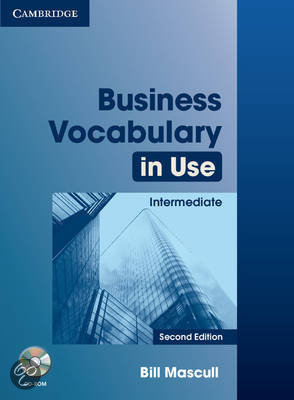
‘Business
vocabulary
in
use’
–
unit
1
t/m
34
Unit
1
–
work
and
jobs
A
full-‐time
job
full-‐time
baan
a
job
for
the
whole
of
the
normal
working
week
A
part-‐time
job
part-‐time
baan
a
job
for
less
time
than
a
full-‐time
job
àSomeone
works
part-‐time
or
full-‐time.
A
permanent
job
een
vaste
baan
a
job
wich
doesn’t
finish
after
a
fixed
period
A
temporary
job
tijdelijke
baan
a
job
wich
finishes
after
a
fixed
period
à
you
talk
about
temporary
work
and
permanent
work
To
find
out
what
someone’s
job
is
à
‘what
do
you
do?’
Zinnen
met
work:
-‐ I
work
for
a
large
European
car
maker.
(voor
wie
werk
je?)
-‐ I
work
on
car
designs.
(welk
werk
doe
je?
Inhoudelijk)
-‐ I
work
with
managers
-‐ I
run
a
department
and
manage
a
team
of
designers.
-‐ 20
people
work
under
me.
-‐ I’m
in
charge
of…
-‐ I
deal
with
-‐ I’m
responsible
for
/
my
main
responsibilities
are
/
my
responsibility
is
‘I’m
not
often
off
work
–
away
from
work
due
to
illness
People
in
work
–
have
a
job
People
out
of
work
–
without
a
job
Unit
2
–
ways
of
working
Officeworker
–
kantoormedewerker
To
clock
on/in
&
to
clock
off/out
–
in
en
uit-‐klokken,
zodat
het
bedrijf
je
uren
registreert.
Ø To
work
with
a
system
of
flexitime(UK)/flextime
(USA)
=
employees
can
work
when
they
want,
within
certain
limits.
For
example,
they
can
start
at
any
time
until
11,
and
finish
as
early
as
3
–
as
long
as
they
make
enough
hours
each
month.
Ø To
work
in
shifts
=
like
day
and
night
shifts,
you
can
change
shifts
each
week.
It’s
a
system
where
employees
are
separated
into
2
groups,
and
each
group
has
their
own
work
schedule.
Ø To
work
overtime
=
to
work
more
hours
than
usual
for
more
money
Ø To
commute
to
work
=to
travel
back
and
forth
between
home
and
work,
for
example
when
you
work
in
London
but
live
in
the
country
side.
Ø Teleworking
or
telecommuting
=
working
from
home
using
a
computer
and
the
internet.
Words
to
describe
your
opinion
on
your
work:
-‐ Satisfying,
stimulating,
fascinating,
exciting
–
the
work
is
interesting
and
gives
you
positive
feelings.
-‐ Dull,
boring,
uninteresting,
unstimulating
–
the
work
is
not
interesting.
-‐ Repetitive,
routine-‐
the
work
involves
doing
the
same
things
again
and
again.
-‐ Tiring,
tough,
hard,
demanding
–
the
work
is
difficult
and
makes
you
tired.
Nature
of
work:
è My
work
involves
+noun:
human
contact,
long
hours,
teamwork
è I
like
/
dislike
/
prefer
/
enjoy
+-‐ing:
working
with
figures,
dealing
with
customers,
solving
problems.
Unit
3
–
recruitment
and
selection
Hiring/recruitment
=
de
process
of
finding
people
for
particular
jobs
,A
recruit/hire
=
someone
who
has
been
recruited
Headhunters
=
specialists
who
are
used
to
find
people
for
very
important
jobs
and
to
persuade
them
to
leave
the
organizations
they
already
work
for.
Key
people
recruited
like
this
are
headhunted
in
a
process
of
headhunting.
Situations
vacant
=
pages
of
a
local
newspaper
where
companies
advertise
for
jobs
To
apply
for
=
To
contact
the
company
to
say
that
you
would
want
to
work
for
them
CV
(curriculum
vitae)
=
a
paper
with
a
summary
of
your
life,
your
education
and
achievements
Cover
letter
=
A
letter
that
you
send
with
your
CV
to
the
company
where
you
want
to
Apply
for
a
job,
explaining
why
you
want
the
job
and
why
you
are
the
right
person
for
it.
Selection
process
=
the
methods
that
the
company
uses
to
recruit
people
Background
=
the
experience
of
different
jobs
and
their
education
Applicants
=
All
the
people
who
have
applied
for
the
job.
Candidates
=
Possible
new
employees
who
have
applied
for
the
job
Interviews
=
A
set
of
questions
the
you
ask
to
another
person
to
get
information
Shortlist
=
To
decide
which
few
candidates
are
good
enough
for
the
position
References/referees
=
Former
companies
where
the
candidate
had
worked
who
give
their
opinion
on
the
candidates
work
To
offer
=
to
propose
a
contract
to
one
candidate
to
give
him
the
job
Turn
it
down
=
when
the
candidate
rejects
the
offer
Appoint
=
to
choose
someone
to
do
a
particular
job
or
have
a
particular
position
Unit
4
Graduates
=
people
who
have
just
left
university
Paper
qualifications
=
academic
qualifications
Degree
=
a
course
of
study
at
a
university,
or
the
qualification
that
you
get
after
completing
the
course
training
=
the
process
of
training
someone
for
a
profession
or
activity
to
qualify
as
=
to
become
a
member
of
a
particular
profession
after
a
period
of
training
or
study
acquire
=
to
obtain
something,
or
get
knew
knowledge
or
skills
by
learning
in-‐house
training
=
training
happening
inside
a
company
or
organization
skilled
=
having
the
ability
and
experience
to
do
something
well
methodical,
systematic,
organized:
working
in
a
planned,
orderly
way
computer-‐literate:
good
with
computers
numerate:
good
with
numbers
motivated:
very
keen
to
do
well
in
their
job
because
they
find
it
interesting
talented:
very
good
at
what
they
do
self-‐starters:
someone
who
is
intelligent
and
confident
enough
to
do
a
job
without
regular
help
and
advice
from
other
people
team
players:
people
who
work
well
with
other
people
Unit
5
Salary
=
a
fixed
amount
of
money
that
you
earn
each
month
or
year
from
your
job
Overtime
=
to
work
(a
lot)
of
extra
hours
Perks
=
an
extra
payment
or
benefit
that
you
get
in
your
job
Wages
=
an
amount
of
money
that
you
earn
for
working,
usually
according
to
how
many
hours
or
days
you
work
each
week
or
month
Minimum
wages=
the
lowest
amount
of
payment
allowed
by
law
Tips
=
money
that
customers
leave
in
addition
to
the
bill
Earn
=
to
receive
money
from
the
work
that
you
do
Commission
=
a
percentage
on
everything
I
sell
, Bonus
=
extra
money
that
you
are
paid
in
addition
to
your
salary
Health
plan
=
to
pay
the
costs
of
medical
treatment
if
an
employee
gets
ill
Pension
=
money
that
you’ll
get
regularly
after
you
stop
working
Fringe
benefits
=
Something
you
get
in
addition
to
your
salary,
like
a
car
Benefits
package
=
a
package
of
all
your
fringe
benefits
Working
conditions
=
the
environment
and
conditions
the
employees
have
to
work
in
Remuneration/compensation
=
payment
or
other
rewards
you
get
for
your
work
Share
options/stock
options
=
an
arrangement
by
which
a
worker
can
buy
shares
in
the
company
they
work
for
at
a
good
price
Boardroom
=
a
large
room
where
the
directors
of
a
company
or
other
organization
hold
formal
meetings,
usually
with
one
large
table
around
which
everyone
sits
Severance
payment
=
a
situation
in
which
money
is
paid
to
a
worker
who
is
forced
to
leave
a
company
because
they
are
no
longer
needed
Fat
cats
=
executives
with
very
high
pay
and
benefits
Unit
6
Management
=
those
leading
and
organizing
the
company
Employees/staff/workers/Workforce
or
personnel
=
the
people
who
work
for
a
company
Payroll
=
a
list
of
all
the
people
that
a
company
employs
and
the
money
that
each
of
them
earns
Headquarters
(HQ)
=
a
place
where
a
company
has
its
main
offices
Offices
=
room
where
employees
work
Open-‐plan
offices
=
large
areas
where
many
people
work
Administration
=
the
ordinary
work
supporting
a
company’s
activities
Technical
support
=
staff
who
are
giving
technical
help
to
buyers
of
the
products
Labour
=
everyone
except
the
management
who
work
for
a
company.
Labour
unions
=
defend
the
interest
of
workers.
Labour
costs
=
what
companies
have
to
pay
for
labour,
rather
than
materials
Labour
dispute
=
a
disagreement
between
management
and
labour
Labour
leader
=
someone
in
charge
of
an
organization
that
represents
workers
Labour
relations
=
the
relationship
between
management
and
employees
Labour
shortage
=
a
period
when
there
are
not
enough
people
available
to
work
Labour
unrest
=
a
period
of
disagreement
between
management
and
employees
Industrial
action
=
when
workers
are
not
happy
with
pay
or
conditions
they
take
action
strike/stoppage/walk-‐out
=
workers
stop
working
for
a
time
on
purpose
go-‐slow
=
workers
continue
to
work,
but
more
slowly
than
usual
overtime
ban
=
workers
refuse
to
work
more
than
the
normal
number
of
hours
human
resource
=
the
personnel
department,
that
deals
with
pay,
recruitment
etc.
Unit
7
Retirement
=
when
people
are
at
the
age
where
they
end
their
working
life
Career
paths
=
different
ways
you
could
go
in
your
career
Promotion
=
to
move
to
a
higher
level
in
the
company
to
work
her
way
up
the
career
ladder
=
that
you
get
promotion
Senior
=
more
important
with
greater
responsibility
Demoted
=
moved
to
a
less
senior
job
Resign/hand
in
your
notice
=
to
leave
the
company
Restructured
=
to
organize
the
company
in
a
different
way
so
it
will
operate
better
Flatter
=
with
fewer
layers
of
management
Leaner
=
with
fewer,
more
productive
employees
Company
hierarchy
=
the
way
the
company
is
organised
according
to
the
status
of
the
employees
Downsized
=
to
make
a
company
or
organization
smaller
by
reducing
the
number
of
workers
Delayered
=
a
reduction
in
the
number
of
levels
of
management
within
an
organization
–
boek
‘Business
vocabulary
in
use’
–
unit
1
t/m
34
Unit
1
–
work
and
jobs
A
full-‐time
job
full-‐time
baan
a
job
for
the
whole
of
the
normal
working
week
A
part-‐time
job
part-‐time
baan
a
job
for
less
time
than
a
full-‐time
job
àSomeone
works
part-‐time
or
full-‐time.
A
permanent
job
een
vaste
baan
a
job
wich
doesn’t
finish
after
a
fixed
period
A
temporary
job
tijdelijke
baan
a
job
wich
finishes
after
a
fixed
period
à
you
talk
about
temporary
work
and
permanent
work
To
find
out
what
someone’s
job
is
à
‘what
do
you
do?’
Zinnen
met
work:
-‐ I
work
for
a
large
European
car
maker.
(voor
wie
werk
je?)
-‐ I
work
on
car
designs.
(welk
werk
doe
je?
Inhoudelijk)
-‐ I
work
with
managers
-‐ I
run
a
department
and
manage
a
team
of
designers.
-‐ 20
people
work
under
me.
-‐ I’m
in
charge
of…
-‐ I
deal
with
-‐ I’m
responsible
for
/
my
main
responsibilities
are
/
my
responsibility
is
‘I’m
not
often
off
work
–
away
from
work
due
to
illness
People
in
work
–
have
a
job
People
out
of
work
–
without
a
job
Unit
2
–
ways
of
working
Officeworker
–
kantoormedewerker
To
clock
on/in
&
to
clock
off/out
–
in
en
uit-‐klokken,
zodat
het
bedrijf
je
uren
registreert.
Ø To
work
with
a
system
of
flexitime(UK)/flextime
(USA)
=
employees
can
work
when
they
want,
within
certain
limits.
For
example,
they
can
start
at
any
time
until
11,
and
finish
as
early
as
3
–
as
long
as
they
make
enough
hours
each
month.
Ø To
work
in
shifts
=
like
day
and
night
shifts,
you
can
change
shifts
each
week.
It’s
a
system
where
employees
are
separated
into
2
groups,
and
each
group
has
their
own
work
schedule.
Ø To
work
overtime
=
to
work
more
hours
than
usual
for
more
money
Ø To
commute
to
work
=to
travel
back
and
forth
between
home
and
work,
for
example
when
you
work
in
London
but
live
in
the
country
side.
Ø Teleworking
or
telecommuting
=
working
from
home
using
a
computer
and
the
internet.
Words
to
describe
your
opinion
on
your
work:
-‐ Satisfying,
stimulating,
fascinating,
exciting
–
the
work
is
interesting
and
gives
you
positive
feelings.
-‐ Dull,
boring,
uninteresting,
unstimulating
–
the
work
is
not
interesting.
-‐ Repetitive,
routine-‐
the
work
involves
doing
the
same
things
again
and
again.
-‐ Tiring,
tough,
hard,
demanding
–
the
work
is
difficult
and
makes
you
tired.
Nature
of
work:
è My
work
involves
+noun:
human
contact,
long
hours,
teamwork
è I
like
/
dislike
/
prefer
/
enjoy
+-‐ing:
working
with
figures,
dealing
with
customers,
solving
problems.
Unit
3
–
recruitment
and
selection
Hiring/recruitment
=
de
process
of
finding
people
for
particular
jobs
,A
recruit/hire
=
someone
who
has
been
recruited
Headhunters
=
specialists
who
are
used
to
find
people
for
very
important
jobs
and
to
persuade
them
to
leave
the
organizations
they
already
work
for.
Key
people
recruited
like
this
are
headhunted
in
a
process
of
headhunting.
Situations
vacant
=
pages
of
a
local
newspaper
where
companies
advertise
for
jobs
To
apply
for
=
To
contact
the
company
to
say
that
you
would
want
to
work
for
them
CV
(curriculum
vitae)
=
a
paper
with
a
summary
of
your
life,
your
education
and
achievements
Cover
letter
=
A
letter
that
you
send
with
your
CV
to
the
company
where
you
want
to
Apply
for
a
job,
explaining
why
you
want
the
job
and
why
you
are
the
right
person
for
it.
Selection
process
=
the
methods
that
the
company
uses
to
recruit
people
Background
=
the
experience
of
different
jobs
and
their
education
Applicants
=
All
the
people
who
have
applied
for
the
job.
Candidates
=
Possible
new
employees
who
have
applied
for
the
job
Interviews
=
A
set
of
questions
the
you
ask
to
another
person
to
get
information
Shortlist
=
To
decide
which
few
candidates
are
good
enough
for
the
position
References/referees
=
Former
companies
where
the
candidate
had
worked
who
give
their
opinion
on
the
candidates
work
To
offer
=
to
propose
a
contract
to
one
candidate
to
give
him
the
job
Turn
it
down
=
when
the
candidate
rejects
the
offer
Appoint
=
to
choose
someone
to
do
a
particular
job
or
have
a
particular
position
Unit
4
Graduates
=
people
who
have
just
left
university
Paper
qualifications
=
academic
qualifications
Degree
=
a
course
of
study
at
a
university,
or
the
qualification
that
you
get
after
completing
the
course
training
=
the
process
of
training
someone
for
a
profession
or
activity
to
qualify
as
=
to
become
a
member
of
a
particular
profession
after
a
period
of
training
or
study
acquire
=
to
obtain
something,
or
get
knew
knowledge
or
skills
by
learning
in-‐house
training
=
training
happening
inside
a
company
or
organization
skilled
=
having
the
ability
and
experience
to
do
something
well
methodical,
systematic,
organized:
working
in
a
planned,
orderly
way
computer-‐literate:
good
with
computers
numerate:
good
with
numbers
motivated:
very
keen
to
do
well
in
their
job
because
they
find
it
interesting
talented:
very
good
at
what
they
do
self-‐starters:
someone
who
is
intelligent
and
confident
enough
to
do
a
job
without
regular
help
and
advice
from
other
people
team
players:
people
who
work
well
with
other
people
Unit
5
Salary
=
a
fixed
amount
of
money
that
you
earn
each
month
or
year
from
your
job
Overtime
=
to
work
(a
lot)
of
extra
hours
Perks
=
an
extra
payment
or
benefit
that
you
get
in
your
job
Wages
=
an
amount
of
money
that
you
earn
for
working,
usually
according
to
how
many
hours
or
days
you
work
each
week
or
month
Minimum
wages=
the
lowest
amount
of
payment
allowed
by
law
Tips
=
money
that
customers
leave
in
addition
to
the
bill
Earn
=
to
receive
money
from
the
work
that
you
do
Commission
=
a
percentage
on
everything
I
sell
, Bonus
=
extra
money
that
you
are
paid
in
addition
to
your
salary
Health
plan
=
to
pay
the
costs
of
medical
treatment
if
an
employee
gets
ill
Pension
=
money
that
you’ll
get
regularly
after
you
stop
working
Fringe
benefits
=
Something
you
get
in
addition
to
your
salary,
like
a
car
Benefits
package
=
a
package
of
all
your
fringe
benefits
Working
conditions
=
the
environment
and
conditions
the
employees
have
to
work
in
Remuneration/compensation
=
payment
or
other
rewards
you
get
for
your
work
Share
options/stock
options
=
an
arrangement
by
which
a
worker
can
buy
shares
in
the
company
they
work
for
at
a
good
price
Boardroom
=
a
large
room
where
the
directors
of
a
company
or
other
organization
hold
formal
meetings,
usually
with
one
large
table
around
which
everyone
sits
Severance
payment
=
a
situation
in
which
money
is
paid
to
a
worker
who
is
forced
to
leave
a
company
because
they
are
no
longer
needed
Fat
cats
=
executives
with
very
high
pay
and
benefits
Unit
6
Management
=
those
leading
and
organizing
the
company
Employees/staff/workers/Workforce
or
personnel
=
the
people
who
work
for
a
company
Payroll
=
a
list
of
all
the
people
that
a
company
employs
and
the
money
that
each
of
them
earns
Headquarters
(HQ)
=
a
place
where
a
company
has
its
main
offices
Offices
=
room
where
employees
work
Open-‐plan
offices
=
large
areas
where
many
people
work
Administration
=
the
ordinary
work
supporting
a
company’s
activities
Technical
support
=
staff
who
are
giving
technical
help
to
buyers
of
the
products
Labour
=
everyone
except
the
management
who
work
for
a
company.
Labour
unions
=
defend
the
interest
of
workers.
Labour
costs
=
what
companies
have
to
pay
for
labour,
rather
than
materials
Labour
dispute
=
a
disagreement
between
management
and
labour
Labour
leader
=
someone
in
charge
of
an
organization
that
represents
workers
Labour
relations
=
the
relationship
between
management
and
employees
Labour
shortage
=
a
period
when
there
are
not
enough
people
available
to
work
Labour
unrest
=
a
period
of
disagreement
between
management
and
employees
Industrial
action
=
when
workers
are
not
happy
with
pay
or
conditions
they
take
action
strike/stoppage/walk-‐out
=
workers
stop
working
for
a
time
on
purpose
go-‐slow
=
workers
continue
to
work,
but
more
slowly
than
usual
overtime
ban
=
workers
refuse
to
work
more
than
the
normal
number
of
hours
human
resource
=
the
personnel
department,
that
deals
with
pay,
recruitment
etc.
Unit
7
Retirement
=
when
people
are
at
the
age
where
they
end
their
working
life
Career
paths
=
different
ways
you
could
go
in
your
career
Promotion
=
to
move
to
a
higher
level
in
the
company
to
work
her
way
up
the
career
ladder
=
that
you
get
promotion
Senior
=
more
important
with
greater
responsibility
Demoted
=
moved
to
a
less
senior
job
Resign/hand
in
your
notice
=
to
leave
the
company
Restructured
=
to
organize
the
company
in
a
different
way
so
it
will
operate
better
Flatter
=
with
fewer
layers
of
management
Leaner
=
with
fewer,
more
productive
employees
Company
hierarchy
=
the
way
the
company
is
organised
according
to
the
status
of
the
employees
Downsized
=
to
make
a
company
or
organization
smaller
by
reducing
the
number
of
workers
Delayered
=
a
reduction
in
the
number
of
levels
of
management
within
an
organization