ADDICTION WEEK 4
COMORBIDITY
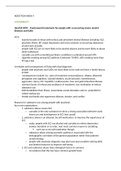
Horsfall 2009 – Psychosocial treatments for people with co-occurring severe mental
illnesses and SUDs
Intro
- mainly focused on those with serious and persistent mental illnesses including: SCZ,
psychotic illness, BP, major depression and most common co-occurring substances
alcohol and cannabis
- people with SCZ are 3x more likely to be alcohol abusers and 6x more likely to abuse
other substances
- cannabis use with comorbid psychiatric conditions is estimated around 50%
- cigarette smoking among SCZ patients is between 70-80%, 40% smoking more than
40 cigs a day
Correlates and consequences of living with dual diagnoses
- people with psychosis and SUDs are more likely to be male and have a family history
of SUD
- consequences include: inc. rates of treatment noncompliance, relapse, distorted
perception and cognition, suicidal ideation, social exclusion, homelessness,
aggression, injury, HIV, hepatitis, cardiovascular, liver and gastrointestinal disease
- common factor of refusal and avoidance of treatment: low motivation to reduce
substance use
- SUD destabilizes their illness, exacerbates social alienation and inc. potential for
violent lashing out
- friends and family also experience distress, tension, and conflict
Reasons for substance use among people with psychosis
four main explanations:
- 1. substance abuse causes SCZ
o cannabis is the only substance to show a strong association between early
heavy use and development of SCZ (not causal)
- 2. substance abuse is an attempt, by self-medication, to improve the experiences of
SCZ
o study: people with SCZ use alcohol and cannabis to relieve depression,
anxiety, boredom or to relax, next most common reason is socializing
such use is not self-medication though
o substance abuse among psychotic patients is associated with the
demographic correlates of the general population rather than patients’
symptomology
o people with psychosis diagnosis may also have poor problem-solving skills,
and limited resources to improve well-being
- 3. SCZ and substance abuse have etiological factors in common
o no evidence that the two have common genetic basis
, o emotional, social and biological conditions of early childhood may increase
vulnerability for both conditions (e.g. physical or sexual abuse in childhood,
sexual or physical assault, PTSD,
- 4. SCZ and substance abuse maintain each other
o vulnerability might be especially great during puberty
Treatment issues regarding people with dual diagnoses
- people with co-occurring SUDs and psychosis have less motivation to change, are
harder to engage, drop out of long-term programs more easily, and make slow
progress
- housing and rehabilitation by employment need to be addressed
- relationships may be key difficulty
- features of psychosis might inhibit progress
o positive symptoms like delusions, auditory hallucinations, concrete thinking,
inferential thinking create barriers
o negative symptoms like flat affect, low energy levels, decreased goal-directed
activity and limited emotional expressivity
- people with SCZ have low tolerance of stressors
- SUDs populations have poor coping skills, avoidance methods to avoid positive
symptoms
- model for motivation: 5 stages for readiness of change
o precontemplation, contemplation, preparation, action, maintenance
- 3 specific aspects of SCZ as barriers:
o lack of motivation
may arise from medication, illness, or constrained life circumstances
o impaired cognition
deficits in attention, concentration, abstract thinking block
information processing, problem solving and realistic planning
o social-skills limitations
absence of healthy social support system, difficulties resisting pressure
from peers
PSYHOSOCIAL INTERVENITONS FOR DUAL DIAGNOSES
Individual approaches
motivational interviewing (MI):
- essential in early stages
- acknowledges that people may not be aware that their substance use is causing
problems
- emphasizes personal choice, responsibility, and awareness of risks and benefits of
continued substance use
- a written treatment plan with individual’s strengths and links between life goals and
problems
- active management around client concerns
- informational components and constructive feedback
- support for forces within patients that encourage their interest in change
, - MI sessions can include developing coping strategies to avoid specific situations at
high risk substance use and build on alternative constructive, non-substance related
activities
- in-depth reality-oriented interventions are more likely to be effective
CBT:
- 6 issues that people must address:
o recognizing escalations symptoms and warning signs
o coping with cravings
o coming up with health alternative activities
o normalizing substance use lapses
o developing plans for lapse or relapse
o cognitive restricting to counteract positive beliefs
- sometimes combined with contingency management (payment and employment
related)
- family support may enhance both individual and group treatment approaches
Group interventions
- advantages of using group interactions:
o potential to change social attitudes and behavior
o cost effective
- groups offer social support from those who fully understand the difficulties of staying
sober and provide structure for daily living
- traditional 12-step programs are unhelpful for people with dual diagnoses
o limitations of social and emotional expression among people with SCZ don’t
fit with AA custom of talking
assertive community treatment (ACT):
- adapting a conventional model of case management to the need of this client cohort
- develop a working alliance with clients, link them to relevant other services, function
as their advocate
- keeping contact and providing ongoing assessment, case managers are central to
engagement, treatment and retention
- ACT clients get better outcomes in substance use and quality of life
- ACT is superior to standard case management in preventing hospitalization, only
when the base rate of hospital use is high
residential programs
- residential programs offer intense, integrated treatments during the live-in stage but
short term (3-months) programs don’t do better than outpatient services
- long-term programs (a year or more) show better abstinence, accommodation and
other positive outcomes
- low intensity residential programs might be better due to inc. flexibility and freedom,
and dec. therapeutic intensity might be experienced as more supportive and less
demanding/overwhelming
COMORBIDITY
Horsfall 2009 – Psychosocial treatments for people with co-occurring severe mental
illnesses and SUDs
Intro
- mainly focused on those with serious and persistent mental illnesses including: SCZ,
psychotic illness, BP, major depression and most common co-occurring substances
alcohol and cannabis
- people with SCZ are 3x more likely to be alcohol abusers and 6x more likely to abuse
other substances
- cannabis use with comorbid psychiatric conditions is estimated around 50%
- cigarette smoking among SCZ patients is between 70-80%, 40% smoking more than
40 cigs a day
Correlates and consequences of living with dual diagnoses
- people with psychosis and SUDs are more likely to be male and have a family history
of SUD
- consequences include: inc. rates of treatment noncompliance, relapse, distorted
perception and cognition, suicidal ideation, social exclusion, homelessness,
aggression, injury, HIV, hepatitis, cardiovascular, liver and gastrointestinal disease
- common factor of refusal and avoidance of treatment: low motivation to reduce
substance use
- SUD destabilizes their illness, exacerbates social alienation and inc. potential for
violent lashing out
- friends and family also experience distress, tension, and conflict
Reasons for substance use among people with psychosis
four main explanations:
- 1. substance abuse causes SCZ
o cannabis is the only substance to show a strong association between early
heavy use and development of SCZ (not causal)
- 2. substance abuse is an attempt, by self-medication, to improve the experiences of
SCZ
o study: people with SCZ use alcohol and cannabis to relieve depression,
anxiety, boredom or to relax, next most common reason is socializing
such use is not self-medication though
o substance abuse among psychotic patients is associated with the
demographic correlates of the general population rather than patients’
symptomology
o people with psychosis diagnosis may also have poor problem-solving skills,
and limited resources to improve well-being
- 3. SCZ and substance abuse have etiological factors in common
o no evidence that the two have common genetic basis
, o emotional, social and biological conditions of early childhood may increase
vulnerability for both conditions (e.g. physical or sexual abuse in childhood,
sexual or physical assault, PTSD,
- 4. SCZ and substance abuse maintain each other
o vulnerability might be especially great during puberty
Treatment issues regarding people with dual diagnoses
- people with co-occurring SUDs and psychosis have less motivation to change, are
harder to engage, drop out of long-term programs more easily, and make slow
progress
- housing and rehabilitation by employment need to be addressed
- relationships may be key difficulty
- features of psychosis might inhibit progress
o positive symptoms like delusions, auditory hallucinations, concrete thinking,
inferential thinking create barriers
o negative symptoms like flat affect, low energy levels, decreased goal-directed
activity and limited emotional expressivity
- people with SCZ have low tolerance of stressors
- SUDs populations have poor coping skills, avoidance methods to avoid positive
symptoms
- model for motivation: 5 stages for readiness of change
o precontemplation, contemplation, preparation, action, maintenance
- 3 specific aspects of SCZ as barriers:
o lack of motivation
may arise from medication, illness, or constrained life circumstances
o impaired cognition
deficits in attention, concentration, abstract thinking block
information processing, problem solving and realistic planning
o social-skills limitations
absence of healthy social support system, difficulties resisting pressure
from peers
PSYHOSOCIAL INTERVENITONS FOR DUAL DIAGNOSES
Individual approaches
motivational interviewing (MI):
- essential in early stages
- acknowledges that people may not be aware that their substance use is causing
problems
- emphasizes personal choice, responsibility, and awareness of risks and benefits of
continued substance use
- a written treatment plan with individual’s strengths and links between life goals and
problems
- active management around client concerns
- informational components and constructive feedback
- support for forces within patients that encourage their interest in change
, - MI sessions can include developing coping strategies to avoid specific situations at
high risk substance use and build on alternative constructive, non-substance related
activities
- in-depth reality-oriented interventions are more likely to be effective
CBT:
- 6 issues that people must address:
o recognizing escalations symptoms and warning signs
o coping with cravings
o coming up with health alternative activities
o normalizing substance use lapses
o developing plans for lapse or relapse
o cognitive restricting to counteract positive beliefs
- sometimes combined with contingency management (payment and employment
related)
- family support may enhance both individual and group treatment approaches
Group interventions
- advantages of using group interactions:
o potential to change social attitudes and behavior
o cost effective
- groups offer social support from those who fully understand the difficulties of staying
sober and provide structure for daily living
- traditional 12-step programs are unhelpful for people with dual diagnoses
o limitations of social and emotional expression among people with SCZ don’t
fit with AA custom of talking
assertive community treatment (ACT):
- adapting a conventional model of case management to the need of this client cohort
- develop a working alliance with clients, link them to relevant other services, function
as their advocate
- keeping contact and providing ongoing assessment, case managers are central to
engagement, treatment and retention
- ACT clients get better outcomes in substance use and quality of life
- ACT is superior to standard case management in preventing hospitalization, only
when the base rate of hospital use is high
residential programs
- residential programs offer intense, integrated treatments during the live-in stage but
short term (3-months) programs don’t do better than outpatient services
- long-term programs (a year or more) show better abstinence, accommodation and
other positive outcomes
- low intensity residential programs might be better due to inc. flexibility and freedom,
and dec. therapeutic intensity might be experienced as more supportive and less
demanding/overwhelming