Organisations and
Behaviour
1
,Contents
Introduction...........................................................................................................................................3
Task 1.1 Compare and contrast different organisational structures and cultures.................................4
AC 1.1....................................................................................................................................................4
AC1.2. Explain how the relationship between an organisation’s structure and culture can impact on
the performance of the business.........................................................................................................12
AC 1.3 Discuss the factors which influence individual behaviour at work...........................................14
AC. 2.1 Compare the effectiveness of different leadership styles in different organisations...............16
Laissez-Faire.....................................................................................................................................16
Autocratic........................................................................................................................................16
Transactional...................................................................................................................................16
Transformational.............................................................................................................................17
AC 2.2 Explain how organisational theory underpins the practice of management............................18
2.3. (AC 2.3) Evaluate the different approaches to management used by different organisations.....20
3.1. (AC 3.1) Discuss the impact that different leadership styles may have on motivation in
organisations in periods of change......................................................................................................21
3.2. (AC 3.2.) Compare the application of different motivational theories within the workplace.......23
3.3. (AC 3.3) Evaluate the usefulness of a motivation theory for managers........................................25
4.1. (AC 4.1) Explain the nature of groups and group behaviour within organisations........................26
4.2 (AC 4.2) Discuss factors that may promote or inhibit the development of effective teamwork in
organisations.......................................................................................................................................28
4.3. (AC 4.3.) Evaluate the impact of technology on team functioning within a given organisation....30
Conclusion...........................................................................................................................................31
References...........................................................................................................................................32
2
, Introduction
Organizational behaviour is an area of study committed to being familiar with, clarifying, and
ultimately improving the states of mind and practices of people and group in the organisation.
Moreover it studies the relationship connecting learning and employment generally
performance. Organizational behaviour refers to the way in which individuals and groups
interact inside and a company.
The paper below will concentrate on how businesses work and their structure. It will look at
the different structures inside of an organization and figure out how they are grouped and in
time. Furthermore the paper will assess the numerous mechanisms in order to obtain effective
teamwork within the business. It will compare and contrast several organisational structures
and cultures.
3
, Task 1.1 Compare and contrast different organisational structures
and cultures.
AC 1.1
Organisational structures and culture are basically co - related and have considerable impact
on the business efficiency. To comprehend the relationship between organisations structure
and societies, we need to experience the term of organisational structures and culture.
An organisation is a social unit of individuals that is organised to meet all the objectives that
it has. All associations have an administration structure that decides connections between the
distinctive exercises and the individuals, and subdivides and allots parts, obligations, and
power to do diverse assignments. Organisations influence and are influenced by their
environment.
Organizational structure is a framework used to characterize a chain of command inside an
association. It distinguishes every occupation, its capacity and where it reports to inside the
association. This structure is created to build up how an association works and helps an
association in acquiring its objectives to take into consideration future development. The
structure is outlined utilizing a hierarchical chart.
There are various types of organisation structures such as entrepreneur, functional, product,
matrix and geographical.
An organisational structure defines the reporting relationships in a company, in other words,
who works for who. Companies choose an organisational structure based on many factors
including their size, their geographic dispersion and the number of different products and
services they offer.
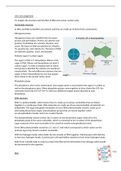
An Entrepreneurial structure is frequently found where businesses function in competitive
markets and particularly where quick decisions are required. Have a few core workers at the
center of the society and peripheral employees surrounding them. Depends on how good the
core workers are at managing and making decisions. Entrepreneurial structure can be hard for
larger organizations.
4
Behaviour
1
,Contents
Introduction...........................................................................................................................................3
Task 1.1 Compare and contrast different organisational structures and cultures.................................4
AC 1.1....................................................................................................................................................4
AC1.2. Explain how the relationship between an organisation’s structure and culture can impact on
the performance of the business.........................................................................................................12
AC 1.3 Discuss the factors which influence individual behaviour at work...........................................14
AC. 2.1 Compare the effectiveness of different leadership styles in different organisations...............16
Laissez-Faire.....................................................................................................................................16
Autocratic........................................................................................................................................16
Transactional...................................................................................................................................16
Transformational.............................................................................................................................17
AC 2.2 Explain how organisational theory underpins the practice of management............................18
2.3. (AC 2.3) Evaluate the different approaches to management used by different organisations.....20
3.1. (AC 3.1) Discuss the impact that different leadership styles may have on motivation in
organisations in periods of change......................................................................................................21
3.2. (AC 3.2.) Compare the application of different motivational theories within the workplace.......23
3.3. (AC 3.3) Evaluate the usefulness of a motivation theory for managers........................................25
4.1. (AC 4.1) Explain the nature of groups and group behaviour within organisations........................26
4.2 (AC 4.2) Discuss factors that may promote or inhibit the development of effective teamwork in
organisations.......................................................................................................................................28
4.3. (AC 4.3.) Evaluate the impact of technology on team functioning within a given organisation....30
Conclusion...........................................................................................................................................31
References...........................................................................................................................................32
2
, Introduction
Organizational behaviour is an area of study committed to being familiar with, clarifying, and
ultimately improving the states of mind and practices of people and group in the organisation.
Moreover it studies the relationship connecting learning and employment generally
performance. Organizational behaviour refers to the way in which individuals and groups
interact inside and a company.
The paper below will concentrate on how businesses work and their structure. It will look at
the different structures inside of an organization and figure out how they are grouped and in
time. Furthermore the paper will assess the numerous mechanisms in order to obtain effective
teamwork within the business. It will compare and contrast several organisational structures
and cultures.
3
, Task 1.1 Compare and contrast different organisational structures
and cultures.
AC 1.1
Organisational structures and culture are basically co - related and have considerable impact
on the business efficiency. To comprehend the relationship between organisations structure
and societies, we need to experience the term of organisational structures and culture.
An organisation is a social unit of individuals that is organised to meet all the objectives that
it has. All associations have an administration structure that decides connections between the
distinctive exercises and the individuals, and subdivides and allots parts, obligations, and
power to do diverse assignments. Organisations influence and are influenced by their
environment.
Organizational structure is a framework used to characterize a chain of command inside an
association. It distinguishes every occupation, its capacity and where it reports to inside the
association. This structure is created to build up how an association works and helps an
association in acquiring its objectives to take into consideration future development. The
structure is outlined utilizing a hierarchical chart.
There are various types of organisation structures such as entrepreneur, functional, product,
matrix and geographical.
An organisational structure defines the reporting relationships in a company, in other words,
who works for who. Companies choose an organisational structure based on many factors
including their size, their geographic dispersion and the number of different products and
services they offer.
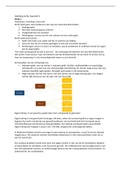
An Entrepreneurial structure is frequently found where businesses function in competitive
markets and particularly where quick decisions are required. Have a few core workers at the
center of the society and peripheral employees surrounding them. Depends on how good the
core workers are at managing and making decisions. Entrepreneurial structure can be hard for
larger organizations.
4