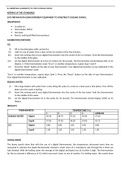
B: UNDERTAKE CALORIMETRY TO STUDY COOLING CURVES.
KEEPING UP THE STANDARDS
B.P3 OBTAIN DATA USING DIFFERENT EQUIPMENT TO CONSTRUCT COOLING CURVES.
[EQUIPMENT]
Crushed ice
Glass beaker 500ml
Hot plate
Electric and liquid filled thermometers
CALIBRATION [METHOD]
ICE:
(I) Fill an insulated glass with crushed ice
(II) Add 1/2 cup of water from a sink. Let the ice mixture sit for five minutes.
(III) Insert the sensing end of your digital thermometer into the centre of the ice mixture. Push the thermometer
to the middle of the glass.
(IV) Let the digital thermometer sit in the ice mixture for 30 seconds. The thermometer should display OOC on its
display. A. If the thermometer reads "Error” or another temperature, repeat steps 3 and 4
(V) Press the "Reset" button on the side of your thermometer. Your digital thermometer is now calibrated. If the
digital thermometer reads
"Error' or another temperature, repeat steps 2and 3. Press the "Reset" button on the side of your thermometer.
Your digital thermometer is now calibrated.
BOILING WATER:
(I) Fill a large beaker with water from a sink. Bring the water to a boil on a heat source (hot plate). Turn off the
plate once the water is boiling.
(II) Insert the sensing end of your digital thermometer into the centre of the hot water. Push the thermometer
to the middle of the water.
(III) Let the digital thermometer sit in the water for 30 seconds. The thermometer should display 1000C on its
display.
[RESULTS]
THERMOMETER TEMPERATURE (°c)
1 2 3 4 AVERAGE
BOILING WATER Digital 99.30 98.70 97.30 94.90 97.60
Liquid 97.00 97.00 96.00 93.00 95.75
ICE Digital 0.80 0.80 1.00 0.90 0.80
Liquid 1.00 1.00 1.00 1.00 1.00
[CONCLUSION]
The above results show that with the use of a digital thermometer, the temperature decreased every time we
measured it, whereas the liquid thermometer showed a much more of a consistence rate through the 4 times we
had checked. With the boiling water the average of the digital and liquid was 31.8 which is high. The thermometer
for the ice showed a difference of 0.2 which was much closer to one of another. For boiling water, the results show
, B: UNDERTAKE CALORIMETRY TO STUDY COOLING CURVES.
that the digital thermometer shows a closer degree to 100 than the liquid and in ice it is the opposite the liquid
thermometer shows a better degree of accuracy than the digital.
B.P4 DETERMINE THE RATE OF COOLING OF SUBSTANCES USING COOLING CURVES.
[INTRODUCTION]
We are determining the rate of cooling of steric acid using cooling curves by constructing a graph. We are using our
colourimeter skills to demonstrate and obtain valid data to determine, analyse and evaluate the rate of colling of
steric acid.
[EQUIPMENT]
Beaker 250cm3
Boiling tub
Thermometer
Stop clock
Clamp, stand and boss
Hot plate
Steric acid
[RISK ASSESSMENT]
NAME OF RISK PREVENTION ACTION NEEDED FOR PREVETMION
HAZARD
HOT PLATE Can burn your skin when in Wear appropriate PPE such Rinse the area which is injured i.e.,
close contact resulting it as gloves and a lab coat and burnt for under cold water for at
scars and burns. goggles to cover your arms least 10 minutes and ask/alert for
and medical care from a trained 1st aider
if it is very serious.
BEAKER Can fall and break causing Wear appropriate PPE such When picking up the glass make
the glass to scatter and can as gloves and a lab coat sure that the PPE is worn such as
cut you making you bleed. gloves to prevent cut and any cuts
should be treated by alcohol wipes
and a plaster.
STERIC Irritant to the skin and eye if Hand with care and Wash the area which has been
ACID in contact. concentrate when using the affected under cold water for at
steric acid. least 10 minutes and ask/alert for
medical care from a trained 1st aider.
BOILING Can burn your skin when in Wear appropriate PPE such Rinse the area which is injured i.e.,
WATER close contact resulting it as gloves and a lab coat and burnt for under cold water for at
scars and burns. And can goggles to cover your arms least 10 minutes and ask/alert for
damage eye if water droplets and hands and eyes from the medical care from a trained 1st aider
splashed near the eye water and make sure your if it is very serious.
causing it to burn and face is further away from the
becoming blinded. kettle when pouring the
water in.
STERIC ACID [METHOD]
(I) Heat the solid stearic acid to above the melting point.
(II) Remove the stearic acid from the heat source.
(III) Measure and record the temperature every minute as the stearic acid cools and begins to solidify.
(IV) Use your results to construct a cooling curve.
KEEPING UP THE STANDARDS
B.P3 OBTAIN DATA USING DIFFERENT EQUIPMENT TO CONSTRUCT COOLING CURVES.
[EQUIPMENT]
Crushed ice
Glass beaker 500ml
Hot plate
Electric and liquid filled thermometers
CALIBRATION [METHOD]
ICE:
(I) Fill an insulated glass with crushed ice
(II) Add 1/2 cup of water from a sink. Let the ice mixture sit for five minutes.
(III) Insert the sensing end of your digital thermometer into the centre of the ice mixture. Push the thermometer
to the middle of the glass.
(IV) Let the digital thermometer sit in the ice mixture for 30 seconds. The thermometer should display OOC on its
display. A. If the thermometer reads "Error” or another temperature, repeat steps 3 and 4
(V) Press the "Reset" button on the side of your thermometer. Your digital thermometer is now calibrated. If the
digital thermometer reads
"Error' or another temperature, repeat steps 2and 3. Press the "Reset" button on the side of your thermometer.
Your digital thermometer is now calibrated.
BOILING WATER:
(I) Fill a large beaker with water from a sink. Bring the water to a boil on a heat source (hot plate). Turn off the
plate once the water is boiling.
(II) Insert the sensing end of your digital thermometer into the centre of the hot water. Push the thermometer
to the middle of the water.
(III) Let the digital thermometer sit in the water for 30 seconds. The thermometer should display 1000C on its
display.
[RESULTS]
THERMOMETER TEMPERATURE (°c)
1 2 3 4 AVERAGE
BOILING WATER Digital 99.30 98.70 97.30 94.90 97.60
Liquid 97.00 97.00 96.00 93.00 95.75
ICE Digital 0.80 0.80 1.00 0.90 0.80
Liquid 1.00 1.00 1.00 1.00 1.00
[CONCLUSION]
The above results show that with the use of a digital thermometer, the temperature decreased every time we
measured it, whereas the liquid thermometer showed a much more of a consistence rate through the 4 times we
had checked. With the boiling water the average of the digital and liquid was 31.8 which is high. The thermometer
for the ice showed a difference of 0.2 which was much closer to one of another. For boiling water, the results show
, B: UNDERTAKE CALORIMETRY TO STUDY COOLING CURVES.
that the digital thermometer shows a closer degree to 100 than the liquid and in ice it is the opposite the liquid
thermometer shows a better degree of accuracy than the digital.
B.P4 DETERMINE THE RATE OF COOLING OF SUBSTANCES USING COOLING CURVES.
[INTRODUCTION]
We are determining the rate of cooling of steric acid using cooling curves by constructing a graph. We are using our
colourimeter skills to demonstrate and obtain valid data to determine, analyse and evaluate the rate of colling of
steric acid.
[EQUIPMENT]
Beaker 250cm3
Boiling tub
Thermometer
Stop clock
Clamp, stand and boss
Hot plate
Steric acid
[RISK ASSESSMENT]
NAME OF RISK PREVENTION ACTION NEEDED FOR PREVETMION
HAZARD
HOT PLATE Can burn your skin when in Wear appropriate PPE such Rinse the area which is injured i.e.,
close contact resulting it as gloves and a lab coat and burnt for under cold water for at
scars and burns. goggles to cover your arms least 10 minutes and ask/alert for
and medical care from a trained 1st aider
if it is very serious.
BEAKER Can fall and break causing Wear appropriate PPE such When picking up the glass make
the glass to scatter and can as gloves and a lab coat sure that the PPE is worn such as
cut you making you bleed. gloves to prevent cut and any cuts
should be treated by alcohol wipes
and a plaster.
STERIC Irritant to the skin and eye if Hand with care and Wash the area which has been
ACID in contact. concentrate when using the affected under cold water for at
steric acid. least 10 minutes and ask/alert for
medical care from a trained 1st aider.
BOILING Can burn your skin when in Wear appropriate PPE such Rinse the area which is injured i.e.,
WATER close contact resulting it as gloves and a lab coat and burnt for under cold water for at
scars and burns. And can goggles to cover your arms least 10 minutes and ask/alert for
damage eye if water droplets and hands and eyes from the medical care from a trained 1st aider
splashed near the eye water and make sure your if it is very serious.
causing it to burn and face is further away from the
becoming blinded. kettle when pouring the
water in.
STERIC ACID [METHOD]
(I) Heat the solid stearic acid to above the melting point.
(II) Remove the stearic acid from the heat source.
(III) Measure and record the temperature every minute as the stearic acid cools and begins to solidify.
(IV) Use your results to construct a cooling curve.