Warfare - key facts for each theme nature/outcome
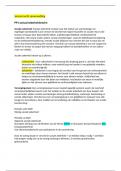
Domestic factors
FRW - French Revolutionary Wars
NW - Napoleonic Wars
CW - Crimean War
GWoU - German Wars of Unification
ACW - American Civil War
WW1 - First World War
WW2 - Second World War
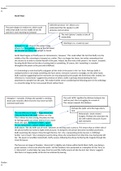
Organisation of the state of war - nature / targeting of civilians
- NW - all nations began to blur the distinction of soldiers and civilians - targeting
of women and children by Spanish guerillas in the Peninsular campaign. In 1812
the Russians destroyed infrastructure and agriculture in their retreat in order to
hamper the French and strip them of adequate supplies. This ensured greater control
as targeting the people shows the threat they pose, making the wars more brutal.
- ACW - the North went even further with state control than the South. They targeted
civilians by threatening punishment and arrests if they opposed the war effort.
President Lincoln issued a proclamation which gave the government full power to
shut down ‘hostile, anti-war newspapers’, and to arrest protesters. The tighter
regulations at home created a stricter and more brutal atmosphere where everyone
had to be dedicated to the war effort.
- WW2 - targeting of civilians became even more extreme as the period progressed,
showing that as warfare developed state control increased. Targeting of civilains was
used to destroy the morale - allied bombing raids on Germany, dropping of the
atomic bombs by the USA on Japan, bombing on Britian (the Blitz). Evacuation of
children was brought in to move away from the cities and many German factories
had to be moved to avoid destruction - shows how civilians had become legitimate
targets.
Organisation of the state of war - outcome
- FRW - introduced stricter state power through repression to ensure they had higher
control than the enemies and even absolutist kings. They introduced a new paper
currency (the Assignat) which was introduced to ensure that the necessary money
was available to wage the war. When inflation threatened, prices were controlled by
direct order, which only increased their state control and helped them to be more
prepared to win the war.
- ACW - similarly, the North went even further than its enemy in state control, which
explains their eventual victory. Despite the South’s attempts in increasing rates,
income tax and resorting to conscription, it wasn’t enough to compete with the North.
Similarly, to FRW they introduced a new currency also (‘greenback’ paper
, currency) and a new banking system, therefore they tightly controlled finance,
whereas the South had been one of the least taxed and controlled areas of the world
before 1861.
- WW1 - by the 20th century states had become even more powerful, and it was
difficult to escape it. Similar to FRW and ACW a more efficient taxing system was
introduced, which made raising money easier to wage a war. However, this often led
to inflation and therefore food shortages, which happened to the Germans. This
provided a target for the Allies and they performed an economic blockade of
German ports, to starve the people and which was also a significant reason the
Germans sued for peace in 1918.
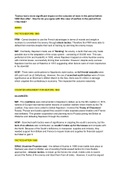
Public opinion - nature - affected the casualty figures
- NW - there was limited media and public awareness of events. This meant that
Napoleon was free to make tactical decisions without the fear of a negative public
reaction. E.g. Battle of Borodino (1812) Napoleon sacrificed 35,000 men in one
day using blunt attrition tactics. Borodino was the bloodiest battle of the Napoleonic
Wars.
- CW - in comparison, public opinion became more active and affected the tactical
decisions. Commanders prioritised low-casualty defensive tactics at Inkerman
(1854) following public outrage after the Charge of the Light Brigade.
- ACW - The population was gripped by a fervour based on political ideology (desire
to completely destroy the enemy’s way of life) meant that the politicians could
introduce conscription laws that the public would support. The more numbers meant
that commanders could sustain costly attritional tactics with high casualties -
assault of 60,000 by Grant at Cold Harbour in 1864.
- WW2 - Similar to the NW, heavy German censorship often prevented public opinion
from impacting strategic decisions and therefore led to high casualties. During
Operation Barbarossa 1914, Germany suffered over 1 million casualties due to
generals continuing costly strategies.
Public opinion - outcome
It had a considerable impact on strategy and tactics as it was taken into account by
commanders when making decisions.
- CW - The loss of public support in the Crimean War, evidenced by the Trafalgar
Square riot in 1855, forced the government to hurry peace negotiations culminating
in the Treaty of Paris in 1859.
- Wars of Unification - Similarly, public opinion had considerable influence on the
decision to go to, or end a war, which obviously had a great impact on victory. Due to
French public sympathy for the Italian unification effort (especially after an Italian
tried to assassinate Napoleon III), the French government was compelled to join the
war effort in 1859.
Domestic factors
FRW - French Revolutionary Wars
NW - Napoleonic Wars
CW - Crimean War
GWoU - German Wars of Unification
ACW - American Civil War
WW1 - First World War
WW2 - Second World War
Organisation of the state of war - nature / targeting of civilians
- NW - all nations began to blur the distinction of soldiers and civilians - targeting
of women and children by Spanish guerillas in the Peninsular campaign. In 1812
the Russians destroyed infrastructure and agriculture in their retreat in order to
hamper the French and strip them of adequate supplies. This ensured greater control
as targeting the people shows the threat they pose, making the wars more brutal.
- ACW - the North went even further with state control than the South. They targeted
civilians by threatening punishment and arrests if they opposed the war effort.
President Lincoln issued a proclamation which gave the government full power to
shut down ‘hostile, anti-war newspapers’, and to arrest protesters. The tighter
regulations at home created a stricter and more brutal atmosphere where everyone
had to be dedicated to the war effort.
- WW2 - targeting of civilians became even more extreme as the period progressed,
showing that as warfare developed state control increased. Targeting of civilains was
used to destroy the morale - allied bombing raids on Germany, dropping of the
atomic bombs by the USA on Japan, bombing on Britian (the Blitz). Evacuation of
children was brought in to move away from the cities and many German factories
had to be moved to avoid destruction - shows how civilians had become legitimate
targets.
Organisation of the state of war - outcome
- FRW - introduced stricter state power through repression to ensure they had higher
control than the enemies and even absolutist kings. They introduced a new paper
currency (the Assignat) which was introduced to ensure that the necessary money
was available to wage the war. When inflation threatened, prices were controlled by
direct order, which only increased their state control and helped them to be more
prepared to win the war.
- ACW - similarly, the North went even further than its enemy in state control, which
explains their eventual victory. Despite the South’s attempts in increasing rates,
income tax and resorting to conscription, it wasn’t enough to compete with the North.
Similarly, to FRW they introduced a new currency also (‘greenback’ paper
, currency) and a new banking system, therefore they tightly controlled finance,
whereas the South had been one of the least taxed and controlled areas of the world
before 1861.
- WW1 - by the 20th century states had become even more powerful, and it was
difficult to escape it. Similar to FRW and ACW a more efficient taxing system was
introduced, which made raising money easier to wage a war. However, this often led
to inflation and therefore food shortages, which happened to the Germans. This
provided a target for the Allies and they performed an economic blockade of
German ports, to starve the people and which was also a significant reason the
Germans sued for peace in 1918.
Public opinion - nature - affected the casualty figures
- NW - there was limited media and public awareness of events. This meant that
Napoleon was free to make tactical decisions without the fear of a negative public
reaction. E.g. Battle of Borodino (1812) Napoleon sacrificed 35,000 men in one
day using blunt attrition tactics. Borodino was the bloodiest battle of the Napoleonic
Wars.
- CW - in comparison, public opinion became more active and affected the tactical
decisions. Commanders prioritised low-casualty defensive tactics at Inkerman
(1854) following public outrage after the Charge of the Light Brigade.
- ACW - The population was gripped by a fervour based on political ideology (desire
to completely destroy the enemy’s way of life) meant that the politicians could
introduce conscription laws that the public would support. The more numbers meant
that commanders could sustain costly attritional tactics with high casualties -
assault of 60,000 by Grant at Cold Harbour in 1864.
- WW2 - Similar to the NW, heavy German censorship often prevented public opinion
from impacting strategic decisions and therefore led to high casualties. During
Operation Barbarossa 1914, Germany suffered over 1 million casualties due to
generals continuing costly strategies.
Public opinion - outcome
It had a considerable impact on strategy and tactics as it was taken into account by
commanders when making decisions.
- CW - The loss of public support in the Crimean War, evidenced by the Trafalgar
Square riot in 1855, forced the government to hurry peace negotiations culminating
in the Treaty of Paris in 1859.
- Wars of Unification - Similarly, public opinion had considerable influence on the
decision to go to, or end a war, which obviously had a great impact on victory. Due to
French public sympathy for the Italian unification effort (especially after an Italian
tried to assassinate Napoleon III), the French government was compelled to join the
war effort in 1859.