2 Theoretical framework
In order to answer the main research question, it is crucial to discuss theories that can aid in
answering the main research question. Theories provide evidence and examples that prove their
validity, feasibility, and success in application. Because of this, various academic articles related to
the main research question will be reviewed along with their definitions, advantages, and
disadvantages. In the second step, a selection will be made to develop the theoretical basis and its
application to business problem. In the third step, the limitations of this framework will be explained,
and a decision will be made on whether to adjust or expand it by using primary research or
secondary research. Based upon these steps, sub questions will be formulated that will support in
answering the main research question.
2.2 Inclusion
Inclusion within organizations has become increasingly important, as diversity no longer suffices.
According to Sabharwal, organizational inclusion encompasses how employees, their ideas, and their
collaborations are valued and utilized within and between departments. Additionally, organizational
inclusion refers to how people feel connected to one another as well as to the organization and its
mission. Additionally, Sabharwal contends that when individuals are included in the organization,
they feel valued and recognized for their efforts. In turn, this feeling of safety allows them to express
their ideas and viewpoints freely. Sabharwal states that the feeling of inclusion comprises several
components, such as feeling valued, being aware of the importance of diversity, and being involved
in the group's decisions, as well as being able to operate at one's best, influencing decisions, and
feeling safe in the working environment (Sabharwal, 2014).
From the standpoint of organizational inclusion, Kuknor et al. (Kuknor & Bhattacharya, 2020)
emphasize that to be successful, organizations must be able to integrate heterogeneous groups of
people and nurture them to work well together. The inclusion perception of an individual may,
however, be influenced by factors such as locus of control, personality, and self-esteem and self-
confidence. Therefore, employees who are part of an inclusive culture tend to engage in citizenship
behaviours, since they are more likely to go beyond their regular roles and responsibilities (Kuknor &
Bhattacharya, 2020)
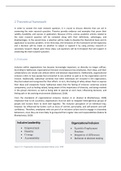
Figure 2.2.1. Organization inclusion framework Kuknor et al., 2020
, In terms of organizational inclusion, Kuknor et al (Kuknor & Bhattacharya, 2020) uses figure 2.2.1. to
explain the elements. Employers are committed to implementing a fair promotion process, a fair
performance review process, etc., resulting in a diverse staff distribution throughout an organization.
Similarly, Human Resource practices are in place in the units, resulting in fair employment practices.
The second dimension of integrating difference highlights a workplace where people are comfortable
to be themselves, where work-life balance is valued, where individuals' differences from one another
are respected and where people share and learn about one another. The third dimension of the
concept is the active inclusion of employees in decision-making. In this practice, employees are
empowered to make decisions they are responsible for independently. Top management exercises
the belief that the process of problem-solving is enhanced (Kuknor & Bhattacharya, 2020).
Moreover, it is vital that a leader exhibits courage by putting aside his or her own benefits for the
purpose of empowering employees. In organizational inclusion, the author argues that fair
employment practices are observed in the organization's commitment to having a diverse group of
employees well distributed throughout, and that the employment and human resources policies of
the units are fairly applied, as well as the fair promotion process and the fair review of performance.
Additionally, Kuknor et al., highlights the importance of integrating differences within any
organization to ensure that employees are comfortable being themselves, that the organization
values the work-life balance, and that the diversity of employees is respected. As well as the
opportunity for people to exchange information and learn about one another. According to Kuknor
et al., the overall benefits of an inclusive culture include creating policies and procedures that
promote open communication between employees, increase innovation and creativity, and
encourage organizational commitment. (Kuknor & Bhattacharya, 2020).
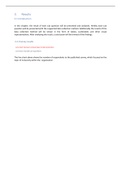
Figure 2.2.2. Concepts of Inclusion and exclusion
In order to answer the main research question, it is crucial to discuss theories that can aid in
answering the main research question. Theories provide evidence and examples that prove their
validity, feasibility, and success in application. Because of this, various academic articles related to
the main research question will be reviewed along with their definitions, advantages, and
disadvantages. In the second step, a selection will be made to develop the theoretical basis and its
application to business problem. In the third step, the limitations of this framework will be explained,
and a decision will be made on whether to adjust or expand it by using primary research or
secondary research. Based upon these steps, sub questions will be formulated that will support in
answering the main research question.
2.2 Inclusion
Inclusion within organizations has become increasingly important, as diversity no longer suffices.
According to Sabharwal, organizational inclusion encompasses how employees, their ideas, and their
collaborations are valued and utilized within and between departments. Additionally, organizational
inclusion refers to how people feel connected to one another as well as to the organization and its
mission. Additionally, Sabharwal contends that when individuals are included in the organization,
they feel valued and recognized for their efforts. In turn, this feeling of safety allows them to express
their ideas and viewpoints freely. Sabharwal states that the feeling of inclusion comprises several
components, such as feeling valued, being aware of the importance of diversity, and being involved
in the group's decisions, as well as being able to operate at one's best, influencing decisions, and
feeling safe in the working environment (Sabharwal, 2014).
From the standpoint of organizational inclusion, Kuknor et al. (Kuknor & Bhattacharya, 2020)
emphasize that to be successful, organizations must be able to integrate heterogeneous groups of
people and nurture them to work well together. The inclusion perception of an individual may,
however, be influenced by factors such as locus of control, personality, and self-esteem and self-
confidence. Therefore, employees who are part of an inclusive culture tend to engage in citizenship
behaviours, since they are more likely to go beyond their regular roles and responsibilities (Kuknor &
Bhattacharya, 2020)
Figure 2.2.1. Organization inclusion framework Kuknor et al., 2020
, In terms of organizational inclusion, Kuknor et al (Kuknor & Bhattacharya, 2020) uses figure 2.2.1. to
explain the elements. Employers are committed to implementing a fair promotion process, a fair
performance review process, etc., resulting in a diverse staff distribution throughout an organization.
Similarly, Human Resource practices are in place in the units, resulting in fair employment practices.
The second dimension of integrating difference highlights a workplace where people are comfortable
to be themselves, where work-life balance is valued, where individuals' differences from one another
are respected and where people share and learn about one another. The third dimension of the
concept is the active inclusion of employees in decision-making. In this practice, employees are
empowered to make decisions they are responsible for independently. Top management exercises
the belief that the process of problem-solving is enhanced (Kuknor & Bhattacharya, 2020).
Moreover, it is vital that a leader exhibits courage by putting aside his or her own benefits for the
purpose of empowering employees. In organizational inclusion, the author argues that fair
employment practices are observed in the organization's commitment to having a diverse group of
employees well distributed throughout, and that the employment and human resources policies of
the units are fairly applied, as well as the fair promotion process and the fair review of performance.
Additionally, Kuknor et al., highlights the importance of integrating differences within any
organization to ensure that employees are comfortable being themselves, that the organization
values the work-life balance, and that the diversity of employees is respected. As well as the
opportunity for people to exchange information and learn about one another. According to Kuknor
et al., the overall benefits of an inclusive culture include creating policies and procedures that
promote open communication between employees, increase innovation and creativity, and
encourage organizational commitment. (Kuknor & Bhattacharya, 2020).
Figure 2.2.2. Concepts of Inclusion and exclusion