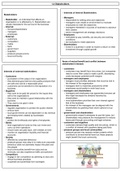
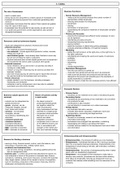
1.4 Stakeholders
• Interests of Internal Stakeholders:
Stakeholders:
• Managers
• Stakeholder - an individual that affects an • responsible for setting aims and objectives
organisation or is affected by it. Stakeholders are • managers must create an environment to motivate
usually interested in the survival of the business employees to meet the objectives
• Internal: • managers interested in success of business to advance
• Owners/shareholders their careers
• managers • senior management set strategic decisions
• employees • Employees
• External: • motivated by pay, benefits, job security and working
• customers conditions
• competition • be motivated to meet objectives
• media • Shareholders
• bank • invest in a business in order to receive a return on their
• government investment through capital growth
• suppliers
• pressure groups/unions
• local community
Areas of mutual benefit and conflict between
stakeholder’s interest:
• customers
Interests of external stakeholders: • customers may benefit from low prices, but companies
need to cover their costs to make a profit, decreasing
• Customers costs decreases potential profit margins
• purchasers of the output of an organisation • managers and employees
• they demand good service and quality products that • mangers must priorities demands that must be met in
are safe and sold at a reasonable price the interest of the organisation
• customers can be sensitive to the reputation of a • managers wish to maximise productivity whilst
business employees would prefer to work less hours
• Suppliers • managers and shareholders
• they want to be paid fair prices for the inputs they • managers and employees may appreciate bonuses yet
sell to the organisations this might decrease the dividend received by
• they want to maintain a good relationship with the shareholders
business • most stakeholders prioritise their own interest against
• They want to be paid in time that of the business
• Governments • the interest of the managers can be aligned with the
• regulate organisation to protect the public interest shareholders by granting them stock options to buy
• enforce laws shares
• local governments can be dependent on tax revenue • government and shareholders
and employment created by businesses • governments expect businesses to pay fair taxes, but
• Unions shareholders may pressure the management to reduce
• protect the livelihoods and rights of employees taxes paid through accounting and legal schemes.
• Banks • customers and suppliers
• lend organisations funds so they can invest and • customers demand high quality and low prices, which is
carry out their operations a conflict of interest with suppliers being paid fairly
• ensure loans are paid back, with interest on time • pressure groups and local communities
• monitor an organisation liquidity and financial • pressure groups may oppose certain projects which
accounts contribute to environmental harm but these projects
• Society might benefit the local community.
• affected by corporate behaviour
• pressure groups may step in to make sure corporate
behaviour does not adversely impact the plant and
the people
• local communities benefit from jobs and tax
revenues, but also experience traffic and pollution
• Competitors
• engage in fair competition by adhering to laws and
ethical business practises
• cooperate and potentially form synergies
• Interests of Internal Stakeholders:
Stakeholders:
• Managers
• Stakeholder - an individual that affects an • responsible for setting aims and objectives
organisation or is affected by it. Stakeholders are • managers must create an environment to motivate
usually interested in the survival of the business employees to meet the objectives
• Internal: • managers interested in success of business to advance
• Owners/shareholders their careers
• managers • senior management set strategic decisions
• employees • Employees
• External: • motivated by pay, benefits, job security and working
• customers conditions
• competition • be motivated to meet objectives
• media • Shareholders
• bank • invest in a business in order to receive a return on their
• government investment through capital growth
• suppliers
• pressure groups/unions
• local community
Areas of mutual benefit and conflict between
stakeholder’s interest:
• customers
Interests of external stakeholders: • customers may benefit from low prices, but companies
need to cover their costs to make a profit, decreasing
• Customers costs decreases potential profit margins
• purchasers of the output of an organisation • managers and employees
• they demand good service and quality products that • mangers must priorities demands that must be met in
are safe and sold at a reasonable price the interest of the organisation
• customers can be sensitive to the reputation of a • managers wish to maximise productivity whilst
business employees would prefer to work less hours
• Suppliers • managers and shareholders
• they want to be paid fair prices for the inputs they • managers and employees may appreciate bonuses yet
sell to the organisations this might decrease the dividend received by
• they want to maintain a good relationship with the shareholders
business • most stakeholders prioritise their own interest against
• They want to be paid in time that of the business
• Governments • the interest of the managers can be aligned with the
• regulate organisation to protect the public interest shareholders by granting them stock options to buy
• enforce laws shares
• local governments can be dependent on tax revenue • government and shareholders
and employment created by businesses • governments expect businesses to pay fair taxes, but
• Unions shareholders may pressure the management to reduce
• protect the livelihoods and rights of employees taxes paid through accounting and legal schemes.
• Banks • customers and suppliers
• lend organisations funds so they can invest and • customers demand high quality and low prices, which is
carry out their operations a conflict of interest with suppliers being paid fairly
• ensure loans are paid back, with interest on time • pressure groups and local communities
• monitor an organisation liquidity and financial • pressure groups may oppose certain projects which
accounts contribute to environmental harm but these projects
• Society might benefit the local community.
• affected by corporate behaviour
• pressure groups may step in to make sure corporate
behaviour does not adversely impact the plant and
the people
• local communities benefit from jobs and tax
revenues, but also experience traffic and pollution
• Competitors
• engage in fair competition by adhering to laws and
ethical business practises
• cooperate and potentially form synergies