What is the most predominant factor in determining sexual orientation?
Sexual orientation and sexuality are phrases used to describe an individual’s pattern of emotional,
romantic and sexual attraction to others. 11 sexualities are recognised by the Supreme court as of
June 2020. Some of these sexualities include those who identify as: heterosexual – attraction to
opposite sex, bisexual – attraction to those of both sexes, homosexual – attraction to the same sex,
pansexual – attraction to those of any sexual orientation or gender identity and Asexual – have no
attraction to anyone or thing. (Nazario, 2020)
For the most part individuals discover their sexuality in their teens after and during puberty.
However, in some cases individuals can become aware of their sexual orientation before this or even
a great deal after this, with famous examples such as Philip Scofield discovering his sexuality much
later on in life. The discovery of sexuality does not always occur as a result of different sexual
encounters and intimacy’s but rather a feeling of attraction that either coincides or contrasts
heteronormative view of our society. On the contrary it is extremely common for all to experiment
and question their sexuality at some point in one’s life whether this be in a dreamed fantasy or a
sexual encounter. These questions do not always result in change of sexuality and often these
attractions are not pursued. (Nazario, 2020)
Overall, the proportion of the UK population that currently (as of 2018) identify as heterosexual is
94.6%. This has continued to decrease from 95.3% in 2014. This therefore suggests that the
proportion of the UK population identifying as LGBTQ+ has overall increased. However, this increase
may not be representative of the global population as a study conducted by Yale School of Public
Health have discovered that 83% of those identifying as non-heterosexual remain ‘in the closet’ not
publicly displaying their sexuality. (Poitras, 2019)
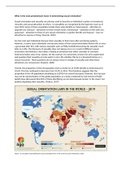
Figure 1 is choropleth map detailing the sexual orientation laws in the world as of 2019 (Wareham, 2020).
, In addition, as seen in Figure 1, it remains illegal and therefore forbidden to identify as part of the
LGBTQ+ in 70 countries globally meaning that still 35% of those living in UN countries cannot legally
participate in same sex unions and relationships. Continued prohibition of same sex relationships
globally has also resulted in 12 countries including Iran, Saudi Arabia, Sudan and Yemen regularly
enforcing the death penalty for such ‘criminal acts’ (Wareham, 2020).
On the contrary many countries currently imposing such draconian laws against LGBTQ+
communities are beginning to evolve their laws. For example, Sudan as a of 2020 has lifted the both
the death penalty and flogging as a punishment for homosexual activity (Savage, 2020). For this
reason the usability of Figure 1’s 2019 data may be compromised due to recent legal changes that
have occurred as a result of pressure groups like Stonewall and OutRage inspiring powerful social
movements. Nevertheless, the changes in laws across the globe to legalise non heterosexual activity
are time consuming with slow progression to towards the humane target of equality. Thus, meaning
although the LGBTQ+ community is increasing on average overall; the rate of increase varies both
temporarily and spatially.
In this essay I will be discussing how factors influencing sexuality have resulted in these changes as
well as assessing which factor is the most predominant in determining an individual’s sexuality. The
factors discussed can be broken down into nurture and nature. Nurture can be demonstrated by
media, social movements ECT and play a large part in determining sexuality. Likewise, the effects of
nature via biological factors like evolution and psychological factors can have a profound effect on
determining sexuality. In addition, the possibility of Other Factors like, if sexuality can be deemed a
choice or how the advances in modern medicine has also played an important role in influencing
individual’s sexuality. The factors investigated are as follows:
Nurture:
Historically:
Non heterosexual activity has been a part of our society, forbidden or not, for as long as we can
remember. As early as 9,600 BCE – 5,000 BCE carvings entailing homosexual activity were discovered
in rock art in Sicily. In 7,000 BCE there were figurines made portraying what was known as the ‘third
sex’ whereby the individual had female breasts with male genetailia or no sexual characteristics at
all. The first public homosexual couple ever identified were Egyptian royal servants, Khnumhotep
and Niankhkhnum in 2400 BCE (Wikipedia Contributors, 2019). Today the depictions shown would
most likely be a welcomed member of the LGBTQ+ community. However, this wasn’t always the
case.
Changes in religious beliefs, decriminalisation and depathologisation:
The Bible specifically states in Leviticus 18:22 ‘man shall not lie with man’. Throughout the holy
scripture ‘unnatural’ homosexual acts were deemed as sinful and labelled as ‘crimes against nature’.
These included sodomy, bestiality and homosexual relations. Due to the widespread and powerful
influence religion had on society it was not surprising that Henry VIII instated the first law against
buggery under the Buggery act, a part of his anticlerical campaign in 1533. His criminalization of such
‘anti church’ behaviour was punishable by death via hanging (Association of Gay & Lesbian
Psychiatrists, 2012). As a result, stigma surrounding homosexual behaviour built and was reinforced
by phycologists and sexologist like Freud suggesting it was due to a ‘disruption in the normal pattern
of childhood development’. However, Freud did not explicitly coin homosexuality as an illness
himself this was the work of other psychologists. Inevitably in 1951 homosexuality appeared in the
DSM I thus officially pathologizing as a mental illness (Heretohelp.bc.ca, 2009). Conversion and
Aversion therapy was designed and thought to change sexual orientation and therefore act as a
‘cure’ for homosexuality. Some of these cures are illustrated in the Netflix American psychological
thriller, Ratched. For example, after being admitted to the Lucia State Hospital in 1948 a homosexual
lady is unwillingly prescribed hydrotherapy. Whereby she is boiled alive for 10 minutes and then
Sexual orientation and sexuality are phrases used to describe an individual’s pattern of emotional,
romantic and sexual attraction to others. 11 sexualities are recognised by the Supreme court as of
June 2020. Some of these sexualities include those who identify as: heterosexual – attraction to
opposite sex, bisexual – attraction to those of both sexes, homosexual – attraction to the same sex,
pansexual – attraction to those of any sexual orientation or gender identity and Asexual – have no
attraction to anyone or thing. (Nazario, 2020)
For the most part individuals discover their sexuality in their teens after and during puberty.
However, in some cases individuals can become aware of their sexual orientation before this or even
a great deal after this, with famous examples such as Philip Scofield discovering his sexuality much
later on in life. The discovery of sexuality does not always occur as a result of different sexual
encounters and intimacy’s but rather a feeling of attraction that either coincides or contrasts
heteronormative view of our society. On the contrary it is extremely common for all to experiment
and question their sexuality at some point in one’s life whether this be in a dreamed fantasy or a
sexual encounter. These questions do not always result in change of sexuality and often these
attractions are not pursued. (Nazario, 2020)
Overall, the proportion of the UK population that currently (as of 2018) identify as heterosexual is
94.6%. This has continued to decrease from 95.3% in 2014. This therefore suggests that the
proportion of the UK population identifying as LGBTQ+ has overall increased. However, this increase
may not be representative of the global population as a study conducted by Yale School of Public
Health have discovered that 83% of those identifying as non-heterosexual remain ‘in the closet’ not
publicly displaying their sexuality. (Poitras, 2019)
Figure 1 is choropleth map detailing the sexual orientation laws in the world as of 2019 (Wareham, 2020).
, In addition, as seen in Figure 1, it remains illegal and therefore forbidden to identify as part of the
LGBTQ+ in 70 countries globally meaning that still 35% of those living in UN countries cannot legally
participate in same sex unions and relationships. Continued prohibition of same sex relationships
globally has also resulted in 12 countries including Iran, Saudi Arabia, Sudan and Yemen regularly
enforcing the death penalty for such ‘criminal acts’ (Wareham, 2020).
On the contrary many countries currently imposing such draconian laws against LGBTQ+
communities are beginning to evolve their laws. For example, Sudan as a of 2020 has lifted the both
the death penalty and flogging as a punishment for homosexual activity (Savage, 2020). For this
reason the usability of Figure 1’s 2019 data may be compromised due to recent legal changes that
have occurred as a result of pressure groups like Stonewall and OutRage inspiring powerful social
movements. Nevertheless, the changes in laws across the globe to legalise non heterosexual activity
are time consuming with slow progression to towards the humane target of equality. Thus, meaning
although the LGBTQ+ community is increasing on average overall; the rate of increase varies both
temporarily and spatially.
In this essay I will be discussing how factors influencing sexuality have resulted in these changes as
well as assessing which factor is the most predominant in determining an individual’s sexuality. The
factors discussed can be broken down into nurture and nature. Nurture can be demonstrated by
media, social movements ECT and play a large part in determining sexuality. Likewise, the effects of
nature via biological factors like evolution and psychological factors can have a profound effect on
determining sexuality. In addition, the possibility of Other Factors like, if sexuality can be deemed a
choice or how the advances in modern medicine has also played an important role in influencing
individual’s sexuality. The factors investigated are as follows:
Nurture:
Historically:
Non heterosexual activity has been a part of our society, forbidden or not, for as long as we can
remember. As early as 9,600 BCE – 5,000 BCE carvings entailing homosexual activity were discovered
in rock art in Sicily. In 7,000 BCE there were figurines made portraying what was known as the ‘third
sex’ whereby the individual had female breasts with male genetailia or no sexual characteristics at
all. The first public homosexual couple ever identified were Egyptian royal servants, Khnumhotep
and Niankhkhnum in 2400 BCE (Wikipedia Contributors, 2019). Today the depictions shown would
most likely be a welcomed member of the LGBTQ+ community. However, this wasn’t always the
case.
Changes in religious beliefs, decriminalisation and depathologisation:
The Bible specifically states in Leviticus 18:22 ‘man shall not lie with man’. Throughout the holy
scripture ‘unnatural’ homosexual acts were deemed as sinful and labelled as ‘crimes against nature’.
These included sodomy, bestiality and homosexual relations. Due to the widespread and powerful
influence religion had on society it was not surprising that Henry VIII instated the first law against
buggery under the Buggery act, a part of his anticlerical campaign in 1533. His criminalization of such
‘anti church’ behaviour was punishable by death via hanging (Association of Gay & Lesbian
Psychiatrists, 2012). As a result, stigma surrounding homosexual behaviour built and was reinforced
by phycologists and sexologist like Freud suggesting it was due to a ‘disruption in the normal pattern
of childhood development’. However, Freud did not explicitly coin homosexuality as an illness
himself this was the work of other psychologists. Inevitably in 1951 homosexuality appeared in the
DSM I thus officially pathologizing as a mental illness (Heretohelp.bc.ca, 2009). Conversion and
Aversion therapy was designed and thought to change sexual orientation and therefore act as a
‘cure’ for homosexuality. Some of these cures are illustrated in the Netflix American psychological
thriller, Ratched. For example, after being admitted to the Lucia State Hospital in 1948 a homosexual
lady is unwillingly prescribed hydrotherapy. Whereby she is boiled alive for 10 minutes and then