A.C (Assessment Criteria) 2.1: Explain the requirements of the crown prosecution
service (CPS) for prosecuting service
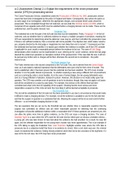
The Crown Prosecution Service, established under the Prosecution of Offences Act 1985, prosecutes criminal
cases that have been investigated by the police in England and Wales. Consequently, they advise the police at
an early stage of an investigation, determine the appropriate charges, and conclude which cases should be
prosecuted. This is completed through the Full code test, set out under the Criminal Justice Act 2003, which is
comprised of two separate tests which must be satisfied before a charging decision can be made. These are the
evidential test, and the public interests’ test.
Evidential Test
The evidential test is the first part of the full code test that must be established. Firstly, Paragraph 4.4 of the full
code test, sets out whether there is ‘sufficient evidence to ensure a ‘realistic’ prospect of conviction, meaning the
CPS are responsible for determining what the defences’ case may be, and how it will affect the prosecution case.
If there is not sufficient evidence, then a conviction will not be possible. The objective test, which states ‘would a
jury, properly directed by the trial judge or magistrates be more likely than not to convict?,’ if answered yes then
the evidential test has been satisfied. It is based upon whether the evidence is credible, and if the CPS consider
it applicable for court; would a reasonable person believe the evidence to be true. The case of Colin Stagg
demonstrates when evidence can be inadmissible in court, referring to the ‘Lizzie’ evidence, where the trial judge
deemed the undercover operation as ‘deceptive conduct of the grossest kind.’ If the case fails this test, it will not
be pursued any further and no charges will be filed, otherwise the second test is considered – the public
interest’s test.
The Public Interest Test
The Public Interest test is the second component to the Full Code Test, and is derived from the James Bulger
case, as it was stated a national importance that the defendants were put to trial for their crime of murder. This
test is established, after it has been proven that the evidential test has been satisfied. The CPS must consider
whether ‘it is in the public interest to prosecute,’ or whether resolving a case using a different form of punishment,
such as a community order is more feasible. As in the case of James Bulger, the two young defendants were
sent to a Young Offender’s Institution, instead of a prison. However, this decision is not made solely upon that
question. The CPS may consider a set of questions to aid in its decision; though, they may not apply to all cases
and will be considered on a case-by-case basis. For example, how serious is the offence that has been
committed and what is the level of culpability of the suspect. Showing that the more serious and more
responsible a suspect is of the crime at hand, the more likely it will be deemed acceptable to prosecute.
The Threshold Test
This test will be established if the full code test has been prevented in use due to circumstances that would make
it difficult to make a charging decision. For example, not all the evidence is available to use for the full code test
and that the suspect in question is a substantial bail risk. Meaning the suspect will be let out and commit further
offences – so an immediate charging decision is vital.
The two questions that are set out by the threshold test are whether there is reasonable suspicion that the
suspect has committed an offence and are there reasonable grounds for believing that the continuing
investigation will provide additional evidence within a reasonable time? If these questions are answered yes, this
can allow the police more time to gather evidence, so the CPS can issue a charging decision. The case of
Damilola Taylor is a case where the CPS used the full code test but relied upon an obvious unreliable witness –
a young girl, who was later shown to have lied about the evidence she had provided. As a result, his case fell
apart, and the offender responsible for the young man’s murder was never apprehended. This is an example of
the CPS failing to apply the Evidential Test. Joan Francisco highlights another case where the CPS fails to
prosecute due to a subjective belief that there is no evidence to convict. After a civil claim was won, the criminal
courts re-examined the evidence, finding missing evidence which then led to the conviction of the boyfriend. If it
was not for the civil case, the CPS may have never prosecuted.
service (CPS) for prosecuting service
The Crown Prosecution Service, established under the Prosecution of Offences Act 1985, prosecutes criminal
cases that have been investigated by the police in England and Wales. Consequently, they advise the police at
an early stage of an investigation, determine the appropriate charges, and conclude which cases should be
prosecuted. This is completed through the Full code test, set out under the Criminal Justice Act 2003, which is
comprised of two separate tests which must be satisfied before a charging decision can be made. These are the
evidential test, and the public interests’ test.
Evidential Test
The evidential test is the first part of the full code test that must be established. Firstly, Paragraph 4.4 of the full
code test, sets out whether there is ‘sufficient evidence to ensure a ‘realistic’ prospect of conviction, meaning the
CPS are responsible for determining what the defences’ case may be, and how it will affect the prosecution case.
If there is not sufficient evidence, then a conviction will not be possible. The objective test, which states ‘would a
jury, properly directed by the trial judge or magistrates be more likely than not to convict?,’ if answered yes then
the evidential test has been satisfied. It is based upon whether the evidence is credible, and if the CPS consider
it applicable for court; would a reasonable person believe the evidence to be true. The case of Colin Stagg
demonstrates when evidence can be inadmissible in court, referring to the ‘Lizzie’ evidence, where the trial judge
deemed the undercover operation as ‘deceptive conduct of the grossest kind.’ If the case fails this test, it will not
be pursued any further and no charges will be filed, otherwise the second test is considered – the public
interest’s test.
The Public Interest Test
The Public Interest test is the second component to the Full Code Test, and is derived from the James Bulger
case, as it was stated a national importance that the defendants were put to trial for their crime of murder. This
test is established, after it has been proven that the evidential test has been satisfied. The CPS must consider
whether ‘it is in the public interest to prosecute,’ or whether resolving a case using a different form of punishment,
such as a community order is more feasible. As in the case of James Bulger, the two young defendants were
sent to a Young Offender’s Institution, instead of a prison. However, this decision is not made solely upon that
question. The CPS may consider a set of questions to aid in its decision; though, they may not apply to all cases
and will be considered on a case-by-case basis. For example, how serious is the offence that has been
committed and what is the level of culpability of the suspect. Showing that the more serious and more
responsible a suspect is of the crime at hand, the more likely it will be deemed acceptable to prosecute.
The Threshold Test
This test will be established if the full code test has been prevented in use due to circumstances that would make
it difficult to make a charging decision. For example, not all the evidence is available to use for the full code test
and that the suspect in question is a substantial bail risk. Meaning the suspect will be let out and commit further
offences – so an immediate charging decision is vital.
The two questions that are set out by the threshold test are whether there is reasonable suspicion that the
suspect has committed an offence and are there reasonable grounds for believing that the continuing
investigation will provide additional evidence within a reasonable time? If these questions are answered yes, this
can allow the police more time to gather evidence, so the CPS can issue a charging decision. The case of
Damilola Taylor is a case where the CPS used the full code test but relied upon an obvious unreliable witness –
a young girl, who was later shown to have lied about the evidence she had provided. As a result, his case fell
apart, and the offender responsible for the young man’s murder was never apprehended. This is an example of
the CPS failing to apply the Evidential Test. Joan Francisco highlights another case where the CPS fails to
prosecute due to a subjective belief that there is no evidence to convict. After a civil claim was won, the criminal
courts re-examined the evidence, finding missing evidence which then led to the conviction of the boyfriend. If it
was not for the civil case, the CPS may have never prosecuted.