C1-C5 questions
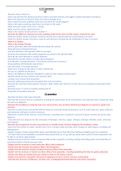
C1
-Describe what a mixture is
-Name and describe the physical processes used to separate mixtures and suggest suitable separation techniques
-Before the discovery of electron what were atoms thought to be
-Who created the plum pudding model and what did it the model suggest ?
-What is the alpha scattering experiment and what are the steps ?
-What were the results of this test ? 3 things
-What was the nucleus called back then ?
-What is the nuclear model and who created it ?
-Describe the difference between the plum pudding model of the atom and the nuclear model of the atom
-State the relative charge of protons, neutrons and electrons and describe the overall charge of an atom
-State the relative masses of protons, neutrons and electrons and describe the distribution of mass in an atom
-What is an isotope
-What is the isotope formula
-Several years later what did scientist discover about the nucleus
-What did James Chadwick discover
-how the elements in the periodic table are arranged
-Describe how elements with similar properties are placed in the periodic table
-describe the early attempts to classify elements:
-what did the scientist Johann .D notice about elements?
-how did john n arrange elements ? what did he call the law of ovtaves?
-what problems did Newlands system have?
-How did Dmitri. M arrange elements
-What were 2 things he did which no other scientist did
-He was so confident he did what….
-What is the difference between Mendeleev’s table and the modern periodic table?
-Identify metals and non-metals on the periodic table,
-compare and contrast their properties
-Describe nobel gases (group 0) and explain their lack of reactivity
-Describe the reactivity and properties of group 1 alkali metals with reference to their electron arrangement and predict their
reactions
-Describe group 7 in terms of melting, boiling and Mr
-Properties of transition elements
C2 question
-Describe the three main types of bonds
-Describe the structure of ionic compounds, including the electrostatic forces of attraction, and represent ionic compounds using
dot and cross diagrams
-Describe the limitations of using dot and cross, ball and stick, two and three-dimensional diagrams to represent a giant ionic
structure
-Describe covalent bonds and identify different types of covalently bonded substances, such as small molecules, large molecules
and substances with giant covalent structures
-Represent covalent bonds between small molecules, repeating units of polymers and parts of giant covalent structures using
diagrams
- Draw dot and cross diagrams for the molecules of hydrogen, chlorine, oxygen, nitrogen, hydrogen chloride, water, ammonia
and methane
-Describe the arrangement of atoms and electrons in metallic bonds and draw diagrams the bonding in metals
-Name the three States of matter, identify them from a simple model and state which changes of state happen at melting and
boiling points
-Explain changes of state using particle theory and describe factors that affect the melting and boiling point of a substance.
- HT ONLY: Discuss the limitations of particle theory Recall what (s), (l), (g) and (aq) mean when used in chemical equations and
be able to use them appropriately
-Explain how the structure of ionic compounds affects their properties, including melting and boiling points and conduction of
electricity (sodium chloride structure only)
-Explain how the structure of small molecules affects their properties
-Explain how the structure of polymers affects their properties
-Explain how the structure of giant covalent structures affects their properties
-Explain how the structure of metals and alloys affects their properties, including explaining why they are good conductors
-Explain why alloys are harder than pure metals in terms of the layers of atoms
-Explain the properties of graphite, diamond and graphene in terms of their structure and bonding
-Describe the structure of fullerenes, and their uses, including Buckminsterfullerene and carbon nanotubes
C1
-Describe what a mixture is
-Name and describe the physical processes used to separate mixtures and suggest suitable separation techniques
-Before the discovery of electron what were atoms thought to be
-Who created the plum pudding model and what did it the model suggest ?
-What is the alpha scattering experiment and what are the steps ?
-What were the results of this test ? 3 things
-What was the nucleus called back then ?
-What is the nuclear model and who created it ?
-Describe the difference between the plum pudding model of the atom and the nuclear model of the atom
-State the relative charge of protons, neutrons and electrons and describe the overall charge of an atom
-State the relative masses of protons, neutrons and electrons and describe the distribution of mass in an atom
-What is an isotope
-What is the isotope formula
-Several years later what did scientist discover about the nucleus
-What did James Chadwick discover
-how the elements in the periodic table are arranged
-Describe how elements with similar properties are placed in the periodic table
-describe the early attempts to classify elements:
-what did the scientist Johann .D notice about elements?
-how did john n arrange elements ? what did he call the law of ovtaves?
-what problems did Newlands system have?
-How did Dmitri. M arrange elements
-What were 2 things he did which no other scientist did
-He was so confident he did what….
-What is the difference between Mendeleev’s table and the modern periodic table?
-Identify metals and non-metals on the periodic table,
-compare and contrast their properties
-Describe nobel gases (group 0) and explain their lack of reactivity
-Describe the reactivity and properties of group 1 alkali metals with reference to their electron arrangement and predict their
reactions
-Describe group 7 in terms of melting, boiling and Mr
-Properties of transition elements
C2 question
-Describe the three main types of bonds
-Describe the structure of ionic compounds, including the electrostatic forces of attraction, and represent ionic compounds using
dot and cross diagrams
-Describe the limitations of using dot and cross, ball and stick, two and three-dimensional diagrams to represent a giant ionic
structure
-Describe covalent bonds and identify different types of covalently bonded substances, such as small molecules, large molecules
and substances with giant covalent structures
-Represent covalent bonds between small molecules, repeating units of polymers and parts of giant covalent structures using
diagrams
- Draw dot and cross diagrams for the molecules of hydrogen, chlorine, oxygen, nitrogen, hydrogen chloride, water, ammonia
and methane
-Describe the arrangement of atoms and electrons in metallic bonds and draw diagrams the bonding in metals
-Name the three States of matter, identify them from a simple model and state which changes of state happen at melting and
boiling points
-Explain changes of state using particle theory and describe factors that affect the melting and boiling point of a substance.
- HT ONLY: Discuss the limitations of particle theory Recall what (s), (l), (g) and (aq) mean when used in chemical equations and
be able to use them appropriately
-Explain how the structure of ionic compounds affects their properties, including melting and boiling points and conduction of
electricity (sodium chloride structure only)
-Explain how the structure of small molecules affects their properties
-Explain how the structure of polymers affects their properties
-Explain how the structure of giant covalent structures affects their properties
-Explain how the structure of metals and alloys affects their properties, including explaining why they are good conductors
-Explain why alloys are harder than pure metals in terms of the layers of atoms
-Explain the properties of graphite, diamond and graphene in terms of their structure and bonding
-Describe the structure of fullerenes, and their uses, including Buckminsterfullerene and carbon nanotubes