Intro to Event Design
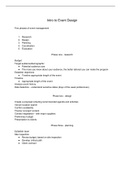
Five phases of event management
1. Research
2. Design
3. Planning
4. Coordination
5. Evaluation
Phase one - research
Budget
Target audience/demographic
● Potential audience size
● The more you know about your audience, the better tailored you can make the program
Establish objectives
● Timeline appropriate length of the event
Timeline
● Appropriate length of the event
Analyze event history
Data Selection - understand sensitive dates (days of the week preferences)
Phase two - design
Create a proposal including recommended agenda and activities
Venue/ location search
Confirm availability
Theme/ concept/ content
Contact negotiation - with major suppliers
Preliminary budget
Presentation to clients
Phase three - planning
Establish team
Site inspection
● Revise budget, based on site inspection
● Develop critical path
● Client contract
, ● Develop the event agenda
● Registration/ invitations, rsvp management
● Sources/contacts suppliers
Confirm contracts
Function. Sheets
On site production schedule
Accomodations
● Near local attractions? Near selected venue?
Special needs are also important to consider:
Special needs are also important to consider:
● Are they form another country?
● Do they have physical limitations
● Language considerations
Phase four- coordination
Cross T’s , Dot I
Function sheets that is handed to all vendors
Back up plans
Risk and crisis management
Phase five - evaluation
Pre and post evaluation
Surveys-survey monkey etc.
ROU (return on investment)
Into
The definition of a special event is an umbrellas term that encompasses all functions that bring
people together for unique purpose
Special events are embedded in:
Meetings
Expositions/trade show
Events and conventions
Amusement parks
Parades/fairs
Weddings/Bar Mitzvahs
Festivals
Public events
Five phases of event management
1. Research
2. Design
3. Planning
4. Coordination
5. Evaluation
Phase one - research
Budget
Target audience/demographic
● Potential audience size
● The more you know about your audience, the better tailored you can make the program
Establish objectives
● Timeline appropriate length of the event
Timeline
● Appropriate length of the event
Analyze event history
Data Selection - understand sensitive dates (days of the week preferences)
Phase two - design
Create a proposal including recommended agenda and activities
Venue/ location search
Confirm availability
Theme/ concept/ content
Contact negotiation - with major suppliers
Preliminary budget
Presentation to clients
Phase three - planning
Establish team
Site inspection
● Revise budget, based on site inspection
● Develop critical path
● Client contract
, ● Develop the event agenda
● Registration/ invitations, rsvp management
● Sources/contacts suppliers
Confirm contracts
Function. Sheets
On site production schedule
Accomodations
● Near local attractions? Near selected venue?
Special needs are also important to consider:
Special needs are also important to consider:
● Are they form another country?
● Do they have physical limitations
● Language considerations
Phase four- coordination
Cross T’s , Dot I
Function sheets that is handed to all vendors
Back up plans
Risk and crisis management
Phase five - evaluation
Pre and post evaluation
Surveys-survey monkey etc.
ROU (return on investment)
Into
The definition of a special event is an umbrellas term that encompasses all functions that bring
people together for unique purpose
Special events are embedded in:
Meetings
Expositions/trade show
Events and conventions
Amusement parks
Parades/fairs
Weddings/Bar Mitzvahs
Festivals
Public events