BIOLOGY PAPER 4 PROCESSES
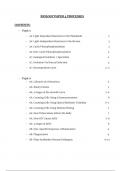
CONTENTS:
- Topic 5
- 5A: Light Dependent Reactions in the Thylakoids 3
- 5A: Light Independent Reactions in the Stroma 3
- 5A: Cyclic Photophosphorylation 3
- 5A: Non-Cyclic Photophosphorylation 4
- 5C: Geological Isolation → Speciation 4
- 5C: Evolution Via Natural Selection 4
- 5C: Decomposition Cycle 4-5
- Topic 6
- 6A: Lifecycle of a Retrovirus 5
- 6A: Binary Fission 5
- 6A: 4 Stages of the Growth Curve 5-6
- 6A: Counting Cells Using a Haemocytometer 6
- 6A: Counting Cells Using Optical Methods: Turbidity 6-7
- 6A: Counting Cells Using Dilution Plating 7
- 6A: How Tuberculosis Infects the Body 7
- 6A: How HIV Causes AIDS 7-8
- 6A: 4 Stages of AIDS 8
- 6B: Non-Specific Response: Inflammation 9
- 6B: Phagocytosis 9
- 6B: Ways Antibodies Destroy Pathogens 9-10
,- 6B: Humoral Response: T Helper Activation Stage 10
- 6B: Humoral Response: Effector Stage 10
- 6B: Cell Mediated Response: T Cell Response 10-11
- 6B: MRSA 11
- 6B: Clostridium Difficile 11
- 6C: Stages of Rigor Mortis 11
- 6C: Stages of Succession After Rigor Mortis 11-12
- 6C: Process of PCR 12-13
- 6C: Production of DNA Profiles 13
,TOPIC 5:
5A: Light Dependent Reactions in the Thylakoids:
1. Light energy excites electrons in chlorophyll to higher energy level in PSII
2. Electrons leave chlorophyll & pass to electron carriers and start going down
electron transport chain through redox reactions
- Energy released from here generates ATP from ADP + Pi
(Photophosphorylation in PSI)
3. Light energy splits H2O into H+, electrons and ½ O2 through photolysis of
water
- Electrons here are used to replace electrons in PSII
- H+ is pumped across membrane using ATP (chemiosmosis) which creates
a CHEMICAL POTENTIAL GRADIENT
4. NADPH is generated from NADP+, H+ & 2e-
5. ATP & NADPH used in Light Independent Reaction
5A: Light Independent Reactions in the Stroma:
1. RuBP (5C) + CO2 (1C) are carbon fixated with the help of RUBISCO enzyme
2. Produces unstable 6C compound before being catalysed to 2 x 3C GP compound
3. 2 x ATP & 2 x NADPH reduces GP -> GALP (another 2 x 3C compound)
4. 6 cycles of Calvin Cycle = 1 molecule GLUCOSE (1/6 of GALP is used for
GLUCOSE)
- GLUCOSE then converted to LIPIDS; AMINO ACIDS; NUCLEIC ACIDS
5. 5/6 of GALP regenerates RuBP with help of 1 x ATP
5A: Cyclic Photophosphorylation:
1. Light excites electrons to a higher level in PSI (P700 chlorophyll)
2. Travels down electron transport chain using electron carriers through redox
reactions
3. Energy released from these forms ATP from ADP + Pi
4. Electron is recycled back to PSI & process repeats
, 5A: Non-Cyclic Photophosphorylation:
1. Light energy hits chlorophyll & excites electrons to a higher level from PSII
2. Electrons travel down electron transport chain through carriers to PSI & lose
energy through redox reactions
3. Energy from here allows the formation of ATP
4. PHOTOLYSIS OF WATER occurs & used to replace 2e- lost in PSII
5. H+ & e- allows NADP+ -> NADPH
6. ATP + NADPH is used in Light Independent Reactions
5C: Geological Isolation → Speciation:
1. Geographical features split previously interbreeding population... AKA.
REPRODUCTIVE ISOLATION
2. Isolated populations accumulate different chance mutations
3. The 2 groups are exposed to different chance mutations
4. By natural selection, organisms with beneficial alleles survive for longer,
reproduce more & pass down these alleles
5. Over time, genetic differences between populations accumulate
- They can't interbreed or produce fertile offspring; they are separate
species
5C: Evolution Via Natural Selection:
1. Pre-existing mutation in population
2. Environment changes so new selection pressures are added
3. Organisms with useful allele for new environment, survive & reproduce
4. Alleles are passed on to their offspring
5. Beneficial alleles increase in frequency throughout the population
- Allows for higher chance in survival
5C: Decomposition Cycle:
1. Inorganic ions released by decomposition into the soil
2. Inorganic ions assimilated by plants
3. Carbon is taken in by decomposers & released into the atmosphere as they
respire
4. CO2 is taken in by plants via PHOTOSYNTHESIS; CARBON is turned to BIOMASS
5. Biomass moves through the food chain as plants are eaten by animals
CONTENTS:
- Topic 5
- 5A: Light Dependent Reactions in the Thylakoids 3
- 5A: Light Independent Reactions in the Stroma 3
- 5A: Cyclic Photophosphorylation 3
- 5A: Non-Cyclic Photophosphorylation 4
- 5C: Geological Isolation → Speciation 4
- 5C: Evolution Via Natural Selection 4
- 5C: Decomposition Cycle 4-5
- Topic 6
- 6A: Lifecycle of a Retrovirus 5
- 6A: Binary Fission 5
- 6A: 4 Stages of the Growth Curve 5-6
- 6A: Counting Cells Using a Haemocytometer 6
- 6A: Counting Cells Using Optical Methods: Turbidity 6-7
- 6A: Counting Cells Using Dilution Plating 7
- 6A: How Tuberculosis Infects the Body 7
- 6A: How HIV Causes AIDS 7-8
- 6A: 4 Stages of AIDS 8
- 6B: Non-Specific Response: Inflammation 9
- 6B: Phagocytosis 9
- 6B: Ways Antibodies Destroy Pathogens 9-10
,- 6B: Humoral Response: T Helper Activation Stage 10
- 6B: Humoral Response: Effector Stage 10
- 6B: Cell Mediated Response: T Cell Response 10-11
- 6B: MRSA 11
- 6B: Clostridium Difficile 11
- 6C: Stages of Rigor Mortis 11
- 6C: Stages of Succession After Rigor Mortis 11-12
- 6C: Process of PCR 12-13
- 6C: Production of DNA Profiles 13
,TOPIC 5:
5A: Light Dependent Reactions in the Thylakoids:
1. Light energy excites electrons in chlorophyll to higher energy level in PSII
2. Electrons leave chlorophyll & pass to electron carriers and start going down
electron transport chain through redox reactions
- Energy released from here generates ATP from ADP + Pi
(Photophosphorylation in PSI)
3. Light energy splits H2O into H+, electrons and ½ O2 through photolysis of
water
- Electrons here are used to replace electrons in PSII
- H+ is pumped across membrane using ATP (chemiosmosis) which creates
a CHEMICAL POTENTIAL GRADIENT
4. NADPH is generated from NADP+, H+ & 2e-
5. ATP & NADPH used in Light Independent Reaction
5A: Light Independent Reactions in the Stroma:
1. RuBP (5C) + CO2 (1C) are carbon fixated with the help of RUBISCO enzyme
2. Produces unstable 6C compound before being catalysed to 2 x 3C GP compound
3. 2 x ATP & 2 x NADPH reduces GP -> GALP (another 2 x 3C compound)
4. 6 cycles of Calvin Cycle = 1 molecule GLUCOSE (1/6 of GALP is used for
GLUCOSE)
- GLUCOSE then converted to LIPIDS; AMINO ACIDS; NUCLEIC ACIDS
5. 5/6 of GALP regenerates RuBP with help of 1 x ATP
5A: Cyclic Photophosphorylation:
1. Light excites electrons to a higher level in PSI (P700 chlorophyll)
2. Travels down electron transport chain using electron carriers through redox
reactions
3. Energy released from these forms ATP from ADP + Pi
4. Electron is recycled back to PSI & process repeats
, 5A: Non-Cyclic Photophosphorylation:
1. Light energy hits chlorophyll & excites electrons to a higher level from PSII
2. Electrons travel down electron transport chain through carriers to PSI & lose
energy through redox reactions
3. Energy from here allows the formation of ATP
4. PHOTOLYSIS OF WATER occurs & used to replace 2e- lost in PSII
5. H+ & e- allows NADP+ -> NADPH
6. ATP + NADPH is used in Light Independent Reactions
5C: Geological Isolation → Speciation:
1. Geographical features split previously interbreeding population... AKA.
REPRODUCTIVE ISOLATION
2. Isolated populations accumulate different chance mutations
3. The 2 groups are exposed to different chance mutations
4. By natural selection, organisms with beneficial alleles survive for longer,
reproduce more & pass down these alleles
5. Over time, genetic differences between populations accumulate
- They can't interbreed or produce fertile offspring; they are separate
species
5C: Evolution Via Natural Selection:
1. Pre-existing mutation in population
2. Environment changes so new selection pressures are added
3. Organisms with useful allele for new environment, survive & reproduce
4. Alleles are passed on to their offspring
5. Beneficial alleles increase in frequency throughout the population
- Allows for higher chance in survival
5C: Decomposition Cycle:
1. Inorganic ions released by decomposition into the soil
2. Inorganic ions assimilated by plants
3. Carbon is taken in by decomposers & released into the atmosphere as they
respire
4. CO2 is taken in by plants via PHOTOSYNTHESIS; CARBON is turned to BIOMASS
5. Biomass moves through the food chain as plants are eaten by animals