ATI TEAS ANATOMY & PHYSIOLOGY - ALL SECTIONS EXAM PREP
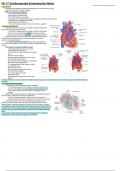
ATI TEAS ANATOMY & PHYSIOLOGY - ALL SECTIONS EXAM PREP. This is a complete and an all-inclusive guide to ATI TEAS ANATOMY & PHYSIOLOGY - ALL SECTIONS EXAM PREP. TISSUES: Group of CELLS. Muscle, Nerve, Epithelial, Connective. 1. Epithelial: (joined together tightly) Example. Skin 2. Connective: (dense, loose, or fatty) Example. Tissue, Cartilage, Tendons, Ligaments, Fat, Blood, Lymph. Prepared by Zack Johnson It protects and binds body parts. a. Cartilage: cushions and provides structural support Fibrous b. Blood: transport oxygen to cells and removes waste. Also carries hormones and defends against disease. c. Bone: (hard) produces red blood cells 3. Muscle: supports and move body Smooth Cardiac Skeletal 4. Nervous: Example. Brain, spinal cord, and nerves. Neurons: control responses to changes in environment. Mitosis - it has 4 phases. Pink MAT / Prophase, Metaphase, Anaphase, Telophase Interphase - Cell prepares for division by replicating genetic/cytoplasmic material. Prophase - Chromatin thickens into chromosomes and the nuclear membrane begins to disintegrate. Pairs of centrioles move to opposite sides of cell and spindle fibers form. Metaphase - Spindle moves to center of cell and chromosome pairs align along center of spindle structure. Anaphase - Chromosome pairs pull apart into daughter chromosomes. Telophase - Spindle disintegrates, nuclear membrane reforms or is pinched. Cytokinesis - Physical splitting of cell. Meiosis- same as mitosis except happens twice, results in four daughter cells instead of two. Mature haploid male and female germ cell uniting in sexual reproduction. Gametes in female = Egg Gametes in Male = Sperm Meiosis is when gametes produce a zygote. Zygote: controls cell differentiation. It forms during fertilization. The cells from each parent that combine to form a zygote are called gametes. Zygote is the first stage of reproduction. 1. Respiratory System main functions are the critical tasks of transporting oxygen from the atmosphere into the body’s cell and moving carbon dioxide in the other direction. Nasal Cavity - air passage that warms, moistens, and filters air, and also contains olfactory receptors. Medially divided by the nasal septum. Prepared by Zack Johnson External Nares - the visible ‘nostrils’ that are the entrances into the nasal cavity The Larynx - air passage that connects the pharynx to the trachea, composed of individual cartilages, mostly hyaline. Commonly called the voice box for its additional function of voice production. Epiglottis - the only elastic cartilage, blocks entrance to the larynx during swallowing, ensuring food only enters the esophagus. Lungs - Paired organs that are highly compartmentalized into small air sacs called alveoli. Also contain elastic tissue to facilitate ventilation. Alveoli – the individual lung compartments where gas exchange with blood occurs. Type 2 cells - cuboidal cells that secrete surfactant, which reduces the surface tension of water to prevent alveolar collapse. Bronchi – the main passageways directly attached to the lungs. Bronchioles- small passages in the lungs that connect bronchi to alveoli Right Lung - divided into upper, middle, and lower lobes by the horizontal fissure and oblique fissure respectively. Left Lung - divided into upper and lower lobes by the oblique fissure, also has the cardiac notch – an indentation for the heart’s apex. The Pleurae - a double layer of serous membrane producing serous fluid to reduce friction during lung ventilation/movement. • Visceral pleura - the serous membrane layer that clings to the lung surface. • Parietal pleura - the serous membrane that is separated from the lungs, clings to the internal surface of the thoracic body wall. • Pleural cavity - the space between the parietal and visceral layers filled with serous fluid, which reduces friction and causes pleural membranes to stick together. Perfusion- The passage of fluid to an organ or a tissue. Prepared by Zack Johnson Pulmonary Ventilation - the movement of air into and out of the lungs based on the interactions of pressures in and around the body. • Inspiration - the movement of air into the lungs. • Expiration - the movement of air out of the lungs. Tidal volume - The volume of air ventilated during resting breathing. Inspiratory reserve volume - additional air that can be forcefully inhaled beyond tidal. Expiratory reserve volume - additional air that can be forcefully exhaled beyond tidal. Residual volume - volume of air always in lungs, prevents lung collapse. Medulla Oblongata- the breathing control centers of the medulla oblongata of the brainstem control respiration through monitoring carbon dioxide levels of blood pH. Asthma- A lung disease characterized by inflamed narrowed airways and difficulty breathing. Cystic Fibrosis – A genetic disorder affects the lungs and other organs characterized by difficulty breathing coughing up sputum and lung infections. 2. Cardiovascular System Heart • Location- in the mediastinum of thoracic cavity. • Function- generates pressure to pump blood through circulatory system • Orientation- flat base is directed toward higher right shoulder, and pointed apex points to left hip
Escuela, estudio y materia
- Institución
- Chamberlain College Of Nursing
- Grado
- ATI TEAS ANATOMY AND PHYSIOLOGY (ATITEAS)
Información del documento
- Subido en
- 1 de agosto de 2022
- Número de páginas
- 45
- Escrito en
- 2022/2023
- Tipo
- Examen
- Contiene
- Preguntas y respuestas
Temas
-
ati teas
-
ati teas anatomy
-
physiology
-
ati teas anatomy and physiology
-
ati teas anatomy and physiology all sections exam prep