,
,
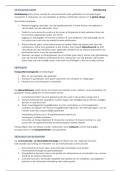
The legal position of the
insolvent
1. Introduction
Presumed from here out - a sequestration order has been granted
(voluntarily or compulsory doesn't matter)
Assumed that all requirements have been met
Sequestration of estate curtails certain things
1. Contract-making
2. Earning a livelihood
3. Legal proceedings
4. Holding office
⏬
2. Contracting
2.1. Prohibited contracts
General
Contractual capacity is restricted to a certain degree — s23(2) of IA
Generally - IA doesn't deprive a debtor of their contractual capacity,
generally speaking
Therefore, general competency to make binding agreements
But, there are restrictions in terms of s23(2) to provide a safeguard to
creditors
**WL Carroll & Co v Ray Hall Motors 1975
Facts:
The legal position of the insolvent 1
, Appellant, chartered accountant, instituted an action for
payment of R1000 due in respect of services rendered by the
respondent
LQ:
(dealt with later)
Courts:
Confirms the position of S23(2)
Section 23(2) of Insolvency Act
Section 23(2)
So s23(2) says that the fact that a person enters into any contract
with the insolvent won’t be affected by the validity provided it wasn’t
done to dispose property from the insolvent estate AND provided
there is no contract regarding any contribution towards the estate
which they are obliged or is likely to be adversely effected
Subject to subsection 1 of s24
NB
Generally an insolvent can enter into a contract
But there are certain contracts that they are not allowed to enter
into
3 prohibited contracts
Falls within the provisos of s23(2)
Contracts
Illustration
The legal position of the insolvent 2
,
The legal position of the
insolvent
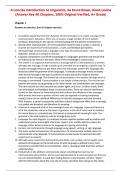
1. Introduction
Presumed from here out - a sequestration order has been granted
(voluntarily or compulsory doesn't matter)
Assumed that all requirements have been met
Sequestration of estate curtails certain things
1. Contract-making
2. Earning a livelihood
3. Legal proceedings
4. Holding office
⏬
2. Contracting
2.1. Prohibited contracts
General
Contractual capacity is restricted to a certain degree — s23(2) of IA
Generally - IA doesn't deprive a debtor of their contractual capacity,
generally speaking
Therefore, general competency to make binding agreements
But, there are restrictions in terms of s23(2) to provide a safeguard to
creditors
**WL Carroll & Co v Ray Hall Motors 1975
Facts:
The legal position of the insolvent 1
, Appellant, chartered accountant, instituted an action for
payment of R1000 due in respect of services rendered by the
respondent
LQ:
(dealt with later)
Courts:
Confirms the position of S23(2)
Section 23(2) of Insolvency Act
Section 23(2)
So s23(2) says that the fact that a person enters into any contract
with the insolvent won’t be affected by the validity provided it wasn’t
done to dispose property from the insolvent estate AND provided
there is no contract regarding any contribution towards the estate
which they are obliged or is likely to be adversely effected
Subject to subsection 1 of s24
NB
Generally an insolvent can enter into a contract
But there are certain contracts that they are not allowed to enter
into
3 prohibited contracts
Falls within the provisos of s23(2)
Contracts
Illustration
The legal position of the insolvent 2