Critical Thinking Cards For ATI Proctored Exam (Solved)
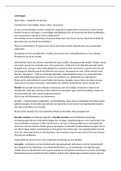
Critical Thinking Cards For ATI Proctored Exam (Solved)/ Critical Thinking Cards For ATI Proctored Exam (Solved) 1. describe critical thinking in nursing: CT is an active, orderly, well thought-out reasoning process that guides a nurse in various approaches to making a nursing judgement. (use knowledge, experience, problem-solving, logic, reasoning and decision making.) 2. name the components of critical thinking: knowledge, experience, critical thinking competencies, attitudes, and intellectual and professional standards. 3. Critical thinking evolves through 3 levels. Name the 3 levels: Basic Complex Commitment 4. Reflection: purposefully thinking back or recalling a situation to discover its meaning and gain insight into the event. 5. Language's role in CT: Clear, concise language demonstrates focused thinking and communicating unambiguous messages and expectations. 6. Intuition: Inner sensing that something is so Intuition should spark the nurse to search the data to confirm or disprove the feeling. 7. Basic CT: Trust the experts Results from limited knowledge and experience and inadequate CT experience. 8. Complex CT: Beginning to express autonomy by analyzing and examining data Results from an increase in nursing knowledge, experience, intuition, and more flexible attitudes. 9. Commitment CT: the nurse expects to make choices without the help from others and fully assumes responsibility for those choices. Results from expert level of knowledge, experience, developed intuition and reflec- tive, flexible attitudes. 10. Knowledge component of CT: info specific for nursing Basic nursing education Continuing Education Advanced degrees and certifications 11. Experience component of CT: Decision-making ability derived from opportu- nities to observe, sense, and interact with clients followed by active reflection. Understand clinical situations Recognizes and analyze cues for relevance Incorporates experience into intuition 12. Competence component of CT: Cognitive processes a nurse uses to make nursing judgements. 13. Name CT Skills used in Assessment/Data Collection: Observe Use correct technique Differentiate between relevant and irrelevant data Organize, validate, categorize data Interpret assessment data and draw a conclusion Purpose-identify needs and identify additional data to collect based on findings. 14. CT Skills used in Analysis/Data Collection (Diagnose): Identify clusters and cues Detect inferences Recognize an actual or potential problem or risk Avoid making judgements Purpose-interpret collected data and diagnose and provide direction for nursing care. 15. CT Skills used in Planning: Identify goals and outcomes Set Priorities Determine Appropriate strategies and interventions for plan of care and teaching take knowledge and apply it to more than one situation. Create Outcome criteria Theorize Consider the consequences of implementation Purpose - Establish priorities and outcomes of care to measure and evaluate. Then, select nursing interventions to inc. in plan of care. 16. CT skills used in Implementation: Use Knowledge base. Use appropriate skills/teaching strategies Test theories Delegate and supervise nursing care Communicate appropriately in response to a situation Purpose - Provide care based on assessment data, analysis, and the plan of care. 17. CT skills used in Evaluation: Determine accuracy of theories Evaluate outcomes based on scientific criteria Determine understanding of teaching Purpose-Examine a clients response to nursing interventions and form a clinical judgement about meeting goals and outcomes. 18. CT Attitudes: Confidence Independence Fairness Responsibility Risk Taking Discipline Perseverance Creativity Curiosity Integrity Humility 19. Confidence: Feels sure of abilities 20. Independence: Analyzes ideas for logical reasonin 21. Fairness: Is objective, nonjudgemental 22. Responsibility: Adheres to standards of practice 23. Risk Taking: Takes calculated chances in finding better solutions to problems. 24. Discipline: Develops a systematic approach to thinking 25. Perseverance: Continues to work at a problem until there's a resolution 26. Creativity: Uses imagination to find solutions to unique client problems. 27. Curiosity: Requires more information about clients and problems 28. Integrity: Practices truthfully and ethically 29. Humility: Acknowledges weaknesses. 30. Standards: Model for comparing care to determine acceptability, excellence, and appropriateness. 31. Intellectual Standards: ensure the thorough application of CT. 32. Professional Standards: Nursing judgement based on ethical criteria Evaluation that relies on EBP Demonstration of professional responsibility 33. Diagnostic Reasoning: process of using the data you gather, forming infer- ences, and then logically explaining a clinical judgement. Series of clinical judgements that result in informal or formal diagnoses. 34. Clinical Decision Making: End point of critical thinking that leads to problem resolution. Selecting appropriate treatment after forming diagnostic conclusions. Choosing the options for the best pt outcomes. 35. scientific method: Foundation for research. Process that moves from observable facts from an experience to a reasonable explanation of those facts. 36. Overall Critical Thinking Skills: Interpretation Analysis Inference Evaluation Explanation Self-Regulation
Escuela, estudio y materia
- Institución
- Kaplan University
- Grado
- Nursing
Información del documento
- Subido en
- 8 de junio de 2022
- Número de páginas
- 5
- Escrito en
- 2021/2022
- Tipo
- Examen
- Contiene
- Preguntas y respuestas
Temas
-
critical thinking cards for ati proctored exam solved