Outcome #
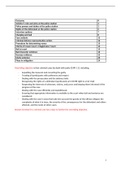
Solicitor’s role and aims at the police station 2
Police powers and duties at the police station 2
Rights of the defendant at the police station 6
Interview options 7
Charging and bail 8
Case analysis 12
Criminal defence representation orders 12
Procedure for determining venue 13
Merits of Crown Court v Magistrates’ Court 14
Bail at court 15
Bad character evidence 16
Hearsay evidence 22
Likely sentence 26
Pleas in mitigation 29
Overriding objective is that criminal cases be dealt with justly [CrPR 1.1], including:
- Acquitting the innocent and convicting the guilty
- Treating all participants with politeness and respect
- Dealing with the prosecution and the defence fairly
- Recognising the rights of a defendant (particularly art.6 ECHR right to a fair trial)
- Respecting the interests of witnesses, victims, and jurors and keeping them informed of the
progress of the case
- Dealing with the case efficiently and expeditiously
- Ensuring that appropriate information is available to the court when bail and sentence are
considered
- Dealing with the case in ways that take into account the gravity of the offence alleged, the
complexity of what it in issue, the severity of the consequences for the defendant and others
affected, and the needs of other cases
Anyone involved in a criminal case has a duty to further the overriding objective.
1
,Solicitor’s role and aims at the police station1
Aims:
- Act in the best interest of the client
- Assess the police case
- Advising clients where they have options
Meeting custody officer
- See custody record and detention log as soon as possible [PACE Code C 2.4]
- Grounds for detention and detention review periods
- Information relating to the health and vulnerability of the client
- Contents of his pockets, etc
- Was anything found when he was arrested?
Custody record content:2
- Suspect’s name, address, telephone number, date of birth and occupation
- The offence for which the suspect has been arrested and why the arresting officer
considered it necessary to arrest [Code G, 4.3]
- Time of the suspect’s arrest and the time of his arrival at the police station
- The reason why the suspect’s ongoing detention at the police station has been authorised by
the custody officer
- The time such detention was authorised
- Confirmation that the suspect has been given details of the rights he may exercise
- Whether the suspect has requested legal advice
- Details of the items of property the suspect has on his person
- Details of any medical conditions the suspect has
- Any comment made by the suspect in relation to the account given by the arresting officer of
the reasons for the arrest [Code C, 3.4]
Meeting investigating officer
- Facts of allegation
- Evidence? Otherwise we will advise a ‘no comment’ interview [Code C 11.1A]
o Often evidence is given in a written disclosure statement
- Significant statements/silences made by the claimant
Police powers and duties at the police station
Is there sufficient evidence to charge the suspect?
- The custody officer must determine this [s 37(1)] after consulting with the investigating
officer (usually in the presence of the suspect)
- The custody officer should not ask any questions of the suspect about his involvement in any
offence [Code C, 3.4]
1
75
2
34
2
, Grounds of detention3
- If there is not sufficient evidence to charge a suspect immediately, the suspect should be
released either on bail or without bail, unless:
o The custody officer has reasonable grounds for believing that detaining the suspect
without charge is necessary to secure or preserve evidence relating to an offence for
which he is under arrest; or
o It is necessary to obtain such evidence by questioning [s 37(2)]
- If the custody officer becomes aware at any time that the grounds on which a suspect’s
detention was authorised have ceased to apply, and that no other grounds exist to justify his
continued detention, the suspect must be released immediately [s 39]
Conditions of detention:4
- Cell:
o Adequately heated, cleaned, ventilated and lit [Code C, 8.2]
o Bedding must be of a reasonable standard and in clean and sanitary condition [Code
C, 8.3]
o Access to toilet and washing facilities [Code C, 8.4]
- Refreshments:
o Offered at least two light meals and one main meal in any 24-hour period [Code C,
8.6]
o Drinks must be provided at meal times and upon reasonable request between meals
[Code C, 8.6]
o Offered brief outdoor exercise daily if this is practicable [Code C, 8.7]
- Monitoring:
o Suspects should be visited in their cells at least every hour [Code C, 9.3]
o Ensure that the suspect receives appropriate clinical attention as soon as reasonably
practicable if unwell [Code C, 9.5 and 9.5A / Annexes G and H]
- Detention reviews:5
o Carried out by an officer of at least the rank of inspector who is not directly involved
in the investigation [s 40(2)(b)] – the review officer
o The first review must take place no later than six hours after the custody officer first
authorised the detention
o The second review must take place no later than nine hours after the first review
o Subsequent reviews must take place at interviews of not more than nine hours
Periods of detention:6
- Initial maximum period
o A person shall not be kept in police detention for more than 24 hours without being
charged [s 41]
o This 24-hour period begins from the relevant time:
A person attending voluntarily – the time of his arrest [s 41(2)(c)]
A person answering ‘street bail’ – the time when he arrives at the police
station [s 41(2)(ca)]
3
36
4
36
5
39
6
36
3
Solicitor’s role and aims at the police station 2
Police powers and duties at the police station 2
Rights of the defendant at the police station 6
Interview options 7
Charging and bail 8
Case analysis 12
Criminal defence representation orders 12
Procedure for determining venue 13
Merits of Crown Court v Magistrates’ Court 14
Bail at court 15
Bad character evidence 16
Hearsay evidence 22
Likely sentence 26
Pleas in mitigation 29
Overriding objective is that criminal cases be dealt with justly [CrPR 1.1], including:
- Acquitting the innocent and convicting the guilty
- Treating all participants with politeness and respect
- Dealing with the prosecution and the defence fairly
- Recognising the rights of a defendant (particularly art.6 ECHR right to a fair trial)
- Respecting the interests of witnesses, victims, and jurors and keeping them informed of the
progress of the case
- Dealing with the case efficiently and expeditiously
- Ensuring that appropriate information is available to the court when bail and sentence are
considered
- Dealing with the case in ways that take into account the gravity of the offence alleged, the
complexity of what it in issue, the severity of the consequences for the defendant and others
affected, and the needs of other cases
Anyone involved in a criminal case has a duty to further the overriding objective.
1
,Solicitor’s role and aims at the police station1
Aims:
- Act in the best interest of the client
- Assess the police case
- Advising clients where they have options
Meeting custody officer
- See custody record and detention log as soon as possible [PACE Code C 2.4]
- Grounds for detention and detention review periods
- Information relating to the health and vulnerability of the client
- Contents of his pockets, etc
- Was anything found when he was arrested?
Custody record content:2
- Suspect’s name, address, telephone number, date of birth and occupation
- The offence for which the suspect has been arrested and why the arresting officer
considered it necessary to arrest [Code G, 4.3]
- Time of the suspect’s arrest and the time of his arrival at the police station
- The reason why the suspect’s ongoing detention at the police station has been authorised by
the custody officer
- The time such detention was authorised
- Confirmation that the suspect has been given details of the rights he may exercise
- Whether the suspect has requested legal advice
- Details of the items of property the suspect has on his person
- Details of any medical conditions the suspect has
- Any comment made by the suspect in relation to the account given by the arresting officer of
the reasons for the arrest [Code C, 3.4]
Meeting investigating officer
- Facts of allegation
- Evidence? Otherwise we will advise a ‘no comment’ interview [Code C 11.1A]
o Often evidence is given in a written disclosure statement
- Significant statements/silences made by the claimant
Police powers and duties at the police station
Is there sufficient evidence to charge the suspect?
- The custody officer must determine this [s 37(1)] after consulting with the investigating
officer (usually in the presence of the suspect)
- The custody officer should not ask any questions of the suspect about his involvement in any
offence [Code C, 3.4]
1
75
2
34
2
, Grounds of detention3
- If there is not sufficient evidence to charge a suspect immediately, the suspect should be
released either on bail or without bail, unless:
o The custody officer has reasonable grounds for believing that detaining the suspect
without charge is necessary to secure or preserve evidence relating to an offence for
which he is under arrest; or
o It is necessary to obtain such evidence by questioning [s 37(2)]
- If the custody officer becomes aware at any time that the grounds on which a suspect’s
detention was authorised have ceased to apply, and that no other grounds exist to justify his
continued detention, the suspect must be released immediately [s 39]
Conditions of detention:4
- Cell:
o Adequately heated, cleaned, ventilated and lit [Code C, 8.2]
o Bedding must be of a reasonable standard and in clean and sanitary condition [Code
C, 8.3]
o Access to toilet and washing facilities [Code C, 8.4]
- Refreshments:
o Offered at least two light meals and one main meal in any 24-hour period [Code C,
8.6]
o Drinks must be provided at meal times and upon reasonable request between meals
[Code C, 8.6]
o Offered brief outdoor exercise daily if this is practicable [Code C, 8.7]
- Monitoring:
o Suspects should be visited in their cells at least every hour [Code C, 9.3]
o Ensure that the suspect receives appropriate clinical attention as soon as reasonably
practicable if unwell [Code C, 9.5 and 9.5A / Annexes G and H]
- Detention reviews:5
o Carried out by an officer of at least the rank of inspector who is not directly involved
in the investigation [s 40(2)(b)] – the review officer
o The first review must take place no later than six hours after the custody officer first
authorised the detention
o The second review must take place no later than nine hours after the first review
o Subsequent reviews must take place at interviews of not more than nine hours
Periods of detention:6
- Initial maximum period
o A person shall not be kept in police detention for more than 24 hours without being
charged [s 41]
o This 24-hour period begins from the relevant time:
A person attending voluntarily – the time of his arrest [s 41(2)(c)]
A person answering ‘street bail’ – the time when he arrives at the police
station [s 41(2)(ca)]
3
36
4
36
5
39
6
36
3