MDC3_exam_questions and answers
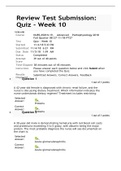
1.) Immediate treatment of epistaxis would a. administration of supplemental oxygen b. cauterizing of nasal mucosa c. compression of the nares d. fluid and blood replacement Response Feedback: Initial and immediate care for epistaxis is compression of the nares. 2.) When a client is being treated for epistaxis, which protective equipment is NOT recommended for the nurse to wear? a. gown b. face mask or goggles c. dust mask d. gloves only Response Feedback: Epistaxis requires the use of standard or universal precautions to prevent exposure to blood-borne pathogens. Protective equipment includes the use of gloves, goggles or face mask, and gown. 3.) The nurse knows that laryngitis is most often caused by which of the following. a. stomach acid b. virus c. bacteria d. cigarette smoke Response Feedback: Laryngitis is an inflammation or swelling of the larynx (voice box). The voice of someone with laryngitis will often sound hoarse or raspy. Since laryngitis is most commonly viral, antibiotics may not help. Other causes include excessive use of the voice, bacterial infections, or irritation to the vocal cords (cigarette smoke, stomach acid). Laryngitis is often associated with an upper respiratory infection. Resting the voice to decrease inflammation of the vocal folds, administering analgesics to provide pain relief, and using a humidifier are common treatments. 4.) Which of the following is a risk factor for developing cancer of the larynx? a. obesity b. chronic respiratory tract infection c. heredity d. alcohol abuse Response Feedback: Both lung and laryngeal cancers are closely related to smoking tobacco products. Air pollution and exposure to carcinogens also contribute to the development of lung cancer, chronic alcohol abuse, chronic laryngitis, and vocal overuse also contribute to the development of laryngeal cancer. 5.) A client who had a laryngectomy will be discharged soon. Which of the following approaches would BEST provide the nurse with necessary information about support and home care? a. “You will be requiring some assistance when you go home, so I have called our social worker to talk to you later today and help you coordinate your needs.” b. “Who do you have at home to help you once you are discharged?” c. “Will you have enough help at home when you are discharged?” d. “Can you give me the number of the person who will be assisting you when you are discharged?” Response Feedback: Nursing care of clients undergoing surgery for lung cancer focuses on monitoring respiratory status, providing pain relief, and supporting the client and family in dealing with the diagnosis and treatment. For clients who have a laryngectomy, maintaining communication is the major focus; the client and family also need instruction as to care of the stoma. 6.) Risk factors for the development of pneumonia include which of the following? a. hospitalization for another diagnosis b. children under age 10 with chronic conditions such as cystic fibrosis c. advanced age and immobility d. dehydration and enteral feedings Response Feedback: Pneumonia, which is inflammation of the bronchioles and alveoli accompanied by consolidation of exudate in the lungs, is caused by various infectious agents such as bacteria, viruses, mycoplasmas, or fungi; by chemical exposure; by parasites; and by aspiration, over sedation, or inadequate ventilation or by advanced age and immobility. 7.) Pharmacological treatment of active TB consists of: a. intravenous (IV) antibiotics and isolation for a period of 2 weeks b. a 6-month regime of isoniazid, rifampin, and pyrazinamide c. a combination of IV and oral antibiotics for a period of 1 to 2 weeks d. a 6-week regime of isoniazid, rifampin, and pyrazinamide Response Feedback: Medical management for active TB is primarily pharmacological, with a combination of medications prescribed for defined time periods, such as a 6- month regime of isoniazid, rifampin, and pyrazinamide. 8.) The condition in which the airways of the alveoli lose their elasticity, impeding air flow and trapping air in distal alveoli, is called: a. chronic bronchitis
Escuela, estudio y materia
- Institución
- Rasmussen College
- Grado
- Multidimensional Care Nursing III/ NUR 2502MDC3/ Rasmussen 2021
Información del documento
- Subido en
- 19 de abril de 2022
- Número de páginas
- 8
- Escrito en
- 2022/2023
- Tipo
- Examen
- Contiene
- Preguntas y respuestas
Temas
-
a administration of supplemental oxygen b cauterizing of nasal mucosa c compression of the nares d fluid and blood replacement response feedback initial and immediate care for epistaxis is compr