Summary NURS 601 Pharm-Neurological Meds Test Bank
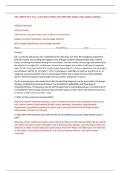
Nursing Considerations, priority assessments, signs and symptoms, risk factors and labs for: Bile duct obstruction/Gallbladder issues/Cholecystitis – epigastric distress, discomfort, fever, N&V, tender upper right quad. NCs: decrease fried or fatty foods. RF: over 40 especially women, obesity, gastric bypass, cystic fibrosis, frequent wt changes Advance cirrhosis – normal tiss replaced with fibrotic d/t damaged liver cells. Assess: precipitating factors(LT alcohol use), dietary, mental status changes. SS: distention, bloating, GI bleeding, bruising, wt changes. NCs promote rest, skin care, reduce risk of hemorrhage, fluid excess and hepatic enceph Hashimoto’s – (hypothyroidism) SS: Wt gain, dry skin, nonpitting edema, tired, feeling drained, brady, cold intolerance, constipation, course hair with loss of eyebrows, carpel tunnel syndrome, pleural and pericardial effusion NCs: body image issues so encourage/counsel Assess: vitals, cognition, prevent med interactions, promote function RF: radiation from head or neck, hyperthy treatment Addison's disease - SS: depression muscle weakness, anorexia, gastrointestinal symptoms, fatigue, emaciation, skin pigmentation changes, hypotension, low blood glucose, hyponatremia, and hyperkalemia RF: removal or infection of ad glands, abrupt cessation of steroid therapy NCs: decrease stress, self-care/Assess: maintain fluid balance Graves' disease – (hyperthy) SS: Infection, wt loss, tremors, tachy, irregular pulse, heat intolerance, frequent BMs, thin hair RF: men NCs: thyrotoxic crisis/storm presents with critical ill, fever, tachy, altered mental state treat: iodine, antithyroid agents, surgery Diabetes Insipidus – (neurogenic, nephrogenic, psychogenic) RF: brain tumor/injury, infections, renal problem labs: urine vol of 2L in 24 hrs, no high calcium, vasopression test SS: excessive thirst, polydipsia Assess/NCs: maintain fluids, monitor wt, admin vasopressin, vitals, I/Os Diabetes type 1 – destruction of beta cells and decreased insulin production, RF: autoimmune, hereditary, children or young adults but has now been seen in older ages as well NCs glycogen for hypergly and insulin for hypo Diabetes type 2 – insulin resistance/ineffective tissue connection RF: older, obese, now seen in younger Hypoglycemia – less than 50-60, too much insulin/oral hypogly, little food, excess excersize SS: inability to concentrate, headache, lightheadedness, confusion, memory lapse, numbness of lips and tongue, slurred speech, impaired coordination, emotional change, irrational, double vision, and drowsiness NCs 15 grams fast acting concentrated carbs
Escuela, estudio y materia
- Institución
- Chamberlain College Of Nursing
- Grado
- NURS 601 Pharm-Neurological Med (NRN746)
Información del documento
- Subido en
- 9 de abril de 2022
- Número de páginas
- 4
- Escrito en
- 2021/2022
- Tipo
- Resumen
Temas
-
nurs 601 pharm neurological meds test bank