1
Samenvatting artikelen personen met beperkingen:
diagnostiek
Inhoud
Samenvatting artikelen personen met beperkingen: diagnostiek..........................................................1
De ICF.................................................................................................................................................4
Psychosocial functioning following moderate-to-severe pediatric traumatic brain injury:
recommended outcome instruments for research and remediation studies studies,
Neuropsychological. (Wearne et al, 2020)........................................................................................10
Models of Disability, Quality of Life, and Individualized Supports: Implications for Professional
Practice in Intellectual Disability. Buntinx, & Schalock, (2010).........................................................11
An Overview of Intellectual Disability: Definition, Diagnosis, Classification, and Systems of
Supports. Schalock, Luckasson, & Tassé, (2021)...............................................................................14
Vlaskamp Hoofdstuk 1......................................................................................................................15
Personen met ernstige meervoudige beperkingen: een doelgroepafbakening............................15
Prevalence of physical conditions and multimorbidity in a cohort of adults with intellectual
disabilities with and without Down syndrome: cross-sectional study. (Kinnear et al., 2018)...........17
Multidisciplinaire Richtlijn Probleemgedrag bij volwassenen met een verstandelijke beperking.
Embregts et al. (2019)......................................................................................................................18
Staff attributions of the causes of challenging behaviour in children and adults with profound
intellectual and multiple disabilities. (Poppes et al., 2016)..............................................................20
The importance of aetiology of intellectual disability. Learning Disability: A life cycle approach to
valuing people. Oliver, C., Woodcock, K., & Adams, D. (2010).........................................................21
Intellectual disability and ill health: a review of the evidence. O'Hara, J., McCarthy, J., & Bouras, N.
(2010)...............................................................................................................................................23
http://proxy-ub.rug.nl/login?url=https://doi.org/10.1017/CBO9780511770715.004......................23
"Self-injurious behavior." (Huisman, Sylvia, et al., 2018)..................................................................25
Variables related to the quality of life of families that have a child with severe to profound
intellectual disabilities: A systematic review. (Luitwieler, et al.,2021). https://proxy-ub.rug.nl/login?
url=https://www.sciencedirect.com/science/article/pii/S2405844021014754...............................26
Behavioral Pain Indicators in People With Intellectual Disabilities: A Systematic Review. (Knegt et
al., 2013)...........................................................................................................................................27
Communication between Children with Deafness, Blindness and Deafblindness and their Social
Partners: An Intersubjective Developmental Perspective. (Damen et al., 2015)..............................28
Can you hear what I think? Theory of Mind in young children with moderate hearing loss. (Netten
et al., 2017).......................................................................................................................................29
The Application of Dynamic Assessment in People Communicating at a Prelinguistic level: A
Descriptive Review of the Literature. (Boers et al., 2013)................................................................30
Reader/ Klapper...................................................................................................................................31
,2
Kinderen met doofblindheid. Janssen, Martens & Ruijssenaars, 2011.............................................31
Kinderen met visuele beperkingen (Looijestijn)...............................................................................32
Handboek psychodiagnostiek en beperkte begaafdheid (H1). Kraaijer & Plas 2014).......................36
Je kunt meer dan je denkt. Positieve kenmerken van mensen met een Licht Verstandelijke
Beperking (Drost & Brada, 2014)......................................................................................................43
Van boefje tot crimineel. Dossieronderzoek naar minderjarige veelplegers in Friesland. Drost &
Brada (2015).....................................................................................................................................45
De ICF.................................................................................................................................................3
Using the ICF Framework to Explore the Multiple Interacting Factors Associated with
Developmental Coordination Disorder. Ferguson, Jelsma, Versfeld & SmitsEngelsman, (2014)........5
Psychosocial functioning following moderate-to-severe pediatric traumatic brain injury:
recommended outcome instruments for research and remediation studies studies,
Neuropsychological. (Wearne et al, 2020).........................................................................................9
Models of Disability, Quality of Life, and Individualized Supports: Implications for Professional
Practice in Intellectual Disability. Buntinx, & Schalock, (2010).........................................................10
An Overview of Intellectual Disability: Definition, Diagnosis, Classification, and Systems of
Supports. Schalock, Luckasson, & Tassé, (2021)...............................................................................13
Vlaskamp Hoofdstuk 1......................................................................................................................14
Personen met ernstige meervoudige beperkingen: een doelgroepafbakening............................14
Prevalence of physical conditions and multimorbidity in a cohort of adults with intellectual
disabilities with and without Down syndrome: cross-sectional study. (Kinnear et al., 2018)...........16
Multidisciplinaire Richtlijn Probleemgedrag bij volwassenen met een verstandelijke beperking.
Embregts et al. (2019)......................................................................................................................17
Staff attributions of the causes of challenging behaviour in children and adults with profound
intellectual and multiple disabilities. (Poppes et al., 2016)..............................................................19
The importance of aetiology of intellectual disability. Learning Disability: A life cycle approach to
valuing people. Oliver, C., Woodcock, K., & Adams, D. (2010).........................................................20
Intellectual disability and ill health: a review of the evidence. O'Hara, J., McCarthy, J., & Bouras, N.
(2010)...............................................................................................................................................22
http://proxy-ub.rug.nl/login?url=https://doi.org/10.1017/CBO9780511770715.004......................22
"Self-injurious behavior." (Huisman, Sylvia, et al., 2018).................................................................24
Variables related to the quality of life of families that have a child with severe to profound
intellectual disabilities: A systematic review. (Luitwieler, et al.,2021). https://proxy-ub.rug.nl/login?
url=https://www.sciencedirect.com/science/article/pii/S2405844021014754...............................25
Behavioral Pain Indicators in People With Intellectual Disabilities: A Systematic Review. (Knegt et
al., 2013)...........................................................................................................................................26
Communication between Children with Deafness, Blindness and Deafblindness and their Social
Partners: An Intersubjective Developmental Perspective. (Damen et al., 2015)..............................27
Can you hear what I think? Theory of Mind in young children with moderate hearing loss. (Netten
et al., 2017)......................................................................................................................................28
,3
The Application of Dynamic Assessment in People Communicating at a Prelinguistic level: A
Descriptive Review of the Literature. (Boers et al., 2013)................................................................29
Reader/ Klapper...................................................................................................................................30
Kinderen met doofblindheid. Janssen, Martens & Ruijssenaars, 2011.............................................30
Kinderen met visuele beperkingen (Looijestijn)...............................................................................31
Handboek psychodiagnostiek en beperkte begaafdheid (H1). Kraaijer & Plas 2014).......................35
Je kunt meer dan je denkt. Positieve kenmerken van mensen met een Licht Verstandelijke
Beperking (Drost & Brada, 2014)......................................................................................................42
Van boefje tot crimineel. Dossieronderzoek naar minderjarige veelplegers in Friesland. Drost &
Brada (2015).....................................................................................................................................44
, 4
De ICF
https://www.prodiagnostiek.be/materiaal/ADP_ICF-CY.pdf
ICF: international classification of functioning, disability and healt. Van de WHO.
Biedt een begrippenkader waarmee het menselijk functioneren en eventuele problemen
worden beschreven vanuit drie onderling verbonden maar te onderscheiden perspectieven:
het perspectief van het menselijke organisme (functies, anatomische eigenschappen), dat
van het menselijke handelen (activiteiten) en dat van deelname aan het maatschappelijke
leven (participatie). Daarnaast biedt de ICF de mogelijkheid om persoonlijke en externe
factoren die het functioneren van een persoon mee beïnvloeden, in de beschrijving op te
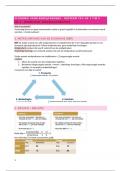
nemen. De wisselwerking tussen de verschillende componenten wordt in het ICF- schema
duidelijk gemaakt met dubbele pijlen. Het is een concretisering van het bio-psychosociaal
model van het menselijk functioneren.
Menselijk organisme: functies, anatomische eigenschappen en stoornissen.
Functies: fysiologische en mentale eigenschappen van het menselijk organisme met onder meer
mentale functies zoals intellectuele functies, aandacht, slaap en sensorische functies zoals visuele
functies of gehoorsfuncties.
Anatomische eigenschappen: positie, aanwezigheid, vorm en continuïteit van het menselijk lichaam.
Lichaamsdelen, orgaanstelsels, organen.
Stoornissen: afwijkingen in of verlies van functies of anatomische eigenschappen. In kindertijd of
adolescentie kan een stoornis ook optreden in de vorm van vertraging in de ontwikkeling van
functies.
Activiteiten en participatie/beperkingen en participatieproblemen.
Activiteiten zijn onderdelen van iemands handelen, participatie is deelname aan het
maatschappelijke leven. Beperkingen zijn moeilijkheden die iemand heeft bij het uitvoeren van
activiteiten. Participatieproblemen verwijzen naar de problemen die iemand heeft met de deelname
aan het maatschappelijke leven.
Samenvatting artikelen personen met beperkingen:
diagnostiek
Inhoud
Samenvatting artikelen personen met beperkingen: diagnostiek..........................................................1
De ICF.................................................................................................................................................4
Psychosocial functioning following moderate-to-severe pediatric traumatic brain injury:
recommended outcome instruments for research and remediation studies studies,
Neuropsychological. (Wearne et al, 2020)........................................................................................10
Models of Disability, Quality of Life, and Individualized Supports: Implications for Professional
Practice in Intellectual Disability. Buntinx, & Schalock, (2010).........................................................11
An Overview of Intellectual Disability: Definition, Diagnosis, Classification, and Systems of
Supports. Schalock, Luckasson, & Tassé, (2021)...............................................................................14
Vlaskamp Hoofdstuk 1......................................................................................................................15
Personen met ernstige meervoudige beperkingen: een doelgroepafbakening............................15
Prevalence of physical conditions and multimorbidity in a cohort of adults with intellectual
disabilities with and without Down syndrome: cross-sectional study. (Kinnear et al., 2018)...........17
Multidisciplinaire Richtlijn Probleemgedrag bij volwassenen met een verstandelijke beperking.
Embregts et al. (2019)......................................................................................................................18
Staff attributions of the causes of challenging behaviour in children and adults with profound
intellectual and multiple disabilities. (Poppes et al., 2016)..............................................................20
The importance of aetiology of intellectual disability. Learning Disability: A life cycle approach to
valuing people. Oliver, C., Woodcock, K., & Adams, D. (2010).........................................................21
Intellectual disability and ill health: a review of the evidence. O'Hara, J., McCarthy, J., & Bouras, N.
(2010)...............................................................................................................................................23
http://proxy-ub.rug.nl/login?url=https://doi.org/10.1017/CBO9780511770715.004......................23
"Self-injurious behavior." (Huisman, Sylvia, et al., 2018)..................................................................25
Variables related to the quality of life of families that have a child with severe to profound
intellectual disabilities: A systematic review. (Luitwieler, et al.,2021). https://proxy-ub.rug.nl/login?
url=https://www.sciencedirect.com/science/article/pii/S2405844021014754...............................26
Behavioral Pain Indicators in People With Intellectual Disabilities: A Systematic Review. (Knegt et
al., 2013)...........................................................................................................................................27
Communication between Children with Deafness, Blindness and Deafblindness and their Social
Partners: An Intersubjective Developmental Perspective. (Damen et al., 2015)..............................28
Can you hear what I think? Theory of Mind in young children with moderate hearing loss. (Netten
et al., 2017).......................................................................................................................................29
The Application of Dynamic Assessment in People Communicating at a Prelinguistic level: A
Descriptive Review of the Literature. (Boers et al., 2013)................................................................30
Reader/ Klapper...................................................................................................................................31
,2
Kinderen met doofblindheid. Janssen, Martens & Ruijssenaars, 2011.............................................31
Kinderen met visuele beperkingen (Looijestijn)...............................................................................32
Handboek psychodiagnostiek en beperkte begaafdheid (H1). Kraaijer & Plas 2014).......................36
Je kunt meer dan je denkt. Positieve kenmerken van mensen met een Licht Verstandelijke
Beperking (Drost & Brada, 2014)......................................................................................................43
Van boefje tot crimineel. Dossieronderzoek naar minderjarige veelplegers in Friesland. Drost &
Brada (2015).....................................................................................................................................45
De ICF.................................................................................................................................................3
Using the ICF Framework to Explore the Multiple Interacting Factors Associated with
Developmental Coordination Disorder. Ferguson, Jelsma, Versfeld & SmitsEngelsman, (2014)........5
Psychosocial functioning following moderate-to-severe pediatric traumatic brain injury:
recommended outcome instruments for research and remediation studies studies,
Neuropsychological. (Wearne et al, 2020).........................................................................................9
Models of Disability, Quality of Life, and Individualized Supports: Implications for Professional
Practice in Intellectual Disability. Buntinx, & Schalock, (2010).........................................................10
An Overview of Intellectual Disability: Definition, Diagnosis, Classification, and Systems of
Supports. Schalock, Luckasson, & Tassé, (2021)...............................................................................13
Vlaskamp Hoofdstuk 1......................................................................................................................14
Personen met ernstige meervoudige beperkingen: een doelgroepafbakening............................14
Prevalence of physical conditions and multimorbidity in a cohort of adults with intellectual
disabilities with and without Down syndrome: cross-sectional study. (Kinnear et al., 2018)...........16
Multidisciplinaire Richtlijn Probleemgedrag bij volwassenen met een verstandelijke beperking.
Embregts et al. (2019)......................................................................................................................17
Staff attributions of the causes of challenging behaviour in children and adults with profound
intellectual and multiple disabilities. (Poppes et al., 2016)..............................................................19
The importance of aetiology of intellectual disability. Learning Disability: A life cycle approach to
valuing people. Oliver, C., Woodcock, K., & Adams, D. (2010).........................................................20
Intellectual disability and ill health: a review of the evidence. O'Hara, J., McCarthy, J., & Bouras, N.
(2010)...............................................................................................................................................22
http://proxy-ub.rug.nl/login?url=https://doi.org/10.1017/CBO9780511770715.004......................22
"Self-injurious behavior." (Huisman, Sylvia, et al., 2018).................................................................24
Variables related to the quality of life of families that have a child with severe to profound
intellectual disabilities: A systematic review. (Luitwieler, et al.,2021). https://proxy-ub.rug.nl/login?
url=https://www.sciencedirect.com/science/article/pii/S2405844021014754...............................25
Behavioral Pain Indicators in People With Intellectual Disabilities: A Systematic Review. (Knegt et
al., 2013)...........................................................................................................................................26
Communication between Children with Deafness, Blindness and Deafblindness and their Social
Partners: An Intersubjective Developmental Perspective. (Damen et al., 2015)..............................27
Can you hear what I think? Theory of Mind in young children with moderate hearing loss. (Netten
et al., 2017)......................................................................................................................................28
,3
The Application of Dynamic Assessment in People Communicating at a Prelinguistic level: A
Descriptive Review of the Literature. (Boers et al., 2013)................................................................29
Reader/ Klapper...................................................................................................................................30
Kinderen met doofblindheid. Janssen, Martens & Ruijssenaars, 2011.............................................30
Kinderen met visuele beperkingen (Looijestijn)...............................................................................31
Handboek psychodiagnostiek en beperkte begaafdheid (H1). Kraaijer & Plas 2014).......................35
Je kunt meer dan je denkt. Positieve kenmerken van mensen met een Licht Verstandelijke
Beperking (Drost & Brada, 2014)......................................................................................................42
Van boefje tot crimineel. Dossieronderzoek naar minderjarige veelplegers in Friesland. Drost &
Brada (2015).....................................................................................................................................44
, 4
De ICF
https://www.prodiagnostiek.be/materiaal/ADP_ICF-CY.pdf
ICF: international classification of functioning, disability and healt. Van de WHO.
Biedt een begrippenkader waarmee het menselijk functioneren en eventuele problemen
worden beschreven vanuit drie onderling verbonden maar te onderscheiden perspectieven:
het perspectief van het menselijke organisme (functies, anatomische eigenschappen), dat
van het menselijke handelen (activiteiten) en dat van deelname aan het maatschappelijke
leven (participatie). Daarnaast biedt de ICF de mogelijkheid om persoonlijke en externe
factoren die het functioneren van een persoon mee beïnvloeden, in de beschrijving op te
nemen. De wisselwerking tussen de verschillende componenten wordt in het ICF- schema
duidelijk gemaakt met dubbele pijlen. Het is een concretisering van het bio-psychosociaal
model van het menselijk functioneren.
Menselijk organisme: functies, anatomische eigenschappen en stoornissen.
Functies: fysiologische en mentale eigenschappen van het menselijk organisme met onder meer
mentale functies zoals intellectuele functies, aandacht, slaap en sensorische functies zoals visuele
functies of gehoorsfuncties.
Anatomische eigenschappen: positie, aanwezigheid, vorm en continuïteit van het menselijk lichaam.
Lichaamsdelen, orgaanstelsels, organen.
Stoornissen: afwijkingen in of verlies van functies of anatomische eigenschappen. In kindertijd of
adolescentie kan een stoornis ook optreden in de vorm van vertraging in de ontwikkeling van
functies.
Activiteiten en participatie/beperkingen en participatieproblemen.
Activiteiten zijn onderdelen van iemands handelen, participatie is deelname aan het
maatschappelijke leven. Beperkingen zijn moeilijkheden die iemand heeft bij het uitvoeren van
activiteiten. Participatieproblemen verwijzen naar de problemen die iemand heeft met de deelname
aan het maatschappelijke leven.