DOMICILE
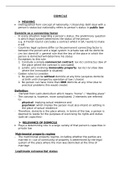
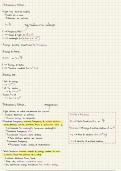
MEANING
Distinguished from concept of nationality / citizenship. Both deal with a
person’s status but nationality refers to person’s status in public law
Domicile as a connecting factor
- In every situation regarding a person’s status, the preliminary question
is which legal system determines the status of the person
e.g. A French tourist concludes a contract whilst in SA / wants to make
a will
- Countries legal systems differ so the permanent connecting factor is
between the person and a legal system in private law will be domicile
- Lex loci domicilli = general rule that the law of the place in which the
person is domiciled will determine his status
- Exceptions to this rule:
1. Conclude a simple commercial contract: lex loci contractus (law of
the place where the contract is concluded)
2. Juristic acts involving immovable property: lex loci rei sitae (law
where the immovable is situated)
- Golden rules to consider:
1. No person can be without domicile at any time (acquires domicile
at birth until changed by operation of law / choice)
2. No person can have more than ONE domicile at any time (due to
practical problems this would create)
Definition
- Derived from Latin domicilium which means “home” / “dwelling place”
- The concept is, however, more complicated, 2 elements are referred
to:
physical: implying actual residence and
psychical: which implies the person must also intend on settling in
the place of actual residence
- Therefore, domicile is the place where, in terms of the law, a person is
deemed to reside for the purposes of exercising his rights and duties
(judicial capacities)
RELEVANCE OF DOMICILE
Plays a determining role in a large variety of that person’s capacities in
private law
Matrimonial property regime
- The matrimonial property regime, including whether the parties are
married in / out of community of property is determined by the legal
system of the place where the man was domiciled at the time of
marriage
Legitimate extramarital status
MEANING
Distinguished from concept of nationality / citizenship. Both deal with a
person’s status but nationality refers to person’s status in public law
Domicile as a connecting factor
- In every situation regarding a person’s status, the preliminary question
is which legal system determines the status of the person
e.g. A French tourist concludes a contract whilst in SA / wants to make
a will
- Countries legal systems differ so the permanent connecting factor is
between the person and a legal system in private law will be domicile
- Lex loci domicilli = general rule that the law of the place in which the
person is domiciled will determine his status
- Exceptions to this rule:
1. Conclude a simple commercial contract: lex loci contractus (law of
the place where the contract is concluded)
2. Juristic acts involving immovable property: lex loci rei sitae (law
where the immovable is situated)
- Golden rules to consider:
1. No person can be without domicile at any time (acquires domicile
at birth until changed by operation of law / choice)
2. No person can have more than ONE domicile at any time (due to
practical problems this would create)
Definition
- Derived from Latin domicilium which means “home” / “dwelling place”
- The concept is, however, more complicated, 2 elements are referred
to:
physical: implying actual residence and
psychical: which implies the person must also intend on settling in
the place of actual residence
- Therefore, domicile is the place where, in terms of the law, a person is
deemed to reside for the purposes of exercising his rights and duties
(judicial capacities)
RELEVANCE OF DOMICILE
Plays a determining role in a large variety of that person’s capacities in
private law
Matrimonial property regime
- The matrimonial property regime, including whether the parties are
married in / out of community of property is determined by the legal
system of the place where the man was domiciled at the time of
marriage
Legitimate extramarital status