Murder Criminal Law
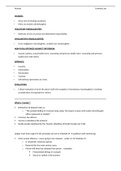
MURDER:
̶ Actus reus (including causation).
̶ Mens rea (malice aforethought).
VOLUNTARY MANSLAUGHTER:
̶ Defences of loss of control and diminished responsibility.
INVOLUNTARY MANSLAUGHTER:
̶ Gross negligence manslaughter, unlawful act manslaughter.
NON-FATAL OFFENCES AGAINST THE PERSON:
̶ Assault, battery, actual bodily harm, wounding and grievous bodily harm, wounding and grievous
bodily harm with intent.
DEFENCES:
̶ Insanity.
̶ Automatism.
̶ Intoxication.
̶ Consent.
̶ Self-defence/prevention of crime.
EVALUATION:
̶ Critical evaluation of all of the above (with the exception of involuntary manslaughter), including
consideration of proposals for reform.
What is ‘murder’?
Defined by Sir Edward Coke as:
o “The unlawful killing of a human being under the Queen’s peace with malice aforethought
either expressed or implied”
Common law offence
Carries a mandatory life sentence
Death penalty abolished by the ‘Murder (Abolition of Death Penalty) Act 1965
Judges must have regard to the principles set out in Schedule 21 guidance with sentencing:
Most serious offences = never going to be released – under S.4 of Schedule 21:
o A ‘whole life’ minimum period
o Reserved for the most serious cases
o Person will never be released from prison – examples:
Premediated killings of 2 people
Sexual or sadistic child murders
, Murder Criminal Law
Political murder e.g. Jo Cox
Minimum 30 years – s.5 Schedule 21:
o Murders of police or prison officers
o Murders involving firearms
o Sexual or sadistic killings
o Murder aggravated by racial or sexual orientation
Minimum 25 years:
o New addition 2009
o Murder with a knife
Aim = provide a deterrent to that type of offence due to public outcry and rise in
knife crimes
Minimum 15 years – s.7 Schedule 21:
o 12 years for youths
o Other murders not falling within higher categories
Why is it called a life sentence?
Carries a mandatory life sentence:
o Under S.269 Criminal Justice Act (2003), the judge must specify a minimum term in open
court – this is known as a ‘tariff’
o This is called ‘life’ because the effects of it remain with the criminal for life
You are on licence for rest of your life
Have to tell probation officer everything
Need permission
They can you send back to prison for the smallest things
o Whole life orders have been the subject of recent ECtHR jurisprudence
o Ds have argued that its against their human rights to have whole life sentence
o Vinter and Others v The United Kingdom
Their appeal was successful
o Hutchinson v United Kingdom (2015) 61 EHRR 13
D was charged with three counts of murder and rape
Argued his whole life tariff was against his human rights
Court ruled against him, held that it is not a breach of human rights
Murder:
There is no statutory definition of murder – it comes from a definition from Sir Edward Coke:
“THE UNLAWFUL KILLING OF A HUMAN BEING UNDER THE QUEEN’S PEACE WITH MALICE
AFORETHOUGHT, EITHER EXPRESSED OR IMPLIED”
Actus reus:
MURDER:
̶ Actus reus (including causation).
̶ Mens rea (malice aforethought).
VOLUNTARY MANSLAUGHTER:
̶ Defences of loss of control and diminished responsibility.
INVOLUNTARY MANSLAUGHTER:
̶ Gross negligence manslaughter, unlawful act manslaughter.
NON-FATAL OFFENCES AGAINST THE PERSON:
̶ Assault, battery, actual bodily harm, wounding and grievous bodily harm, wounding and grievous
bodily harm with intent.
DEFENCES:
̶ Insanity.
̶ Automatism.
̶ Intoxication.
̶ Consent.
̶ Self-defence/prevention of crime.
EVALUATION:
̶ Critical evaluation of all of the above (with the exception of involuntary manslaughter), including
consideration of proposals for reform.
What is ‘murder’?
Defined by Sir Edward Coke as:
o “The unlawful killing of a human being under the Queen’s peace with malice aforethought
either expressed or implied”
Common law offence
Carries a mandatory life sentence
Death penalty abolished by the ‘Murder (Abolition of Death Penalty) Act 1965
Judges must have regard to the principles set out in Schedule 21 guidance with sentencing:
Most serious offences = never going to be released – under S.4 of Schedule 21:
o A ‘whole life’ minimum period
o Reserved for the most serious cases
o Person will never be released from prison – examples:
Premediated killings of 2 people
Sexual or sadistic child murders
, Murder Criminal Law
Political murder e.g. Jo Cox
Minimum 30 years – s.5 Schedule 21:
o Murders of police or prison officers
o Murders involving firearms
o Sexual or sadistic killings
o Murder aggravated by racial or sexual orientation
Minimum 25 years:
o New addition 2009
o Murder with a knife
Aim = provide a deterrent to that type of offence due to public outcry and rise in
knife crimes
Minimum 15 years – s.7 Schedule 21:
o 12 years for youths
o Other murders not falling within higher categories
Why is it called a life sentence?
Carries a mandatory life sentence:
o Under S.269 Criminal Justice Act (2003), the judge must specify a minimum term in open
court – this is known as a ‘tariff’
o This is called ‘life’ because the effects of it remain with the criminal for life
You are on licence for rest of your life
Have to tell probation officer everything
Need permission
They can you send back to prison for the smallest things
o Whole life orders have been the subject of recent ECtHR jurisprudence
o Ds have argued that its against their human rights to have whole life sentence
o Vinter and Others v The United Kingdom
Their appeal was successful
o Hutchinson v United Kingdom (2015) 61 EHRR 13
D was charged with three counts of murder and rape
Argued his whole life tariff was against his human rights
Court ruled against him, held that it is not a breach of human rights
Murder:
There is no statutory definition of murder – it comes from a definition from Sir Edward Coke:
“THE UNLAWFUL KILLING OF A HUMAN BEING UNDER THE QUEEN’S PEACE WITH MALICE
AFORETHOUGHT, EITHER EXPRESSED OR IMPLIED”
Actus reus: