LAW OF PERSONS:CHAPTER 3
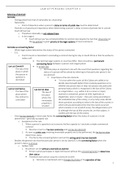
Meaning of domicile
Domicile
- Distinguished from that of nationality (or citizenship)
- Nationality
o Point of departure when a person’s status in terms of public law must be determined
- Domicile is of paramount importance when determining a person’s status in terms of private law in current
South African law
o Therefore nationality is not relevant here
o In this regard
▪ South African law has remained faithful to common law despite the fact that citizenship (or
the lex patriae) is given priority in the legal systems of most continents
Domicile as connecting factor
- Which legal system determines the status of the person connected
- E.G.
o French tourist is interested in concluding a contract during his stay in South Africa or that he wishes to
make a will
• The fact that legal systems in countries differ, there should be a permanent
connecting factor between a person and a legal system
Lex Loci Domicilii • In private law
- The law of the o Domicile plays an important role with the result that questions regarding the
place in which status of a person will be solved by referring to that particular person’s lex
the person in loci domicilii
question is ▪ Importance of lex loci domicile
domiciled • “it is true when the courts of this Colony are called on to
decide cases brought before them involving questions as to
whether any person does or does not possess any particular
Lex loci contractus Lex loci rei sitae personal status which is recognised in the law of the Colony
- The law of the - The law of as a legal status – e.g. wither A B is a minor or major,
place where the place married or unmarried, parent of child, legitimate or
the contract is where the illegitimate, sane or insane – they will, acting according to
concluded immovable the undoubted law of the colony, in very many cases decide
property is those questions according to what is the law of the country in
situated which A B was domiciled at the time the events occurred
which created, or out of which arose, the alleged status of A
B, although the law of that country be, on that subject, in
conflict with the law of this Colony
- Since lex loci domicilii in most cases forms the connecting factor when the status of a person is to be
determined – generally accepted rule
o Exceptions to the rule
1. When a person’s capacity to act concerns his/her capacity to ‘conclude a simple commercial
contract’
▪ Must be in terms of lex loci contractus and not lex loci domicilli
2. As soon as juristic acts involving immovable property are to be performed, the lex loci rei sitae
determines status
▪ This forms the connecting factor and not the acting party’s lex loci domicilii
- Besides the general rule that the particular person’s lex loci domicilii is the connecting factor when the
person’s status is at issue
o Golden rules
1. No person can be without a domicile at anytime
▪ Person cannot participate in legal intercourse without this connecting factor to determine
their status
▪ Therefore each person acquires a domicile at birth
• Domicile is maintained until it changes by choice or by operation of law
1
, 2. No person can have more than one domicile at a time
▪ Dual domicile should not be allowed because it could give rise to several problems
Definition of domicile
- Derived from Latin word domicilium
o Means home/ dwelling place
- Concept domicile
o Has to take into account the fact that legal rules sometimes ascribe a domicile to a person even if it is
not that person’s home or residence
o Definition in Mason v Mason
▪ Means the place/ country which is considered by law to be a person’s permanent home
Relevance of domicile
- A person’s domicile plays a determining role in a large variety of that person’s capacities in private law
Matrimonial property regime
- Matrimonial property regime of a marriage
o Determine by legal system of the place where a man was domiciled at the time of the marriage
▪ It is not affected by any future change of domicile by the man
- In Frankel’s Estate v The Master
o The court of appeal held that this rule must apply even if the parties agreed at the time of the
marriage to settle elsewhere
o Couple were married in the Czech Republic after having decided to settle in South Africa
o Since man was domiciled in Germany at time of the marriage, the matrimonial property regime of the
marriage was governed by the German law
- Rules creates problems
1. Parties to a civil union who are only of one sex are not accommodated
2. It is unconstitutional because it results in an unfair breach of the equality clause
- However it is essential that a common factor must exist and thus this lacuna must be addressed by the
legislator
Role in determining child’s status
- Whether a child qualifies as a child born of married parents
o Determined on the basis of child’s domicile of origin
- Minority and majority are likewise determined by the relevant domicile
- Whether child of unmarried parents will be regarded as child with married parents after the subsequent
marriage
o Determined by father’s lex loci domicilii
▪ But then it is the domicile of the father at time of the marriage that is relevant
- Adoption is a factor that affects the children’s status
o the lex loci domicilii of the child must be borne in mind when considering the validity and
consequences of adoption
o suggestion that the lex adoptionis should also serve as a connecting factor is this regard
▪ in Board of Executors v Vitt
Lex adoptionis • this question was discussed but because It was immaterial whether the lex lci
- The law of the domicilii/ lex adoptionis was applied in this case
place where the o was not necessary for the court to rule on this issue
child was adopted o because there has been no authoritative court ruling on this point, both
should be considered
2
Meaning of domicile
Domicile
- Distinguished from that of nationality (or citizenship)
- Nationality
o Point of departure when a person’s status in terms of public law must be determined
- Domicile is of paramount importance when determining a person’s status in terms of private law in current
South African law
o Therefore nationality is not relevant here
o In this regard
▪ South African law has remained faithful to common law despite the fact that citizenship (or
the lex patriae) is given priority in the legal systems of most continents
Domicile as connecting factor
- Which legal system determines the status of the person connected
- E.G.
o French tourist is interested in concluding a contract during his stay in South Africa or that he wishes to
make a will
• The fact that legal systems in countries differ, there should be a permanent
connecting factor between a person and a legal system
Lex Loci Domicilii • In private law
- The law of the o Domicile plays an important role with the result that questions regarding the
place in which status of a person will be solved by referring to that particular person’s lex
the person in loci domicilii
question is ▪ Importance of lex loci domicile
domiciled • “it is true when the courts of this Colony are called on to
decide cases brought before them involving questions as to
whether any person does or does not possess any particular
Lex loci contractus Lex loci rei sitae personal status which is recognised in the law of the Colony
- The law of the - The law of as a legal status – e.g. wither A B is a minor or major,
place where the place married or unmarried, parent of child, legitimate or
the contract is where the illegitimate, sane or insane – they will, acting according to
concluded immovable the undoubted law of the colony, in very many cases decide
property is those questions according to what is the law of the country in
situated which A B was domiciled at the time the events occurred
which created, or out of which arose, the alleged status of A
B, although the law of that country be, on that subject, in
conflict with the law of this Colony
- Since lex loci domicilii in most cases forms the connecting factor when the status of a person is to be
determined – generally accepted rule
o Exceptions to the rule
1. When a person’s capacity to act concerns his/her capacity to ‘conclude a simple commercial
contract’
▪ Must be in terms of lex loci contractus and not lex loci domicilli
2. As soon as juristic acts involving immovable property are to be performed, the lex loci rei sitae
determines status
▪ This forms the connecting factor and not the acting party’s lex loci domicilii
- Besides the general rule that the particular person’s lex loci domicilii is the connecting factor when the
person’s status is at issue
o Golden rules
1. No person can be without a domicile at anytime
▪ Person cannot participate in legal intercourse without this connecting factor to determine
their status
▪ Therefore each person acquires a domicile at birth
• Domicile is maintained until it changes by choice or by operation of law
1
, 2. No person can have more than one domicile at a time
▪ Dual domicile should not be allowed because it could give rise to several problems
Definition of domicile
- Derived from Latin word domicilium
o Means home/ dwelling place
- Concept domicile
o Has to take into account the fact that legal rules sometimes ascribe a domicile to a person even if it is
not that person’s home or residence
o Definition in Mason v Mason
▪ Means the place/ country which is considered by law to be a person’s permanent home
Relevance of domicile
- A person’s domicile plays a determining role in a large variety of that person’s capacities in private law
Matrimonial property regime
- Matrimonial property regime of a marriage
o Determine by legal system of the place where a man was domiciled at the time of the marriage
▪ It is not affected by any future change of domicile by the man
- In Frankel’s Estate v The Master
o The court of appeal held that this rule must apply even if the parties agreed at the time of the
marriage to settle elsewhere
o Couple were married in the Czech Republic after having decided to settle in South Africa
o Since man was domiciled in Germany at time of the marriage, the matrimonial property regime of the
marriage was governed by the German law
- Rules creates problems
1. Parties to a civil union who are only of one sex are not accommodated
2. It is unconstitutional because it results in an unfair breach of the equality clause
- However it is essential that a common factor must exist and thus this lacuna must be addressed by the
legislator
Role in determining child’s status
- Whether a child qualifies as a child born of married parents
o Determined on the basis of child’s domicile of origin
- Minority and majority are likewise determined by the relevant domicile
- Whether child of unmarried parents will be regarded as child with married parents after the subsequent
marriage
o Determined by father’s lex loci domicilii
▪ But then it is the domicile of the father at time of the marriage that is relevant
- Adoption is a factor that affects the children’s status
o the lex loci domicilii of the child must be borne in mind when considering the validity and
consequences of adoption
o suggestion that the lex adoptionis should also serve as a connecting factor is this regard
▪ in Board of Executors v Vitt
Lex adoptionis • this question was discussed but because It was immaterial whether the lex lci
- The law of the domicilii/ lex adoptionis was applied in this case
place where the o was not necessary for the court to rule on this issue
child was adopted o because there has been no authoritative court ruling on this point, both
should be considered
2