SECTION: The Endocrine System
TOPIC: Biopsychology
KEY IDEAS (K/U)
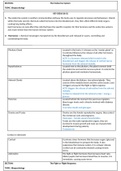
1. The endocrine system is another communication pathway the body uses to regulate processes and behaviours. Glands
within the body secrete chemicals called hormones into the bloodstream, they then affect different body organs,
causing long lasting effects.
Each hormone can only affect the cells that have the specific receptors for that hormone and the endocrine systems
acts much slower than the human nervous system.
2. Hormones = chemical messengers transported via the bloodstream and released in waves, controlling and
coordinating the body.
Pituitary Gland Located in the brain, it is known as the ‘master gland’ as
it controls/influences the release of all other hormones
throughout the body.
ACTH is a hormone released which travels in the
bloodstream and triggers the release of cortisol (stress
hormone) from the adrenal medulla.
Hypothalamus Located next to the pituitary, the gland connects both
the endocrine and central nervous system. It controls the
pituitary gland and maintains homeostasis.
Adrenal Glands Located above the kidneys, two adrenal glands. They
consist of the medulla (inner) and the cortex (outer,) and
it triggers arousal of the flight or fight response.
ACTH triggers the release of adrenaline from the adrenal
medulla.
Cortisol is released from the adrenal cortex = energy +
glucose
Pancreas Located behind the stomach the pancreas regulates
blood sugar levels and is directly involved with diabetes
disease.
It secretes insulin and glucagon.
Ovaries and Testes Ovaries are the female reproductive organs, they control
the menstrual cycle and pregnancy
Oestrogen – female sexual characteristics
Testes are the male reproductive organs, they are
involved in muscle growth and male sex characteristic
development during puberty.
Testosterone
Cortisol vs Adrenalin
Cortisol A primary stress hormone that increases sugars (glucose)
in the bloodstream to prepare the body, it also
suppresses the immune system. It is a slower release,
cortisol can be constantly released causing chronic
stress.
Adrenaline The fight or flight hormone that increases heart rate,
dilates pupils and increases blood flow to muscles, it is
immediate, causing acute stress
SECTION: The Fight or Flight Response.
TOPIC: Biopsychology
TOPIC: Biopsychology
KEY IDEAS (K/U)
1. The endocrine system is another communication pathway the body uses to regulate processes and behaviours. Glands
within the body secrete chemicals called hormones into the bloodstream, they then affect different body organs,
causing long lasting effects.
Each hormone can only affect the cells that have the specific receptors for that hormone and the endocrine systems
acts much slower than the human nervous system.
2. Hormones = chemical messengers transported via the bloodstream and released in waves, controlling and
coordinating the body.
Pituitary Gland Located in the brain, it is known as the ‘master gland’ as
it controls/influences the release of all other hormones
throughout the body.
ACTH is a hormone released which travels in the
bloodstream and triggers the release of cortisol (stress
hormone) from the adrenal medulla.
Hypothalamus Located next to the pituitary, the gland connects both
the endocrine and central nervous system. It controls the
pituitary gland and maintains homeostasis.
Adrenal Glands Located above the kidneys, two adrenal glands. They
consist of the medulla (inner) and the cortex (outer,) and
it triggers arousal of the flight or fight response.
ACTH triggers the release of adrenaline from the adrenal
medulla.
Cortisol is released from the adrenal cortex = energy +
glucose
Pancreas Located behind the stomach the pancreas regulates
blood sugar levels and is directly involved with diabetes
disease.
It secretes insulin and glucagon.
Ovaries and Testes Ovaries are the female reproductive organs, they control
the menstrual cycle and pregnancy
Oestrogen – female sexual characteristics
Testes are the male reproductive organs, they are
involved in muscle growth and male sex characteristic
development during puberty.
Testosterone
Cortisol vs Adrenalin
Cortisol A primary stress hormone that increases sugars (glucose)
in the bloodstream to prepare the body, it also
suppresses the immune system. It is a slower release,
cortisol can be constantly released causing chronic
stress.
Adrenaline The fight or flight hormone that increases heart rate,
dilates pupils and increases blood flow to muscles, it is
immediate, causing acute stress
SECTION: The Fight or Flight Response.
TOPIC: Biopsychology