1
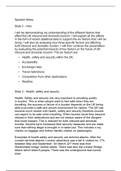
NapierC ENVS 3100 Fall2021
Sustainability topic lecture
Fossil Fuels
Overview
Formed from living organisms from earlier geologic eras
80% of US energy from fossil fuels
Reserves: fossil fuels masses that can be economically accessed
Conventional (easy to obtain) vs. unconventional (difficult to obtain)
Natural gas most common energy source in Georgia
Oil
Formed within porous rocks (limestone, sandstone etc) surrounded by nonporous
rocks
Extracted by drilling/pumping -> pressure causes oil to rise -> pumped by secondary
extraction OR tertiary extraction
Hydraulic fracturing: extraction from unconventional reservoirs
Chemicals/water etc injected into rock -> pressure causes fissures so gas flows out ->
methane and flowback water recovered
Environmental impacts
o Acid rain
o Water contamination
o Oil spills in the ocean
Natural gas
Found with oil deposits and bound up in layers of shale
Fracking = extraction method
Distributed through pipe network
Environmental impacts
o Hazardous spills
o Contamination of groundwater
o Increased water scarcity
o Destruction of ecosystems
Coal
Extracted from underground and via mountaintop removal
Second largest energy source in the US
Environmental impacts
o Acid rain
o Increased CO2
o Plant particulates cause smog
o Contamination of air and water resources
NapierC ENVS 3100 Fall2021
Sustainability topic lecture
Fossil Fuels
Overview
Formed from living organisms from earlier geologic eras
80% of US energy from fossil fuels
Reserves: fossil fuels masses that can be economically accessed
Conventional (easy to obtain) vs. unconventional (difficult to obtain)
Natural gas most common energy source in Georgia
Oil
Formed within porous rocks (limestone, sandstone etc) surrounded by nonporous
rocks
Extracted by drilling/pumping -> pressure causes oil to rise -> pumped by secondary
extraction OR tertiary extraction
Hydraulic fracturing: extraction from unconventional reservoirs
Chemicals/water etc injected into rock -> pressure causes fissures so gas flows out ->
methane and flowback water recovered
Environmental impacts
o Acid rain
o Water contamination
o Oil spills in the ocean
Natural gas
Found with oil deposits and bound up in layers of shale
Fracking = extraction method
Distributed through pipe network
Environmental impacts
o Hazardous spills
o Contamination of groundwater
o Increased water scarcity
o Destruction of ecosystems
Coal
Extracted from underground and via mountaintop removal
Second largest energy source in the US
Environmental impacts
o Acid rain
o Increased CO2
o Plant particulates cause smog
o Contamination of air and water resources