Social psychology
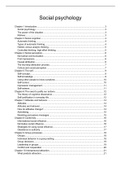
Chapter 1 Introduction............................................................................................................3
Social psychology.............................................................................................................. 3
The power of the situation..................................................................................................3
Motives.............................................................................................................................. 3
Chapter 3 Social cognition......................................................................................................4
Automatic thinking..............................................................................................................4
Types of automatic thinking...............................................................................................4
Holistic versus analytic thinking.........................................................................................5
Controlled thinking: high-effort thinking..............................................................................5
Chapter 4 Social perception...................................................................................................6
Nonverbal communication..................................................................................................6
First impressions................................................................................................................ 6
Causal attribution...............................................................................................................6
The two-step attribution process........................................................................................7
Culture and social perception.............................................................................................7
Chapter 5 The self.................................................................................................................. 9
Self-concept....................................................................................................................... 9
Self-knowledge..................................................................................................................9
Using other people to know ourselves:............................................................................10
Self-control....................................................................................................................... 10
Impression management..................................................................................................11
Self-esteem...................................................................................................................... 11
Chapter 6 The need to justify our actions.............................................................................12
The theory of cognitive dissonance..................................................................................12
Self-justification in everyday life.......................................................................................12
Chapter 7 Attitudes and behavior.........................................................................................14
Attitudes........................................................................................................................... 14
Attitudes and behavior.....................................................................................................14
How do attitudes change?................................................................................................14
Advertising....................................................................................................................... 15
Resisting persuasive messages.......................................................................................15
Chapter 8 Conformity........................................................................................................... 16
Informational social influence...........................................................................................16
Normative social influence...............................................................................................16
Strategies for using social influence.................................................................................17
Obedience to authority.....................................................................................................17
Chapter 9 Group processes..................................................................................................18
Groups............................................................................................................................. 18
Individual behavior in a group setting...............................................................................18
Group decisions............................................................................................................... 19
Leadership in groups.......................................................................................................19
Conflict and cooperation..................................................................................................20
Chapter 10 Interpersonal attraction......................................................................................21
What predicts attraction...................................................................................................21
, Technology...................................................................................................................... 22
Love and close relationships............................................................................................22
Theories of relationship satisfaction.................................................................................22
Ending intimate relationships...........................................................................................23
Chapter 11 Prosocial behavior.............................................................................................24
Basic motives to determine whether people help others..................................................24
Personality and helping....................................................................................................24
Situational determinants of prosocial behavior.................................................................25
How can helping be increased.........................................................................................25
Chapter 12 Aggression.........................................................................................................26
Innate, learned or optional...............................................................................................26
Social situations and aggression......................................................................................26
Violence and the media...................................................................................................27
How to decrease aggression............................................................................................27
Chapter 13 Prejudice............................................................................................................ 28
Defining prejudice............................................................................................................ 28
Detecting hidden prejudices.............................................................................................28
The effects of prejudice on the victim...............................................................................28
Causes of prejudice......................................................................................................... 28
Reducing prejudice.......................................................................................................... 29
, Chapter 1 Introduction
Social psychology
Social psychology is defined as the scientific study of the way in which people’s thoughts,
feelings, and behaviors are influenced by the real or imagined presence of other people.
Social psychologists are interested in understanding how and why the social environment
shapes the thoughts, feelings, and behaviors of the individual. Social psychologists develop
explanations of social influence through empirical methods, like experiments. Cross-
cultural research is necessary to discover universal laws of human behaviour. The level of
analysis for social psychology is the individual in the context of a social situation.
The power of the situation
Fundamental attribution error: the tendency to explain our own and other people’s
behaviour in terms of personality traits and disregarding the power of social influence, the
situation.
Construal: the world is interpreted differently by every individual. This has its roots in
Gestalt psychology: a psychology stressing the importance of studying the subjective way in
which an object appears in people’s minds rather than the objective, physical attributes of
the object.
Naive realism is the conviction that we perceive things as they really are, if other people
think differently, they are biased.
Motives
Basic human motives: a person is shaped by two basic human motives: the need to feel
good about ourselves and the need to be accurate. The self-esteem motive is the need to
feel good about ourselves, where we see ourselves in a bright light, and the self-fulfilling
prophecy. The social cognition motive is the need to be accurate.
Chapter 1 Introduction............................................................................................................3
Social psychology.............................................................................................................. 3
The power of the situation..................................................................................................3
Motives.............................................................................................................................. 3
Chapter 3 Social cognition......................................................................................................4
Automatic thinking..............................................................................................................4
Types of automatic thinking...............................................................................................4
Holistic versus analytic thinking.........................................................................................5
Controlled thinking: high-effort thinking..............................................................................5
Chapter 4 Social perception...................................................................................................6
Nonverbal communication..................................................................................................6
First impressions................................................................................................................ 6
Causal attribution...............................................................................................................6
The two-step attribution process........................................................................................7
Culture and social perception.............................................................................................7
Chapter 5 The self.................................................................................................................. 9
Self-concept....................................................................................................................... 9
Self-knowledge..................................................................................................................9
Using other people to know ourselves:............................................................................10
Self-control....................................................................................................................... 10
Impression management..................................................................................................11
Self-esteem...................................................................................................................... 11
Chapter 6 The need to justify our actions.............................................................................12
The theory of cognitive dissonance..................................................................................12
Self-justification in everyday life.......................................................................................12
Chapter 7 Attitudes and behavior.........................................................................................14
Attitudes........................................................................................................................... 14
Attitudes and behavior.....................................................................................................14
How do attitudes change?................................................................................................14
Advertising....................................................................................................................... 15
Resisting persuasive messages.......................................................................................15
Chapter 8 Conformity........................................................................................................... 16
Informational social influence...........................................................................................16
Normative social influence...............................................................................................16
Strategies for using social influence.................................................................................17
Obedience to authority.....................................................................................................17
Chapter 9 Group processes..................................................................................................18
Groups............................................................................................................................. 18
Individual behavior in a group setting...............................................................................18
Group decisions............................................................................................................... 19
Leadership in groups.......................................................................................................19
Conflict and cooperation..................................................................................................20
Chapter 10 Interpersonal attraction......................................................................................21
What predicts attraction...................................................................................................21
, Technology...................................................................................................................... 22
Love and close relationships............................................................................................22
Theories of relationship satisfaction.................................................................................22
Ending intimate relationships...........................................................................................23
Chapter 11 Prosocial behavior.............................................................................................24
Basic motives to determine whether people help others..................................................24
Personality and helping....................................................................................................24
Situational determinants of prosocial behavior.................................................................25
How can helping be increased.........................................................................................25
Chapter 12 Aggression.........................................................................................................26
Innate, learned or optional...............................................................................................26
Social situations and aggression......................................................................................26
Violence and the media...................................................................................................27
How to decrease aggression............................................................................................27
Chapter 13 Prejudice............................................................................................................ 28
Defining prejudice............................................................................................................ 28
Detecting hidden prejudices.............................................................................................28
The effects of prejudice on the victim...............................................................................28
Causes of prejudice......................................................................................................... 28
Reducing prejudice.......................................................................................................... 29
, Chapter 1 Introduction
Social psychology
Social psychology is defined as the scientific study of the way in which people’s thoughts,
feelings, and behaviors are influenced by the real or imagined presence of other people.
Social psychologists are interested in understanding how and why the social environment
shapes the thoughts, feelings, and behaviors of the individual. Social psychologists develop
explanations of social influence through empirical methods, like experiments. Cross-
cultural research is necessary to discover universal laws of human behaviour. The level of
analysis for social psychology is the individual in the context of a social situation.
The power of the situation
Fundamental attribution error: the tendency to explain our own and other people’s
behaviour in terms of personality traits and disregarding the power of social influence, the
situation.
Construal: the world is interpreted differently by every individual. This has its roots in
Gestalt psychology: a psychology stressing the importance of studying the subjective way in
which an object appears in people’s minds rather than the objective, physical attributes of
the object.
Naive realism is the conviction that we perceive things as they really are, if other people
think differently, they are biased.
Motives
Basic human motives: a person is shaped by two basic human motives: the need to feel
good about ourselves and the need to be accurate. The self-esteem motive is the need to
feel good about ourselves, where we see ourselves in a bright light, and the self-fulfilling
prophecy. The social cognition motive is the need to be accurate.