Persuasive Technologies Lectures
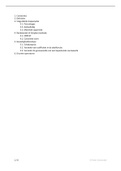
Inhoud
LECTURE 1: Understanding Human Behaviour.......................................................................................3
What is behaviour?.............................................................................................................................3
What determines our behaviour?......................................................................................................3
Shortcuts: Heuristics and Habits.........................................................................................................6
Map of the decision-making process..................................................................................................8
LECTURE 2: Strategies for Behaviour Change.........................................................................................9
Behaviour change theories and strategies..........................................................................................9
Fogg’s Behaviour Model.....................................................................................................................9
Cialdini’s Persuasive principles.........................................................................................................10
How do we take decisions about our actions?.................................................................................11
The CREATE framework....................................................................................................................11
LECTURE 3: Defining the problem: outcomes, actions and actors........................................................14
The “DECIDE” process.......................................................................................................................14
Setting clear outcomes.....................................................................................................................15
Choosing the right action..................................................................................................................15
Getting to know the actors...............................................................................................................18
LECTURE 4: Exploring The Context.......................................................................................................20
Exploring the context........................................................................................................................20
Building behavioural personals.........................................................................................................20
Building the behavioural map...........................................................................................................23
Diagnosing problems........................................................................................................................24
LECTURE 5: Guest Lecture: Influencing Behaviour................................................................................25
Human behaviour.............................................................................................................................25
Priming.............................................................................................................................................25
Persuasion........................................................................................................................................26
Soft Persuasion.................................................................................................................................28
LECTURE 6: Designing for Behaviour Change Interventions.................................................................30
Increasing motivation.......................................................................................................................30
Increasing ability...............................................................................................................................31
Prompts............................................................................................................................................32
Personalising strategies....................................................................................................................33
LECTURE 7: Crafting Interventions: Cue, Reaction, Evaluation.............................................................34
,Cue...................................................................................................................................................35
Reaction............................................................................................................................................36
Evaluation.........................................................................................................................................37
Ability...............................................................................................................................................40
Timing...............................................................................................................................................41
Experience........................................................................................................................................42
,LECTURE 1: Understanding Human Behaviour
Today’s lecture
What is behaviour?
How do we make decisions about our actions?
Shortcuts: heuristics and habits
Map of the decision-making process
What is behaviour?
Behaviour = an action, activity or process which can be observed and measured. A behaviour
response to internal (hungry – eat) or external stimuli (e.g. alarm clock – wake up). 3 types of
behaviour:
- Objectively – dancing (see them dancing)
- Non-observable (think, other people cannot see you think)
- Non-conscious (blinking, breathing)
Behaviour has different elements:
- A behaviour has an actor
o Individual, organism, system, object
- A behaviour has a trigger
o The behaviour is a response to change
- A behaviour happens in a context
o Individual we interact with (social environment)
o What we see and interact with (physical environment)
o Habits and responses we learned over time (mental environment)
Properties of behaviour
- Observable (overt) or not observable (covert)
o talking vs. thinking
- Performed consciously or unconsciously
o studying vs. walking
- Simple or complex
o smiling vs changing a tire on a car
- Familiar or unfamiliar
o walking to our office vs. climbing Mount Everest
- Voluntary or involuntary
o clapping vs hiccupping
- Innate or learned
o Sleeping vs riding a bike
What determines our behaviour?
Innate behaviour
- Genetically hardwired in an organism
- The actor performs in response to the cue without prior experience
- E.g. a new-born baby nursing reflex
Learned behaviours
learned behaviour = one that an organism develops as a result of experience.
Some behaviours have both innate and learned elements!
, - e.g. Zebra vink: born with learning how to sing, however her song is dependent on the
fathers song. She know how to sing, she is born with it but the song she sings, she learned
from her father. Mixture of innate and learned elements.
Classical conditioning: learning to associate a new stimulus with an existing behaviour response by
repeatedly pairing the new and old stimulus.
- e.g. Pavlov’s dogs, dog salivate when they see food (no need to learn). Sees the food and
start drawling. They already drew when they see food. He introduced a bell. Every time he
fed the dog’s he also ring the bell. So eventually, the dog starts to drawling when he hears
the bell even though there is no food. Dog learns behaviour and associates it with a stimulus
in the environment
Operant conditioning: learning to perform the behaviour (without command/being told to do it)
more or less frequently based on the reward or punishment received after performing the behaviour.
A reinforcer is any event that increases the likelihood that the same behaviour will occur again.
A punishment is any event that reduces the likelihood that the behaviour will recur.
- e.g. Rats, skinner box, person invented a box an put rats in it. There was an electrical greed
on the bottom of the box. Rats learned that if they press the lever they get food press
lever more often more food. By using electrical grid showed that he make rats do certain
behaviour because they do not want punishment
Classical conditioning Operant conditioning
Rewards/reinforces
The chance that we repeat the behaviour increases.
- positive (e.g. child ate all the vegetables, then the child gets a dessert/treat)
- negative (e.g. in your car and before you start driving turn on engine, car starts beeping
because you do not have your seatbelt on, you put seatbelt on to stop the beeping, makes
you want to do the action to STOP an unpleasant thing in your environment. Or take
paracetamol when having a headache)
Problem with rewards: quite dangerous: addiction (alcohol, drugs)
Punishment
To chance that we repeat the behaviour decreases.
- positive (e.g. when you add something undesirable after a behaviour has been performed –
speeding ticket when driving too fast (add unpleasant punishment) reduces the chances of
doing it again)
- negative (e.g. when you take something desirable away after a behaviour has been
performed – kid does something bad and is not allowed to use iPad for a few days).
Positive: ADD – negative: TAKE SOMTEHING AWAY
Inhoud
LECTURE 1: Understanding Human Behaviour.......................................................................................3
What is behaviour?.............................................................................................................................3
What determines our behaviour?......................................................................................................3
Shortcuts: Heuristics and Habits.........................................................................................................6
Map of the decision-making process..................................................................................................8
LECTURE 2: Strategies for Behaviour Change.........................................................................................9
Behaviour change theories and strategies..........................................................................................9
Fogg’s Behaviour Model.....................................................................................................................9
Cialdini’s Persuasive principles.........................................................................................................10
How do we take decisions about our actions?.................................................................................11
The CREATE framework....................................................................................................................11
LECTURE 3: Defining the problem: outcomes, actions and actors........................................................14
The “DECIDE” process.......................................................................................................................14
Setting clear outcomes.....................................................................................................................15
Choosing the right action..................................................................................................................15
Getting to know the actors...............................................................................................................18
LECTURE 4: Exploring The Context.......................................................................................................20
Exploring the context........................................................................................................................20
Building behavioural personals.........................................................................................................20
Building the behavioural map...........................................................................................................23
Diagnosing problems........................................................................................................................24
LECTURE 5: Guest Lecture: Influencing Behaviour................................................................................25
Human behaviour.............................................................................................................................25
Priming.............................................................................................................................................25
Persuasion........................................................................................................................................26
Soft Persuasion.................................................................................................................................28
LECTURE 6: Designing for Behaviour Change Interventions.................................................................30
Increasing motivation.......................................................................................................................30
Increasing ability...............................................................................................................................31
Prompts............................................................................................................................................32
Personalising strategies....................................................................................................................33
LECTURE 7: Crafting Interventions: Cue, Reaction, Evaluation.............................................................34
,Cue...................................................................................................................................................35
Reaction............................................................................................................................................36
Evaluation.........................................................................................................................................37
Ability...............................................................................................................................................40
Timing...............................................................................................................................................41
Experience........................................................................................................................................42
,LECTURE 1: Understanding Human Behaviour
Today’s lecture
What is behaviour?
How do we make decisions about our actions?
Shortcuts: heuristics and habits
Map of the decision-making process
What is behaviour?
Behaviour = an action, activity or process which can be observed and measured. A behaviour
response to internal (hungry – eat) or external stimuli (e.g. alarm clock – wake up). 3 types of
behaviour:
- Objectively – dancing (see them dancing)
- Non-observable (think, other people cannot see you think)
- Non-conscious (blinking, breathing)
Behaviour has different elements:
- A behaviour has an actor
o Individual, organism, system, object
- A behaviour has a trigger
o The behaviour is a response to change
- A behaviour happens in a context
o Individual we interact with (social environment)
o What we see and interact with (physical environment)
o Habits and responses we learned over time (mental environment)
Properties of behaviour
- Observable (overt) or not observable (covert)
o talking vs. thinking
- Performed consciously or unconsciously
o studying vs. walking
- Simple or complex
o smiling vs changing a tire on a car
- Familiar or unfamiliar
o walking to our office vs. climbing Mount Everest
- Voluntary or involuntary
o clapping vs hiccupping
- Innate or learned
o Sleeping vs riding a bike
What determines our behaviour?
Innate behaviour
- Genetically hardwired in an organism
- The actor performs in response to the cue without prior experience
- E.g. a new-born baby nursing reflex
Learned behaviours
learned behaviour = one that an organism develops as a result of experience.
Some behaviours have both innate and learned elements!
, - e.g. Zebra vink: born with learning how to sing, however her song is dependent on the
fathers song. She know how to sing, she is born with it but the song she sings, she learned
from her father. Mixture of innate and learned elements.
Classical conditioning: learning to associate a new stimulus with an existing behaviour response by
repeatedly pairing the new and old stimulus.
- e.g. Pavlov’s dogs, dog salivate when they see food (no need to learn). Sees the food and
start drawling. They already drew when they see food. He introduced a bell. Every time he
fed the dog’s he also ring the bell. So eventually, the dog starts to drawling when he hears
the bell even though there is no food. Dog learns behaviour and associates it with a stimulus
in the environment
Operant conditioning: learning to perform the behaviour (without command/being told to do it)
more or less frequently based on the reward or punishment received after performing the behaviour.
A reinforcer is any event that increases the likelihood that the same behaviour will occur again.
A punishment is any event that reduces the likelihood that the behaviour will recur.
- e.g. Rats, skinner box, person invented a box an put rats in it. There was an electrical greed
on the bottom of the box. Rats learned that if they press the lever they get food press
lever more often more food. By using electrical grid showed that he make rats do certain
behaviour because they do not want punishment
Classical conditioning Operant conditioning
Rewards/reinforces
The chance that we repeat the behaviour increases.
- positive (e.g. child ate all the vegetables, then the child gets a dessert/treat)
- negative (e.g. in your car and before you start driving turn on engine, car starts beeping
because you do not have your seatbelt on, you put seatbelt on to stop the beeping, makes
you want to do the action to STOP an unpleasant thing in your environment. Or take
paracetamol when having a headache)
Problem with rewards: quite dangerous: addiction (alcohol, drugs)
Punishment
To chance that we repeat the behaviour decreases.
- positive (e.g. when you add something undesirable after a behaviour has been performed –
speeding ticket when driving too fast (add unpleasant punishment) reduces the chances of
doing it again)
- negative (e.g. when you take something desirable away after a behaviour has been
performed – kid does something bad and is not allowed to use iPad for a few days).
Positive: ADD – negative: TAKE SOMTEHING AWAY