PSY- 102 Week 7 DQ 1
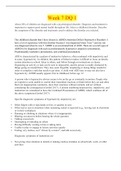
Week 7 DQ 1 About 20% of children are diagnosed with a psychological disorder. Diagnosis and treatment is important to support good mental health throughout life. Select a childhood disorder. Describe the symptoms of the disorder and treatments used to address the disorder you selected. The childhood disorder that I have chosen is ADHD (Attention Deficit Hyperactive Disorder). I have a lot of experience with this disorder because I was diagnosed when I was 7 and my son was diagnosed when he was 5. ADHD is an accelerated link of ADD. There are several types of ADHD to be diagnosed with such as predominantly hyperactive-impulsive presentation, Predominantly inattentive presentation, and combined presentation. ADD is characterized by a pattern of inattentive behavior, often combined with impulsivity and in some, hyperactivity. In children, this pattern of behavior makes it difficult to focus on details, sustain attention in school, listen to others, and follow through on instructions or chores. Organizing an activity or task can be next to impossible, and the person is readily distracted by things going on around them. They may seem forgetful, misplacing or losing things needed in order to complete a task that needs to get done. A child with ADD may or may not also have hyperactivity. ADHD usually appears first in childhood, before age 12. A person who is hyperactive always seems to be on the go or constantly in motion. People who are impulsive seem unable to control their immediate reactions or think before they act and often blurt out inappropriate comments, show their emotions without restraint, and act without considering the consequences (Grohol 2017). A person exhibiting hyperactivity, impulsivity, and inattention are considered to have the Combined Presentation of ADHD, which combines all of the above symptoms (Grohol 2017). Specific diagnostic symptoms of hyperactivity-impulsivity are: Often fidgets with or taps hands or feet, or squirms in seat. Often leaves seat in situations when remaining seated is expected (e.g., leaving seat in classroom or in their workplace) Running or climbing in situations where it is inappropriate Blurting out answers before hearing the whole question Talking excessively Interrupting or intruding on others Having difficulty waiting in line or taking turns Unable to play or engage in leisure activities quietly Feeling very restless, as if “driven by a motor”, and talk excessively. Diagnostic symptoms of inattention are: Not giving close attention to details or making careless mistakes in schoolwork, work, or other activities
Escuela, estudio y materia
- Institución
- Grand Canyon University
- Grado
- PSY- 102
Información del documento
- Subido en
- 4 de diciembre de 2021
- Número de páginas
- 2
- Escrito en
- 2021/2022
- Tipo
- CASO
- Profesor(es)
- Proffessor
- Grado
- A+
Temas
-
week 7 dq 1 about 20 of children are diagnosed with a psychological disorder diagnosis and treatment is important to support good mental health throughout life select a childhood disorder describe

Documento también disponible en un lote