Principles, processes, and procedures for democratic participation
☼ Public participation ☼ Governance ☼ Representation
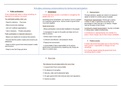
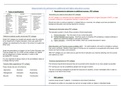
To be involved with others in doing something; to It is the way that a country is controlled or managed by the Through elections, people are voted in to represent /
take part in an activity or an event. people who run it. speak on behalf of a certain group of people.
You participate publicly when you: According to the Constitution, our country is run on a system Proportional representation: Parties get a certain
of co-operative governance. Various levels of government number of seats in parliament according to the
- Stand for elections -Pay taxes
must work together. percentage of votes they get in an election. People
- Attend community meetings vote for the party of their choice.
Good governance:
- Join civil / political organisations Constituency-based representation: Country is divided
- Allows participation and provides feedback to the people
in voting areas, called constituencies.
- Vote in elections -Protest and petition
- Is transparent (is open to the public and does not try to
A constituency is represented by one member of a
Public participation is important because it: hide its actions)
party’s choice. People vote for their chosen candidate.
- Makes sure leaders do not abuse their powers - Delivers basic human rights
- Ensures that the public’s needs and concerns are - Is efficient and effective, and produces results
☼ Petition process
addressed
- Protects the environment
A written document that people sign to show that they
- Helps to inform government about people’s needs
- Is accountable (Takes responsibility for its actions, want a person / organisation to change or to do
and concerns
performance and decisions by explaining why things are something.
- Helps to see that things get done done in a certain way.)
It is a formal request asking the government to do
something about a matter.
☼ Rule of law
The following five principles define the rule of law:
1. A government that is accountable.
2. An absence of corruption.
3. Security, order and fundamental rights.
4. An open government that enforces laws and regulations.
5. Access to justice.
☼ Public participation ☼ Governance ☼ Representation
To be involved with others in doing something; to It is the way that a country is controlled or managed by the Through elections, people are voted in to represent /
take part in an activity or an event. people who run it. speak on behalf of a certain group of people.
You participate publicly when you: According to the Constitution, our country is run on a system Proportional representation: Parties get a certain
of co-operative governance. Various levels of government number of seats in parliament according to the
- Stand for elections -Pay taxes
must work together. percentage of votes they get in an election. People
- Attend community meetings vote for the party of their choice.
Good governance:
- Join civil / political organisations Constituency-based representation: Country is divided
- Allows participation and provides feedback to the people
in voting areas, called constituencies.
- Vote in elections -Protest and petition
- Is transparent (is open to the public and does not try to
A constituency is represented by one member of a
Public participation is important because it: hide its actions)
party’s choice. People vote for their chosen candidate.
- Makes sure leaders do not abuse their powers - Delivers basic human rights
- Ensures that the public’s needs and concerns are - Is efficient and effective, and produces results
☼ Petition process
addressed
- Protects the environment
A written document that people sign to show that they
- Helps to inform government about people’s needs
- Is accountable (Takes responsibility for its actions, want a person / organisation to change or to do
and concerns
performance and decisions by explaining why things are something.
- Helps to see that things get done done in a certain way.)
It is a formal request asking the government to do
something about a matter.
☼ Rule of law
The following five principles define the rule of law:
1. A government that is accountable.
2. An absence of corruption.
3. Security, order and fundamental rights.
4. An open government that enforces laws and regulations.
5. Access to justice.