Nursing A Concept Based Approach to Learning Volume II 2nd Ed
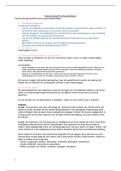
Nursing A Concept Based Approach to Learning Volume II 2nd Ed Nursing: A Concept-Based Approach to Learning, 2e (Pearson) Module 22 Addiction The Concept of Addiction 1) While practicing at an outpatient addiction clinic, the nurse is summarizing a diagram in the orientation handbook for a new associate she is precepting. Which statement most closely aligns with the meaning of this diagram? 1. A) Addiction involves an alteration in the amount of available neurotransmitters. 2. B) Actions at the neurotransmitter level affecting addiction are not genetic. 3. C) High self-esteem as a basis for pleasure seeking lowers neurotransmitter levels. 4. D) An addictive personality is identified by differences in the processing of neurotransmitters. Answer: A Explanation: A) Substances of addiction alter the amount of available neurotransmitters, including dopamine, serotonin, and norepinephrine. Several genes have been identified that seem to influence the risk for alcohol dependence. Low self-esteem increases the risk for addiction. No addictive personality type has been identified. 1. B) Substances of addiction alter the amount of available neurotransmitters, including dopamine, serotonin, and norepinephrine. Several genes have been identified that seem to influence the risk for alcohol dependence. Low self-esteem increases the risk for addiction. No addictive personality type has been identified. 2. C) Substances of addiction alter the amount of available neurotransmitters, including dopamine, serotonin, and norepinephrine. Several genes have been identified that seem to influence the risk for alcohol dependence. Low self-esteem increases the risk for addiction. No addictive personality type has been identified. 3. D) Substances of addiction alter the amount of available neurotransmitters, including dopamine, serotonin, and norepinephrine. Several genes have been identified that seem to influence the risk for alcohol dependence. Low self-esteem increases the risk for addiction. No addictive personality type has been identified. Page Ref: 1520 Cognitive Level: Analyzing Client Need: Physiological Integrity Client Need Sub: Physiological Adaptation Nursing Process: Assessment Learning Outcome: 1. Summarize the physiological and psychological processes that contribute to addiction. 2) During a class for college seniors, a participant admits to frequently using alcohol. What is the priority action of the nurse? 1. A) Initiate a community assessment of the campus. 2. B) Contact the campus nurse and refer the student. 3. C) Notify campus security to watch for driving under the influence. 4. D) Complete a crisis assessment. Answer: D Explanation: A) In a trusting relationship, the nurse will complete a crisis assessment to determine the appropriate action. Contacting the campus nurse is not advised without the student’s permission. There is no evidence that the student is driving under the influence. 1. B) In a trusting relationship, the nurse will complete a crisis assessment to determine the appropriate action. Contacting the campus nurse is not advised without the student’s permission. There is no evidence that the student is driving under the influence. 2. C) In a trusting relationship, the nurse will complete a crisis assessment to determine the appropriate action. Contacting the campus nurse is not advised without the student’s permission. There is no evidence that the student is driving under the influence. 3. D) In a trusting relationship, the nurse will complete a crisis assessment to determine the appropriate action. Contacting the campus nurse is not advised without the student’s permission. There is no evidence that the student is driving under the influence. Page Ref: 1527 Cognitive Level: Applying Client Need: Health Promotion and Maintenance Nursing Process: Implementation Learning Outcome: 4. Differentiate assessments of addictions across the life span. 3) A nursing instructor is teaching her students about the comprehensive theory of addiction by George Engel. Which statement or statements indicate that the student understands the theory? Select all that apply. 1. A) “Addiction occurs due to a lack of emotional attachment.” 2. B) “There is a biological factor involved in the development of addiction.” 3. C) “There are social factors that contribute to the development of addiction.” 4. D) “There is a moral factor involved in the development of addiction.” 5. E) “There is a psychological factor involved in the development of addiction.” Answer: B, C, E Explanation: A) The biopsychosocial explanation of addiction is supported by current research and takes a more holistic view of the problem. The biopsychosocial explanation links biological, psychological, and social factors as contributing to the development of addiction. The view of addiction as a moral disease is nontherapeutic. Viewing addiction as only a behavioral or emotional problem oversimplifies a complex issue. 1. B) The biopsychosocial explanation of addiction is supported by current research and takes a more holistic view of the problem. The biopsychosocial explanation links biological, psychological, and social factors as contributing to the development of addiction. The view of addiction as a moral disease is nontherapeutic. Viewing addiction as only a behavioral or emotional problem oversimplifies a complex issue. 2. C) The biopsychosocial explanation of addiction is supported by current research and takes a more holistic view of the problem. The biopsychosocial explanation links biological, psychological, and social factors as contributing to the development of addiction. The view of addiction as a moral disease is nontherapeutic. Viewing addiction as only a behavioral or emotional problem oversimplifies a complex issue. 3. D) The biopsychosocial explanation of addiction is supported by current research and takes a more holistic view of the problem. The biopsychosocial explanation links biological, psychological, and social factors as contributing to the development of addiction. The view of addiction as a moral disease is nontherapeutic. Viewing addiction as only a behavioral or emotional problem oversimplifies a complex issue. 4. E) The biopsychosocial explanation of addiction is supported by current research and takes a more holistic view of the problem. The biopsychosocial explanation links biological, psychological, and social factors as contributing to the development of addiction. The view of addiction as a moral disease is nontherapeutic. Viewing addiction as only a behavioral or emotional problem oversimplifies a complex issue. Page Ref: 1520 Cognitive Level: Analyzing Client Need: Psychosocial Integrity Nursing Process: Implementation Learning Outcome: 1. Summarize the physiological and psychological processes that contribute to addiction. 4) During visitation on the unit, the nurse is observing the family dynamics of an adolescent client who has an addiction problem and recognizes that the family is experiencing behaviors consistent with codependence. Which problems might the nurse expect this family to manifest on an ongoing basis? 1. A) Frustration intolerance 2. B) Enabling 3. C) Argumentative behaviors 4. D) Impatience Answer: B Explanation: A) Codependents often engage in enabling behavior, which is any action an individual takes that consciously or unconsciously facilitates substance dependence. Although impatience, frustration intolerance, and argumentative behaviors may be present in this family, they are generally not related to the cycle of codependence and addiction. 1. B) Codependents often engage in enabling behavior, which is any action an individual takes that consciously or unconsciously facilitates substance dependence. Although impatience, frustration intolerance, and argumentative behaviors may be present in this family, they are generally not related to the cycle of codependence and addiction. 2. C) Codependents often engage in enabling behavior, which is any action an individual takes that consciously or unconsciously facilitates substance dependence. Although impatience, frustration intolerance, and argumentative behaviors may be present in this family, they are generally not related to the cycle of codependence and addiction. 3. D) Codependents often engage in enabling behavior, which is any action an individual takes that consciously or unconsciously facilitates substance dependence. Although impatience, frustration intolerance, and argumentative behaviors may be present in this family, they are generally not related to the cycle of codependence and addiction. Page Ref: 1526 Cognitive Level: Applying Client Need: Psychosocial Integrity Nursing Process: Implementation Learning Outcome: 2. Examine the relationship between addiction and other concepts/systems. 5) A new nurse orienting to the unit is preparing to assist with obtaining data for a screening tool to determine whether a client is addicted to alcohol. Which tool or tools will be used to assess the client? Select all that apply. 1. A) OOWS 2. B) MAST 3. C) CAGE questionnaire 4. D) B-DAST 5. E) CIWA-ar Answer: B, C, E Explanation: A) The CAGE questionnaire, MAST (Michigan Alcohol Screening Test), and CIWA-ar (Clinical Institute Withdrawal Assessment of Alcohol Revised) are all used to assess for alcohol-related problems. The B-DAST (Brief Drug Abuse Screening Test) is used to assess for addiction to substances other than alcohol. The OOWS (Objective Opiate Withdrawal Scale) is useful for assessing clients who are experiencing opiate withdrawal. 1. B) The CAGE questionnaire, MAST (Michigan Alcohol Screening Test), and CIWA-ar (Clinical Institute Withdrawal Assessment of Alcohol Revised) are all used to assess for alcohol-related problems. The B-DAST (Brief Drug Abuse Screening Test) is used to assess for addiction to substances other than alcohol. The OOWS (Objective Opiate Withdrawal Scale) is useful for assessing clients who are experiencing opiate withdrawal. 2. C) The CAGE questionnaire, MAST (Michigan Alcohol Screening Test), and CIWA-ar (Clinical Institute Withdrawal Assessment of Alcohol Revised) are all used to assess for alcohol-related problems. The B-DAST (Brief Drug Abuse Screening Test) is used to assess for addiction to substances other than alcohol. The OOWS (Objective Opiate Withdrawal Scale) is useful for assessing clients who are experiencing opiate withdrawal. 3. D) The CAGE questionnaire, MAST (Michigan Alcohol Screening Test), and CIWA-ar (Clinical Institute Withdrawal Assessment of Alcohol Revised) are all used to assess for alcohol-related problems. The B-DAST (Brief Drug Abuse Screening Test) is used to assess for addiction to substances other than alcohol. The OOWS (Objective Opiate Withdrawal Scale) is useful for assessing clients who are experiencing opiate withdrawal. 4. E) The CAGE questionnaire, MAST (Michigan Alcohol Screening Test), and CIWA-ar (Clinical Institute Withdrawal Assessment of Alcohol Revised) are all used to assess for alcohol-related problems. The B-DAST (Brief Drug Abuse Screening Test) is used to assess for addiction to substances other than alcohol. The OOWS (Objective Opiate Withdrawal Scale) is useful for assessing clients who are experiencing opiate withdrawal. Page Ref: 1540 Cognitive Level: Understanding Client Need: Psychosocial Integrity Nursing Process: Assessment Learning Outcome: 3. Illustrate the nursing process in providing culturally competent care across the life span for individuals who abuse alcohol. 6) The client enters the Emergency Department with signs of drug use. The client reports having ingested Percocet. Which medications will be indicated to manage a potential overdose? 1. A) Diazepam 2. B) Haldol 3. C) Vitamin B12 4. D) Narcan Answer: D Explanation: A) Percocet is a type of opiate. Narcan is used to treat an overdose of opiates. Diazepam can be prescribed to manage signs of an overdose. Haldol can be administered to manage an overdose of phencyclidine piperidine (PCP). Vitamin B12 is used to manage the neurologic symptoms that might accompany a nitrate overdose. 1. B) Percocet is a type of opiate. Narcan is used to treat an overdose of opiates. Diazepam can be prescribed to manage signs of an overdose. Haldol can be administered to manage an overdose of phencyclidine piperidine (PCP). Vitamin B12 is used to manage the neurologic symptoms that might accompany a nitrate overdose. 2. C) Percocet is a type of opiate. Narcan is used to treat an overdose of opiates. Diazepam can be prescribed to manage signs of an overdose. Haldol can be administered to manage an overdose of phencyclidine piperidine (PCP). Vitamin B12 is used to manage the neurologic symptoms that might accompany a nitrate overdose. 3. D) Percocet is a type of opiate. Narcan is used to treat an overdose of opiates. Diazepam can be prescribed to manage signs of an overdose. Haldol can be administered to manage an overdose of phencyclidine piperidine (PCP). Vitamin B12 is used to manage the neurologic symptoms that might accompany a nitrate overdose. Page Ref: 1540 Cognitive Level: Analyzing Client Need: Physiological Integrity Nursing Process: Implementation Learning Outcome: 6. Explain prevention and management of addictions. 7) At a neighborhood clinic, the nurse is planning addiction treatment groups. What knowledge of addictions and related therapies will facilitate implementation of the groups? 1. A) Relapse is a common feature of substance abuse. 2. B) Hereditary, as well as complex environmental influences, predisposes one to substance dependence. 3. C) Clients with a substance dependence cannot be held accountable for their actions. 4. D) Alcoholics Anonymous (AA) and Narcotics Anonymous (NA) are accepted treatment approaches. Answer: B Explanation: A) Knowing the psychobiology aspects of heritability and predisposition to substance dependence, as well as the complex environmental influences, helps diminish stigma. Acknowledging relapse, treatment approaches, and behavioral intentions does not address the psychobiology of the illness. 1. B) Knowing the psychobiology aspects of heritability and predisposition to substance dependence, as well as the complex environmental influences, helps diminish stigma. Acknowledging relapse, treatment approaches, and behavioral intentions does not address the psychobiology of the illness. 2. C) Knowing the psychobiology aspects of heritability and predisposition to substance dependence, as well as the complex environmental influences, helps diminish stigma. Acknowledging relapse, treatment approaches, and behavioral intentions does not address the psychobiology of the illness. 3. D) Knowing the psychobiology aspects of heritability and predisposition to substance dependence, as well as the complex environmental influences, helps diminish stigma. Acknowledging relapse, treatment approaches, and behavioral intentions does not address the psychobiology of the illness. Page Ref: 1521 Cognitive Level: Applying Client Need: Psychosocial Integrity Nursing Process: Implementation Learning Outcome: 3. Identify commonly occurring addictions and their related therapies. 8) The nurse is called to an injury accident of an employee who has a history of addiction and is currently enrolled in a 12-step recovery program. In accordance with company policy, which test will the nurse perform? 1. A) Liver enzymes 2. B) Stool guaiac 3. C) Urine specific gravity 4. D) Hair testing Answer: D Explanation: A) Hair testing can detect substance use for up to 90 days. Liver enzymes detect liver damage but are not specific to damage from substance abuse. A stool guaiac tests for blood. Urine specific gravity is used to detect dilute or concentrated urine. 1. B) Hair testing can detect substance use for up to 90 days. Liver enzymes detect liver damage but are not specific to damage from substance abuse. A stool guaiac tests for blood. Urine specific gravity is used to detect dilute or concentrated urine. 2. C) Hair testing can detect substance use for up to 90 days. Liver enzymes detect liver damage but are not specific to damage from substance abuse. A stool guaiac tests for blood. Urine specific gravity is used to detect dilute or concentrated urine. 3. D) Hair testing can detect substance use for up to 90 days. Liver enzymes detect liver damage but are not specific to damage from substance abuse. A stool guaiac tests for blood. Urine specific gravity is used to detect dilute or concentrated urine. Page Ref: 1528 Cognitive Level: Understanding Client Need: Health Promotion and Maintenance Nursing Process: Assessment Learning Outcome: 5. Describe diagnostic and laboratory tests to determine an individual’s addiction status. 9) An older woman who emigrated from the Middle East lives with her son. She accompanies him to a clinic where he participates in AA. Which independent nursing action will be most helpful for the nurse to implement with this client? 1. A) Assertiveness training 2. B) Milieu therapy 3. C) Family therapy 4. D) Communication training Answer: D Explanation: A) Many clients and families with addiction need training in communication skills. Verbal and nonverbal communication training is a vital independent nursing action. Cultural norms must be carefully considered prior to implementing assertiveness training. Milieu therapy and family therapy are interventions involving collaboration with therapists. 1. B) Many clients and families with addiction need training in communication skills. Verbal and nonverbal communication training is a vital independent nursing action. Cultural norms must be carefully considered prior to implementing assertiveness training. Milieu therapy and family therapy are interventions involving collaboration with therapists. 2. C) Many clients and families with addiction need training in communication skills. Verbal and nonverbal communication training is a vital independent nursing action. Cultural norms must be carefully considered prior to implementing assertiveness training. Milieu therapy and family therapy are interventions involving collaboration with therapists. 3. D) Many clients and families with addiction need training in communication skills. Verbal and nonverbal communication training is a vital independent nursing action. Cultural norms must be carefully considered prior to implementing assertiveness training. Milieu therapy and family therapy are interventions involving collaboration with therapists. Page Ref: 1528 Cognitive Level: Analyzing Client Need: Psychosocial Integrity Nursing Process: Implementation Learning Outcome: 7. Demonstrate the nursing process in providing culturally competent and caring interventions across the life span for individuals with addictions. 10) The client with a history of alcohol abuse is being discharged. Which intervention is the discharge priority of choice for the multidisciplinary care team in collaboration with the client? 1. A) Disulfiram 2. B) AA 3. C) Contingency contract 4. D) Varenicline Answer: A Explanation: A) Disulfiram (Antabuse) causes the client to become immediately and violently ill when consuming alcohol. AA (Alcoholics Anonymous) and a contingency contract are appropriate tools but are not as urgent as Disulfiram. Varenicline is a drug for smoking cessation. 1. B) Disulfiram (Antabuse) causes the client to become immediately and violently ill when consuming alcohol. AA (Alcoholics Anonymous) and a contingency contract are appropriate tools but are not as urgent as Disulfiram. Varenicline is a drug for smoking cessation. 2. C) Disulfiram (Antabuse) causes the client to become immediately and violently ill when consuming alcohol. AA (Alcoholics Anonymous) and a contingency contract are appropriate tools but are not as urgent as Disulfiram. Varenicline is a drug for smoking cessation. 3. D) Disulfiram (Antabuse) causes the client to become immediately and violently ill when consuming alcohol. AA (Alcoholics Anonymous) and a contingency contract are appropriate tools but are not as urgent as Disulfiram. Varenicline is a drug for smoking cessation. Page Ref: 1533 Cognitive Level: Understanding Client Need: Physiological Integrity Nursing Process: Implementation Learning Outcome: 8. Compare and contrast common independent and collaborative interventions for addiction. Exemplar 22.1 Alcohol Abuse 1) A formerly homeless client has been treated for alcoholism. The client’s physical examination reveals the client has a BMI of 18. Which medications does the nurse expect the physician to prescribe to manage the client’s nutritional status? 1. A) Sertraline (Zoloft) 2. B) Methadone 3. C) Narcan 4. D) Multivitamin with folic acid Answer: D Explanation: A) A client with alcohol dependence may suffer from numerous nutritional deficiencies, including deficiencies in thiamine, folic acid, vitamin A, magnesium, and zinc. A multivitamin may be prescribed to help with these deficiencies. Narcan is used to manage an opiate overdose. Methadone is prescribed to manage heroin cravings. Sertraline (Zoloft) is used to reduce anxiety and stabilize mood. 1. B) A client with alcohol dependence may suffer from numerous nutritional deficiencies, including deficiencies in thiamine, folic acid, vitamin A, magnesium, and zinc. A multivitamin may be prescribed to help with these deficiencies. Narcan is used to manage an opiate overdose. Methadone is prescribed to manage heroin cravings. Sertraline (Zoloft) is used to reduce anxiety and stabilize mood. 2. C) A client with alcohol dependence may suffer from numerous nutritional deficiencies, including deficiencies in thiamine, folic acid, vitamin A, magnesium, and zinc. A multivitamin may be prescribed to help with these deficiencies. Narcan is used to manage an opiate overdose. Methadone is prescribed to manage heroin cravings. Sertraline (Zoloft) is used to reduce anxiety and stabilize mood. 3. D) A client with alcohol dependence may suffer from numerous nutritional deficiencies, including deficiencies in thiamine, folic acid, vitamin A, magnesium, and zinc. A multivitamin may be prescribed to help with these deficiencies. Narcan is used to manage an opiate overdose. Methadone is prescribed to manage heroin cravings. Sertraline (Zoloft) is used to reduce anxiety and stabilize mood. Page Ref: 1566 Cognitive Level: Applying Client Need: Physiological Integrity Nursing Process: Implementation Learning Outcome: 5. Summarize therapies used by interdisciplinary teams in the collaborative care of an individual who abuses alcohol. 2) A college student attends a seminar on alcohol abuse. Which statement would alert the nurse that the student needs more education? 1. A) “The children of alcoholics are less likely to become alcoholics.” 2. B) “Native Americans are more likely to become alcoholics.” 3. C) “Married college graduates are less likely to become alcoholics.” 4. D) “Childless people are more likely to become alcoholics than parents.” Answer: A Explanation: A) A genetic predisposition to alcoholism is established for Native Americans and the children of alcoholics. Married people, college graduates, and parents are less likely to become alcoholics. 1. B) A genetic predisposition to alcoholism is established for Native Americans and the children of alcoholics. Married people, college graduates, and parents are less likely to become alcoholics. 2. C) A genetic predisposition to alcoholism is established for Native Americans and the children of alcoholics. Married people, college graduates, and parents are less likely to become alcoholics. 3. D) A genetic predisposition to alcoholism is established for Native Americans and the children of alcoholics. Married people, college graduates, and parents are less likely to become alcoholics. Page Ref: 1536 Cognitive Level: Analyzing Client Need: Health Promotion and Maintenance Nursing Process: Implementation Learning Outcome: 2. Identify risk factors associated with alcohol use. 3) The nurse has completed her assessment of a client with a history of alcoholism who is hospitalized with anorexia, dysphagia, odynophagia, and chest pressure after eating. Which nursing diagnosis is a priority for this client? 1. A) Ineffective Coping 2. B) Imbalanced Nutrition: Less Than Body Requirements 3. C) Disturbed Sensory Perception 4. D) Disturbed Thought Processes Answer: B Explanation: A) An alcoholic client with anorexia is at risk for Imbalanced Nutrition, Less Than Body Requirements. Ineffective Coping is a potential diagnosis used in substance abuse. Disturbed Thought Processes and Disturbed Sensory Perceptions are diagnoses used for delusions, hallucinations, and illusions that may occur during delirium tremens. 1. B) An alcoholic client with anorexia is at risk for Imbalanced Nutrition, Less Than Body Requirements. Ineffective Coping is a potential diagnosis used in substance abuse. Disturbed Thought Processes and Disturbed Sensory Perceptions are diagnoses used for delusions, hallucinations, and illusions that may occur during delirium tremens. 2. C) An alcoholic client with anorexia is at risk for Imbalanced Nutrition, Less Than Body Requirements. Ineffective Coping is a potential diagnosis used in substance abuse. Disturbed Thought Processes and Disturbed Sensory Perceptions are diagnoses used for delusions, hallucinations, and illusions that may occur during delirium tremens. 3. D) An alcoholic client with anorexia is at risk for Imbalanced Nutrition, Less Than Body Requirements. Ineffective Coping is a potential diagnosis used in substance abuse. Disturbed Thought Processes and Disturbed Sensory Perceptions are diagnoses used for delusions, hallucinations, and illusions that may occur during delirium tremens. Page Ref: 1541 Cognitive Level: Applying Client Need: Physiological Integrity Nursing Process: Implementation Learning Outcome: 4. Formulate priority nursing diagnoses appropriate for an individual who abuses alcohol. 4) A client with alcoholism is receiving court-ordered care in a residential treatment facility. After alcohol is discovered in the client’s room, she denies that it belongs to her. Which statement(s) by the nurse will support the treatment plan made in collaboration with the physician and the addiction therapist? Select all that apply. 1. A) “You will lose your day pass privileges for this Sunday.” 2. B) “We have a video of you accepting the alcohol from your brother.” 3. C) “What do you think about sharing this at AA tonight?” 4. D) “You won’t be allowed to go to dinner tonight.” 5. E) “You have violated our behavior contract.” Answer: A, B, C, E Explanation: A) Used with care and a calm attitude, confrontation interferes with the client’s ability to use denial or rationalization. Losing privileges is a consequence of violating the behavior contract. Participation in AA will provide peer feedback. Withholding food is inappropriate, particularly for a client with potential nutritional deficits. 1. B) Used with care and a calm attitude, confrontation interferes with the client’s ability to use denial or rationalization. Losing privileges is a consequence of violating the behavior contract. Participation in AA will provide peer feedback. Withholding food is inappropriate, particularly for a client with potential nutritional deficits. 2. C) Used with care and a calm attitude, confrontation interferes with the client’s ability to use denial or rationalization. Losing privileges is a consequence of violating the behavior contract. Participation in AA will provide peer feedback. Withholding food is inappropriate, particularly for a client with potential nutritional deficits. 3. D) Used with care and a calm attitude, confrontation interferes with the client’s ability to use denial or rationalization. Losing privileges is a consequence of the violating the behavior contract. Participation in AA will provide peer feedback. Withholding food is inappropriate, particularly for a client with potential nutritional deficits. 4. E) Used with care and a calm attitude, confrontation interferes with the client’s ability to use denial or rationalization. Losing privileges is a consequence of violating the behavior contract. Participation in AA will provide peer feedback. Withholding food is inappropriate, particularly for a client with potential nutritional deficits. Page Ref: 1541 Cognitive Level: Evaluating Client Need: Psychosocial Integrity Nursing Process: Caring Learning Outcome: 5. Summarize therapies used by interdisciplinary teams in the collaborative care of an individual who abuses alcohol. 5) The nurse is evaluating outcome goals written by a student for an alcoholic client being discharged from a detoxification program. Which outcome or outcomes now are appropriate for this client? Select all that apply. 1. A) Follow a 2000-calorie high-carbohydrate diet. 2. B) Sponsor a participant in Alcoholics Anonymous (AA) meetings.
Libro relacionado
- 2017
- 9781284081428
- Desconocido
Escuela, estudio y materia
- Institución
- Howard University
- Grado
- Nursing (NUR314)
Información del documento
- Subido en
- 6 de octubre de 2021
- Número de páginas
- 95
- Escrito en
- 2021/2022
- Tipo
- Examen
- Contiene
- Preguntas y respuestas
Temas
-
nursing a concept based approach to learning volume ii 2nd ed