Problem 2
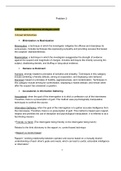
1.What types of interview strategies exist?
3 broad dichotomies
Minimization vs Maximization
Minimization: a technique in which the investigator mitigates the offense and downplays its
seriousness. Includes techniques like expressing sympathy and providing excuses that lessen
the suspects’ blameworthiness.
Maximization: a technique in which the investigator exaggerates the strength of evidence
against the suspect and magnitude of charges. Includes techniques like directly accusing the
subject, disallowing denials, and bluffing or lying about evidence.
Humane vs Dominant
Humane: strongly related to principles of sensitive and empathy. Techniques in this category
include exhibiting a friendly attitude, aiming at cooperation, and displaying calm behavior.
Dominant: based on principles of hostility, aggressiveness, and condemnation. Techniques in
this category include striving for confrontation, displaying a hostile attitude, and remain silent
after the suspect has answered a question.
Accusatorial vs Information Gathering
Accusatorial: when the goal of the interrogation is to elicit a confession out of the interviewee.
Therefore, there is a presumption of guilt. This method uses psychologically manipulative
techniques to confront the source.
Information Gathering: when the goal of the interrogation is to gather accurate intelligence from
the interviewee. Therefore, there is no presumption of guilt. This method is based upon rapport,
respect and prohibits the use of deception and psychological manipulation. It is referred to as a
fact-finding mission.
~Friendly vs Harsh (The interrogator being friendly vs the interrogator being harsh)
Related to the third dichotomy is the rapport vs. control-based technique
~Rapport vs Control based
Rapport: “working relationship between operator and source based on a mutually shared
understanding of each other's goals and needs, which can lead to useful, actionable intelligence
or information”
1
, Control-Based: when the interrogator uses authoritative tactics to assert his/her power and elicit
fear from the interviewee.
Information gathering is based on rapport while accusatorial is based on control based.
→ These categories are very broad: every method includes several techniques and
operators use multiple techniques representing multiple categories
There are also specific techniques that are used such as touching the suspect in a friendly
manner, appealing to religion, yelling, or using open-ended questions.
Kelly and Kleinman (2015)
Macro-level categories: dichotomous approaches described above such as information
gathering versus accusatorial methods, friendly versus harsh, etc.
Meso- or intermediate level: Consist of six cluster domains: rapport & relationship building,
context manipulation, emotion provocation, collaboration, confrontation/competition, and
presentation of evidence.
All these domains function interdependently together in the Theoretical interactive process
model:
- All components of the model must function together to work properly. However, this does
not imply that all components are of equal import.
- One necessary aspect of the model is ‘rapport building’ which is critical to any successful
interrogation. Rapport is considered as a state of communicative alliance and consists of
mutual attention, positivity, and reciprocity. No other domains are possible without first
establishing rapport.
- The context manipulation envelops the model because the physical setting and other
non- interpersonal techniques ought to be considered in all interrogation sessions.
Techniques in this domain include considering the time of
day when the interrogation takes place, creating a
comfortable atmosphere, or even arranging the furniture in a
specific fashion.
- Once rapport has been successfully established and
depending on the contextual factors in the interrogation room,
the process then moves to one of the four interpersonal
domains within the model.
- Emotion Provocation and Presentation of Evidence domains
are theorized to act as mediators to Confrontation and
Collaboration.
- Presentation of evidence includes the way evidence is
disclosed to the suspect. For example, suspects may take a polygraph test and tell them
they failed it.
- The Confrontation and Collaboration domains represent ‘dead-ends’.
2
1.What types of interview strategies exist?
3 broad dichotomies
Minimization vs Maximization
Minimization: a technique in which the investigator mitigates the offense and downplays its
seriousness. Includes techniques like expressing sympathy and providing excuses that lessen
the suspects’ blameworthiness.
Maximization: a technique in which the investigator exaggerates the strength of evidence
against the suspect and magnitude of charges. Includes techniques like directly accusing the
subject, disallowing denials, and bluffing or lying about evidence.
Humane vs Dominant
Humane: strongly related to principles of sensitive and empathy. Techniques in this category
include exhibiting a friendly attitude, aiming at cooperation, and displaying calm behavior.
Dominant: based on principles of hostility, aggressiveness, and condemnation. Techniques in
this category include striving for confrontation, displaying a hostile attitude, and remain silent
after the suspect has answered a question.
Accusatorial vs Information Gathering
Accusatorial: when the goal of the interrogation is to elicit a confession out of the interviewee.
Therefore, there is a presumption of guilt. This method uses psychologically manipulative
techniques to confront the source.
Information Gathering: when the goal of the interrogation is to gather accurate intelligence from
the interviewee. Therefore, there is no presumption of guilt. This method is based upon rapport,
respect and prohibits the use of deception and psychological manipulation. It is referred to as a
fact-finding mission.
~Friendly vs Harsh (The interrogator being friendly vs the interrogator being harsh)
Related to the third dichotomy is the rapport vs. control-based technique
~Rapport vs Control based
Rapport: “working relationship between operator and source based on a mutually shared
understanding of each other's goals and needs, which can lead to useful, actionable intelligence
or information”
1
, Control-Based: when the interrogator uses authoritative tactics to assert his/her power and elicit
fear from the interviewee.
Information gathering is based on rapport while accusatorial is based on control based.
→ These categories are very broad: every method includes several techniques and
operators use multiple techniques representing multiple categories
There are also specific techniques that are used such as touching the suspect in a friendly
manner, appealing to religion, yelling, or using open-ended questions.
Kelly and Kleinman (2015)
Macro-level categories: dichotomous approaches described above such as information
gathering versus accusatorial methods, friendly versus harsh, etc.
Meso- or intermediate level: Consist of six cluster domains: rapport & relationship building,
context manipulation, emotion provocation, collaboration, confrontation/competition, and
presentation of evidence.
All these domains function interdependently together in the Theoretical interactive process
model:
- All components of the model must function together to work properly. However, this does
not imply that all components are of equal import.
- One necessary aspect of the model is ‘rapport building’ which is critical to any successful
interrogation. Rapport is considered as a state of communicative alliance and consists of
mutual attention, positivity, and reciprocity. No other domains are possible without first
establishing rapport.
- The context manipulation envelops the model because the physical setting and other
non- interpersonal techniques ought to be considered in all interrogation sessions.
Techniques in this domain include considering the time of
day when the interrogation takes place, creating a
comfortable atmosphere, or even arranging the furniture in a
specific fashion.
- Once rapport has been successfully established and
depending on the contextual factors in the interrogation room,
the process then moves to one of the four interpersonal
domains within the model.
- Emotion Provocation and Presentation of Evidence domains
are theorized to act as mediators to Confrontation and
Collaboration.
- Presentation of evidence includes the way evidence is
disclosed to the suspect. For example, suspects may take a polygraph test and tell them
they failed it.
- The Confrontation and Collaboration domains represent ‘dead-ends’.
2