Hinduism
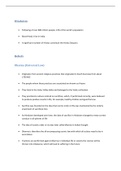
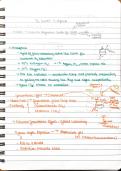
Following of over 800 million people, 13% of the world’s population
Most Hindu’s live in India
A significant number of Hindus constitute the Hindu Diaspora
Beliefs
Dharma (Universal Law)
Originates from ancient religious practices that originated in South East Asia from about
1700 BCE
The people whom these practices are associated are known as Aryans
They lived in the Indus Valley delta and belonged to the Vedic civilization
They practiced a culture centred on sacrifices, which, if performed correctly, were believed
to produce positive results in life, for example, healthy children and good fortune
Sacrifice was founded on the idea that cosmic order or Rta was maintained by the orderly
enactment of sacrificial rites
As Hinduism developed over time, the idea of sacrifice in Hinduism changed to mean correct
conduct in all spheres of life
The idea of cosmic order or rta was later called dharma in Indian thought
Dharma is therefore the all-encompassing cosmic law with which all actions need to be in
accordance
If actions are performed against dharma in individual life or society the cosmos will be
thrown into imbalance, which will lead to suffering in the future
,Karma (Law of Action)
Has its roots in the enactment of the ancient Vedic sacrificial rites where sacrifices had to be
performed correctly by the priests to ensure cosmic order was maintained
Later, karma developed into an ethical concept wherein the action, both physical and
mental, of individuals or groups were believed to shape their future lives
The Law of Karma is the recognition that action, both individuals and social, need to be in
accordance with dharma
Samsara (direct translation: to wander)
Translated in English as the cycle of rebirth, which implies that the soul continually enters
different bodies, going through a continuous cyclical process of birth, decay, death and birth
again
As the soul migrates from body to body, it carries karma from previous lives that will affect
the present life
Samsara is tied to the idea of avidya, or ignorance
Avidya prevents people from being released from the cycle of rebirth
Moksha (liberation)
The idea of liberation or moksha is seen to be the single goal of humanity
Moksha is the release from entrapment by avidya in samsara
Moksha occurs when the truth of the individual’s soul (atman) is identified with the
Universal soul (Brahman)
, The historical development of beliefs
The beginnings
The earliest roots can be dated back to the excavated settlements and unearthed artefacts
by archaeologists in the Indus valley delta, which date back to approximately 300 BCE
Know little about this culture, its beliefs and practices
Only knowledge comes from excavations on the sites of two prominent cities of that era at
Harappa and Mohenjodaro and surrounding settlements, sadly the archaeological artefacts
reveal very little about the culture and beliefs of the people who lived in these cities
Scholars have far more knowledge of the subsequent period in Hinduism’s development.
This period began between 1700 and 1500 BCE, when waves of Aryans migrated from
present day Iran into the Indus valley region
They shared a family of languages today known as Indo-Iranian
One of these languages was Sanskrit used by the Aryan settlers in the Indus delta region
The word Hindu seems to have its roots in the Sanskrit term Sindhu (ocean) which referred
to the great Indus river along which earliest inhabitants of modern day Pakistan lived
The Aryans living in the Indus area were the authors of the Ancient Hindu texts, the Vedas,
hence this civilization is known as the Vedic civilization
These texts offer praise and describe priestly or Brahminical sacrificial practices
Some of these Gods Include:
Varuna - the god of the sky
Indra - the god of war and thunder
Surya - the sun god
Rudra - storm deity
Yama - the god of death
Agni - the god of fire and sacrifice
Following of over 800 million people, 13% of the world’s population
Most Hindu’s live in India
A significant number of Hindus constitute the Hindu Diaspora
Beliefs
Dharma (Universal Law)
Originates from ancient religious practices that originated in South East Asia from about
1700 BCE
The people whom these practices are associated are known as Aryans
They lived in the Indus Valley delta and belonged to the Vedic civilization
They practiced a culture centred on sacrifices, which, if performed correctly, were believed
to produce positive results in life, for example, healthy children and good fortune
Sacrifice was founded on the idea that cosmic order or Rta was maintained by the orderly
enactment of sacrificial rites
As Hinduism developed over time, the idea of sacrifice in Hinduism changed to mean correct
conduct in all spheres of life
The idea of cosmic order or rta was later called dharma in Indian thought
Dharma is therefore the all-encompassing cosmic law with which all actions need to be in
accordance
If actions are performed against dharma in individual life or society the cosmos will be
thrown into imbalance, which will lead to suffering in the future
,Karma (Law of Action)
Has its roots in the enactment of the ancient Vedic sacrificial rites where sacrifices had to be
performed correctly by the priests to ensure cosmic order was maintained
Later, karma developed into an ethical concept wherein the action, both physical and
mental, of individuals or groups were believed to shape their future lives
The Law of Karma is the recognition that action, both individuals and social, need to be in
accordance with dharma
Samsara (direct translation: to wander)
Translated in English as the cycle of rebirth, which implies that the soul continually enters
different bodies, going through a continuous cyclical process of birth, decay, death and birth
again
As the soul migrates from body to body, it carries karma from previous lives that will affect
the present life
Samsara is tied to the idea of avidya, or ignorance
Avidya prevents people from being released from the cycle of rebirth
Moksha (liberation)
The idea of liberation or moksha is seen to be the single goal of humanity
Moksha is the release from entrapment by avidya in samsara
Moksha occurs when the truth of the individual’s soul (atman) is identified with the
Universal soul (Brahman)
, The historical development of beliefs
The beginnings
The earliest roots can be dated back to the excavated settlements and unearthed artefacts
by archaeologists in the Indus valley delta, which date back to approximately 300 BCE
Know little about this culture, its beliefs and practices
Only knowledge comes from excavations on the sites of two prominent cities of that era at
Harappa and Mohenjodaro and surrounding settlements, sadly the archaeological artefacts
reveal very little about the culture and beliefs of the people who lived in these cities
Scholars have far more knowledge of the subsequent period in Hinduism’s development.
This period began between 1700 and 1500 BCE, when waves of Aryans migrated from
present day Iran into the Indus valley region
They shared a family of languages today known as Indo-Iranian
One of these languages was Sanskrit used by the Aryan settlers in the Indus delta region
The word Hindu seems to have its roots in the Sanskrit term Sindhu (ocean) which referred
to the great Indus river along which earliest inhabitants of modern day Pakistan lived
The Aryans living in the Indus area were the authors of the Ancient Hindu texts, the Vedas,
hence this civilization is known as the Vedic civilization
These texts offer praise and describe priestly or Brahminical sacrificial practices
Some of these Gods Include:
Varuna - the god of the sky
Indra - the god of war and thunder
Surya - the sun god
Rudra - storm deity
Yama - the god of death
Agni - the god of fire and sacrifice