|SOLVED|HSCO 502-Human Growth and Development – Test 2 100% Complete Solution Guide A+ Graded
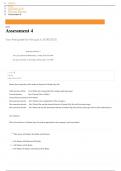
Question 1 2 out of 2 points When data are analyzed together from a large number of different studies on the same question, like “are there sex differences in nurturing tendencies,” the report is called a Selected Answer: Metaanalysis. • Question 2 2 out of 2 points Beliefs about sex differences sometimes are supported by research and sometimes are not. Which of the following gender stereotypes is not supported by research? Selected Answer: Females tend to be more sociable and prosocial than males. • Question 3 2 out of 2 points Which of the following is a well-documented gender difference in brain structure? Selected Answer: Male brains are more lateralized than female brains. • Question 4 2 out of 2 points Which of the following is true with regard to the way coping styles relate to depression? Selected Answer: Distraction shortens episodes of depression by shortening the time spent focusing on negative events and thus lessening their intensity. • Question 5 2 out of 2 points What is the “two-pronged approach” to helping adolescents with their behavioral, social, or academic problems? Drone IT Selected Answer: A focus on reducing risk factors while also enhancing protective factors. • Question 6 2 out of 2 points Which of the following parenting styles is most closely associated with positive outcomes in psychosocial development and school achievement for adolescents? Selected Answer: Authoritati ve • Question 7 2 out of 2 points Which of the following elements is most closely ass
Escuela, estudio y materia
- Institución
- Liberty University
- Grado
- HSCO 502-Human Growth and Development
Información del documento
- Subido en
- 2 de septiembre de 2021
- Número de páginas
- 8
- Escrito en
- 2021/2022
- Tipo
- Examen
- Contiene
- Preguntas y respuestas
Temas
-
” the report is call
-
question 1 2 out of 2 points when data are analyzed together from a large number of different studies on the same question
-
like “are there sex differences in nurturing tendencies