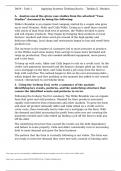
NR 325 Endocrine Disorders – Worksheet
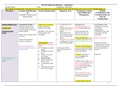
NR 325 Endocrine Disorders – Worksheet Student Name: Date: Assignment Week/Day: Please fill-up the columns below with major take-away or focus points for each topic/disorder. Review materials from previous courses such as Pathophysiology, etc. Disorder/s Etiology/Pathophysiolo gy (Possible Causative and Risk Factors) Clinical Manifestations Diagnostic Tests Nursing Interventions and Collaborative Management Possible Complications and Treatments/Interven tions for Complications Diabetes Mellitus Type I Juvenile-onset Insulin-dependent disease *Normal glucose level in range of 70 to 110 mg/dL* Autoimmune disorder in which the body develops antibodies against insulin and/or pancreatic B cells that produce insulin. Results are not enough insulin to survive. Patients take exogenous insulin to compensate. Most insulin receptors are located on skeletal muscle, fat, and liver cells. Rapid Onset of symptoms: Sudden weight loss, weakness and fatigue. Polydipsia 12L (excessive thirst), polyuria, and polyphagia. Hyperglycemia: Plasma glucose level 200 mg/dL of higher o Polyphagia- increased hungry o Polydipsia- excessive thirst o Polyuria- excessive urine output o Acetone breath o Nausea, fatigue, and blurred vision o Un-explained weight loss o Fasting plasma glucose level 110-126 mg/dL 1. A1c level of 6.5% or greater 2. Fasting plasma glucose level at or above 126 mg/dL. (No food for 8 hrs) 3. 2-hour plasma glucose level at or above 200 mg/dL 4. Hyperglycemic crisis of a random test of at least 200 and higher mg/dL Fructosamine reflects glycemia in previous 1-3 weeks Management for hypoglycemia (below 70 mg/dl) and hyperglycemia. Control emotional and physical stress that can increase blood glucose. Insulin administration: Goal is to achieve a glucose level of 80 to 130 mg/dL before meals Footcare and dental hygiene: encourage daily brushing and flossing in addition to regular visits to the dentist. Exercise: 30 minutes- 5 days/wk aerobic (150 minutes/week) schedule exercise about 1 hour after a meal or that they have a 10- to 15-g carbohydrate snack and check their blood glucose level before exercising. Avoid strenuous exercises may cause stress that causes elevated blood glucose. Teaching while Acutely Ill: Adult blindness (DM retinopathy), end-stage renal disease (nephropathy), nontraumatic lower limb amputations and DM neuropathy. Diabetic ketoacidosis Pancreas and Kidney Transplantations, usually it is done with patients who have end-stage kidney disease. Glaucoma 1
Escuela, estudio y materia
- Institución
- Chamberlain College Of Nursing
- Grado
- NR 325
Información del documento
- Subido en
- 16 de agosto de 2021
- Número de páginas
- 31
- Escrito en
- 2021/2022
- Tipo
- Examen
- Contiene
- Preguntas y respuestas
Temas
-
nr 325 endocrine disorders – worksheet
-
student name date assignment weekday please fill up the columns below with major take away or focus points for each topicdisorder review materials from pre

Documento también disponible en un lote