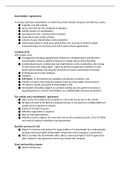
Shareholders’ Agreements
A contract between shareholders to which the private limited company will often be a party
■ Typically a SA will contain:
■ terms and rules for the resolution of disputes;
■ specific powers of shareholders;
■ procedures for the running of the company.
■ Generally private (unlike articles)
■ A device to give shareholders more protection
■ Useful particularly in small quasi partnership coys, but also in venture capital
transactions(buy ins and buy outs) and in joint venture agreements.
Contents of SA
Will usually cover:
■ management including appointment of directors, dividend policy and directors’
remuneration, limits on ability to borrow or change nature of the business;
■ constitutional issues: relationship and modifications to the constitution, the issuing
of new shares and voting rights , rights to attend management meetings or have
board representation and minority protection provision and dispute resolution
■ Funding sources for the company;
■ Taxation;
■ Exit issues: ie mechanisms for deadlock and dispute resolution, and
■ transfer of shares (including pre-emptive share purchase rights and provisions
■ for divorce, death, incapacity of shareholders) and
■ termination (including triggers to a solvent winding up and agreed restraints on
departing directors and/or shareholders- ip, confidentiality and data protection).
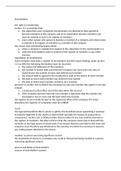
The articles and a shareholders’ agreement
■ Most of the items likely to be included in a SA could also be put in the articles.
■ SA does not need to be filed at Companies House so can preserve confidentiality but
parties need to address re articles:
■ Extent of overlap necessary
■ Whether registration is required
■ Best to draft both together
■ Whether need to register SA =uncertain but worth considering (note s 29 of CA 2006
and need to register resolutions and agreements)
Benefits and uses of a SA
■ Object: to improve and protect the legal position of a shareholder by creating legally
binding contractual rights enforceable irrespective of the company’s constitution.
■ Effect: provides the shareholder with a direct contractual right of action against the
other parties to the agreement which may include the company.
Quasi-partnership company
■ Need a SA because:
A contract between shareholders to which the private limited company will often be a party
■ Typically a SA will contain:
■ terms and rules for the resolution of disputes;
■ specific powers of shareholders;
■ procedures for the running of the company.
■ Generally private (unlike articles)
■ A device to give shareholders more protection
■ Useful particularly in small quasi partnership coys, but also in venture capital
transactions(buy ins and buy outs) and in joint venture agreements.
Contents of SA
Will usually cover:
■ management including appointment of directors, dividend policy and directors’
remuneration, limits on ability to borrow or change nature of the business;
■ constitutional issues: relationship and modifications to the constitution, the issuing
of new shares and voting rights , rights to attend management meetings or have
board representation and minority protection provision and dispute resolution
■ Funding sources for the company;
■ Taxation;
■ Exit issues: ie mechanisms for deadlock and dispute resolution, and
■ transfer of shares (including pre-emptive share purchase rights and provisions
■ for divorce, death, incapacity of shareholders) and
■ termination (including triggers to a solvent winding up and agreed restraints on
departing directors and/or shareholders- ip, confidentiality and data protection).
The articles and a shareholders’ agreement
■ Most of the items likely to be included in a SA could also be put in the articles.
■ SA does not need to be filed at Companies House so can preserve confidentiality but
parties need to address re articles:
■ Extent of overlap necessary
■ Whether registration is required
■ Best to draft both together
■ Whether need to register SA =uncertain but worth considering (note s 29 of CA 2006
and need to register resolutions and agreements)
Benefits and uses of a SA
■ Object: to improve and protect the legal position of a shareholder by creating legally
binding contractual rights enforceable irrespective of the company’s constitution.
■ Effect: provides the shareholder with a direct contractual right of action against the
other parties to the agreement which may include the company.
Quasi-partnership company
■ Need a SA because: