

lOMoAR cPSD| 67691079
Introduction to Normocytic Anemias
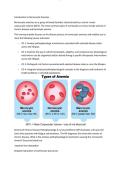
Normocytic anemias are a group of blood disorders characterized by a norma l mean
corpuscular volume (MCV). The most common types of normocytic an emias include anemia of
chronic disease and hemolytic anemia.
This learning module focuses on the disease process of normocytic anemias and enables you to
meet the following course outcomes:
• CO 1: Analyze pathophysiologic mechanisms associated with selected disease states
across the lifespan.
• CO 2: Examine the way in which homeostatic, adaptive, and compensa tory physiological
mechanisms can be supported and/or altered throug h specific therapeutic interventions
across the lifespan.
• CO 3: Distinguish risk factors associated with selected disease states a cross the lifespan.
• CO 4: Integrate advanced pathophysiological concepts in the diagnosis and treatment of
health problems in selected populations.
Anemia of Chronic Disease Pathophysiology A nurse practitioner (NP) evaluates a 45-year-old
client who presents with fatigue and weakness. The NP diagnoses the client with anemia of
chronic disease. What is the primary pathophysiological mechanism causing this normocytic
anemia? Excessive blood loss
Impaired iron absorption
Delayed maturation of erythrocyte precursors
, lOMoAR cPSD| 67691079
Defective erythropoiesis
The primary pathophysiological mechanism underlying normocytic anemias such as anemia of
chronic disease is defective erythropoiesis. Chronic inflammation affects the bone marrow,
leading to impaired production of red blood cells despite adequate iron availability.
Impaired iron absorption is more relevant to microcytic anemias, where the size of red blood
cells is reduced due to insufficient iron for hemoglobin synthesis. Excessive blood loss typically
results in hypovolemic anemia and can lead to microcytic or normocytic anemia, depending on
the rate of blood loss. However, normocytic anemias are not primarily characterized by
excessive blood loss. Delayed maturation of erythrocyte precursors is a characteristic feature of
macrocytic anemias, not normocytic anemias.
A nurse practitioner (NP) evaluates a 28-year-old client who presents with fatigue, jaundice, and
dark-colored urine. The NP diagnoses the client with hemolytic anemia. What is the most likely
pathophysiological mechanism causing this normocytic anemia?
Impaired iron absorption
Increased red blood cell destruction
Excessive blood loss
Defective erythropoiesis
Hemolytic anemia is characterized by the premature destruction of red blood cells, leading to
the release of hemoglobin. The symptoms of fatigue, jaundice, and dark-colored urine are
classic manifestations of hemolysis.
Impaired iron absorption is more relevant to microcytic anemias, where the size of red blood
cells is reduced due to insufficient iron for hemoglobin synthesis.
Defective erythropoiesis involves abnormalities in the production of red blood cells. While it can
contribute to certain types of anemias, hemolytic anemia is primarily characterized by the
accelerated destruction of mature red blood cells.
Excessive blood loss, while a cause of anemia, typically leads to hypovolemic anemia rather than
hemolytic anemia.
Risk for Hemolytic Anemia
Which client should the nurse practitioner (NP) recognize as most at risk for developing
hemolytic anemia?
, lOMoAR cPSD| 67691079
60-year-old with a history of iron-deficiency anemia
35-year-old who recently underwent surgery for a bleeding ulcer
28-year-old with a family history of thalassemia
50-year-old who experienced a transfusion reaction after a blood transfusion
A client who experienced a transfusion reaction after a blood transfusion is at significant
risk for developing hemolytic anemia. Transfusion reactions can involve the destruction
of donor red blood cells, leading to hemolysis and associated symptoms such as fever,
chills, and jaundice.
Iron-deficiency anemia is characterized by a lack of iron to produce hemoglobin. It does
not inherently predispose individuals to hemolytic anemia.
Thalassemia is a genetic disorder affecting the production of hemoglobin but does not
directly lead to hemolysis of red blood cells, a key feature of hemolytic anemia.
Excessive blood loss from surgery can lead to hypovolemic anemia but does not
inherently cause hemolysis.
Pathophysiology of Normocytic Anemias
Normocytic anemias are characterized by the presence of normal-sized red blood cells.
The red blood cells of normocytic anemias have a mean corpuscular volume (MCV) of
80-99 dL. When a client presents with normocytic anemia, a reticulocyte count should
be performed to assess the number of immature red blood cells in the bone marrow.
Hemolytic anemia and anemia due to blood loss will cause elevated reticulocyte
counts because the bone marrow is compensating for a loss.
The pathophysiology of normocytic anemia can be attributed to various underlying
causes, and it often involves disruptions in the production, maturation, or survival of red
blood cells. Some common causes of normocytic anemias include chronic inflammatory
diseases, chronic kidney disease, hemolytic anemias, chronic blood loss, endocrine
disorders, bone marrow disorders, nutritional deficiencies, and chronic
hemoglobinopathies.
, lOMoAR cPSD| 67691079
Pathophysiology of Anemia of Chronic Disease
Anemia of chronic disease is a mild to moderate anemia associated with chronic diseas
e or inflammation. The condition results from a combination of factors including shorten
ed lifespan of red blood cells, suppressed production of erythropoietin, inadequate bone
marrow response to erythropoietin, and impaired iron metabolism and utilization.
Introduction to Normocytic Anemias
Normocytic anemias are a group of blood disorders characterized by a norma l mean
corpuscular volume (MCV). The most common types of normocytic an emias include anemia of
chronic disease and hemolytic anemia.
This learning module focuses on the disease process of normocytic anemias and enables you to
meet the following course outcomes:
• CO 1: Analyze pathophysiologic mechanisms associated with selected disease states
across the lifespan.
• CO 2: Examine the way in which homeostatic, adaptive, and compensa tory physiological
mechanisms can be supported and/or altered throug h specific therapeutic interventions
across the lifespan.
• CO 3: Distinguish risk factors associated with selected disease states a cross the lifespan.
• CO 4: Integrate advanced pathophysiological concepts in the diagnosis and treatment of
health problems in selected populations.
Anemia of Chronic Disease Pathophysiology A nurse practitioner (NP) evaluates a 45-year-old
client who presents with fatigue and weakness. The NP diagnoses the client with anemia of
chronic disease. What is the primary pathophysiological mechanism causing this normocytic
anemia? Excessive blood loss
Impaired iron absorption
Delayed maturation of erythrocyte precursors
, lOMoAR cPSD| 67691079
Defective erythropoiesis
The primary pathophysiological mechanism underlying normocytic anemias such as anemia of
chronic disease is defective erythropoiesis. Chronic inflammation affects the bone marrow,
leading to impaired production of red blood cells despite adequate iron availability.
Impaired iron absorption is more relevant to microcytic anemias, where the size of red blood
cells is reduced due to insufficient iron for hemoglobin synthesis. Excessive blood loss typically
results in hypovolemic anemia and can lead to microcytic or normocytic anemia, depending on
the rate of blood loss. However, normocytic anemias are not primarily characterized by
excessive blood loss. Delayed maturation of erythrocyte precursors is a characteristic feature of
macrocytic anemias, not normocytic anemias.
A nurse practitioner (NP) evaluates a 28-year-old client who presents with fatigue, jaundice, and
dark-colored urine. The NP diagnoses the client with hemolytic anemia. What is the most likely
pathophysiological mechanism causing this normocytic anemia?
Impaired iron absorption
Increased red blood cell destruction
Excessive blood loss
Defective erythropoiesis
Hemolytic anemia is characterized by the premature destruction of red blood cells, leading to
the release of hemoglobin. The symptoms of fatigue, jaundice, and dark-colored urine are
classic manifestations of hemolysis.
Impaired iron absorption is more relevant to microcytic anemias, where the size of red blood
cells is reduced due to insufficient iron for hemoglobin synthesis.
Defective erythropoiesis involves abnormalities in the production of red blood cells. While it can
contribute to certain types of anemias, hemolytic anemia is primarily characterized by the
accelerated destruction of mature red blood cells.
Excessive blood loss, while a cause of anemia, typically leads to hypovolemic anemia rather than
hemolytic anemia.
Risk for Hemolytic Anemia
Which client should the nurse practitioner (NP) recognize as most at risk for developing
hemolytic anemia?
, lOMoAR cPSD| 67691079
60-year-old with a history of iron-deficiency anemia
35-year-old who recently underwent surgery for a bleeding ulcer
28-year-old with a family history of thalassemia
50-year-old who experienced a transfusion reaction after a blood transfusion
A client who experienced a transfusion reaction after a blood transfusion is at significant
risk for developing hemolytic anemia. Transfusion reactions can involve the destruction
of donor red blood cells, leading to hemolysis and associated symptoms such as fever,
chills, and jaundice.
Iron-deficiency anemia is characterized by a lack of iron to produce hemoglobin. It does
not inherently predispose individuals to hemolytic anemia.
Thalassemia is a genetic disorder affecting the production of hemoglobin but does not
directly lead to hemolysis of red blood cells, a key feature of hemolytic anemia.
Excessive blood loss from surgery can lead to hypovolemic anemia but does not
inherently cause hemolysis.
Pathophysiology of Normocytic Anemias
Normocytic anemias are characterized by the presence of normal-sized red blood cells.
The red blood cells of normocytic anemias have a mean corpuscular volume (MCV) of
80-99 dL. When a client presents with normocytic anemia, a reticulocyte count should
be performed to assess the number of immature red blood cells in the bone marrow.
Hemolytic anemia and anemia due to blood loss will cause elevated reticulocyte
counts because the bone marrow is compensating for a loss.
The pathophysiology of normocytic anemia can be attributed to various underlying
causes, and it often involves disruptions in the production, maturation, or survival of red
blood cells. Some common causes of normocytic anemias include chronic inflammatory
diseases, chronic kidney disease, hemolytic anemias, chronic blood loss, endocrine
disorders, bone marrow disorders, nutritional deficiencies, and chronic
hemoglobinopathies.
, lOMoAR cPSD| 67691079
Pathophysiology of Anemia of Chronic Disease
Anemia of chronic disease is a mild to moderate anemia associated with chronic diseas
e or inflammation. The condition results from a combination of factors including shorten
ed lifespan of red blood cells, suppressed production of erythropoietin, inadequate bone
marrow response to erythropoietin, and impaired iron metabolism and utilization.

