Lecture Notes:
04 February 2014
01:58 PM
04 February:
Introductory lecture
Consultation hours:
Tues 11-1
Wed 1-3
Office number correction:
2001 OUH
05 February:
Chapter 1: Introduction to the history and theory of the Law of Evidence:
Introduction:
Existence or non-existence of facts must be probed, before pronouncement of rights and
duties can be determined
o Validity of a contract being disputed for eg
Validity of the contract and existence thereof must first be determined before the
rights and duties flowing from contract can be determined
Proof of facts is regulated by law of evidence
Law of evidence with crim proc
o Adjectival law (procedural law)
What differentiates procedural law from private law is the fact that eng law is
regarded as the CL of the SA law of evidence
NO RDL is applicable with law of evidence NB!!!!!!!!!!!!!!!!!!!!!!!
Function:
Law of evidence gives practical meaning to the substantive law and which makes it effective
Which facts are legally admissible
o R v Smith
Accused was accused of the murder of his wife
She was found in the bath (drowned)
No bruises on the body
Man was on the premises during the drowning and he said she was dead due to
an epileptic fit
Matter went to court and the case was interesting therefore gained a lot of
publicity
During hearing a woman said that he was previously married to her sister and she
was found dead in the same way and he alleged the same thing
2nd woman came forward stating the same as the first woman
Question:
Improbability of coincidence
Found dead in the same way
With regard to the same man
, This evidence was admissible
o Eg. If a 22 year old man is accused of stealing a car
State can say that at the age of 15 the person stole a bicycle
Is this information applicable and admissible????
NO, this will be irrelevant and inadmissible
HOWEVER: this may sometimes be admissible if it is relevant
How evidence is presented in sa courts
Which evidence may be lawfully withheld from a court
o Attorney client privelege is applicable here
o Privilege between spouses
Weight of evidence
o NOTE: can only determine the weight of the evidence after it has been determined that
the evidence is admissible
Standard of proof
o Crim cases: BRD
Eg. If the accused is found not guilty, this does not mean that the court does not
think he did not do it. It means that there was no proof BRD upon which they
could convict him
o Civil cases: BoP
Development:
Not as old as RDL
3 phases:
o Religious phase
Very primitive
Importance:
NB because it indicates why the law of evidence is younger than
Indicates why we needed to move away from the primitive way of thinking
Shows why the oath is so important
Irrational methods were allowed
Idea was that God/gods could only judge human beings, humans could not
judge each other
"purifying oath"
If under oath they gave evidence it was regarded as the truth because it was
unthinkable that u would lie under oath
Trial by ordeal/Divine judgements
Accused had to undergo a test and the outcome of that test determined
whether the person was guilty
"Bitter water"
Where a woman was accused of adultery a priest would give bitter water
and if her stomach swelled up she was guilty
Ordeal of the accursed morsel
Gave the person dry bread and if they choked they were guilty
Reason behind this is that a person who has a guilty conscience, the feeling
of guilty would dry up his mouth
iii. Hot iron
If the burn wound from the hot iron became infected the accused was found
guilty of the crime
Trial by battle
Persons who survived were not guilty
, Physical battle later developed to a verbal battle which is still present in our courts
o Formal stage
We became more sophisticate d and the irrational methods were gone
Oath helpers (compurgators)
Not eyewitnesses
Made an oath saying that one parties story was the truth
Win by numbers
If you were popular you could get many people to testify and
win the case
Indicates the importance of the oath as well, still used today but in a
different manner
o Rational phase
Still present in our time
Became more apparent that oath helpers could play a more prominent role
Role of oath helpers:
Used as decision makers due to their knowledge of a certain incident and
personal information about what happened
Use of them in this regard led to a crude form of the jury trial
Times changed and disputes became more complicated
Role of oath helpers had to be adjusted accordingly
17th century:
Rather call witnesses to, under oath, testify to things that he saw, perceived,
experienced with his senses
Jurors were still called as decision makers but the jurors should not have
had any personal knowledge of the circumstances or incident
Jurors had to have an empty page in their heads, to fill the page and the
story based on the evidence that the witness presented in court
Relationship between judges and jurors were also vested
Judges had to determine the law
Jurors had to make a factual finding (determine the facts)
Judges:
Considered the admissibility of evidence
Jurors:
Not trained in the law
Will give more weight to certain inadmissible evidence
Decision with admissibility of evidence is a fact of law and not of fact
Trial by jury abolished:
Crim cases
1969
Civil cases
1927
We still have an evidentiary system that was developed for the use of jurors
Must keep in mind that the previously laid down principles are the principles that
are still applied today
System is devised for the use of jurors
Strict system of evidence:
Emphasis is on the admissibility of evidence
If evidence would mislead a juror, it is inadmissible
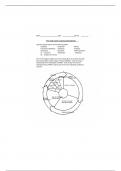
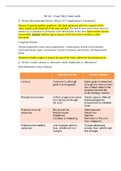
GET THE DRAWING/TABLE FROM
AANISAH!!!!!!!!!!!!!!!!!!!!!!!!!!!!!!!!!!!!!!!!!!!!!!!!!!!!!!!!!!!!!!!!!!!!!!!
04 February 2014
01:58 PM
04 February:
Introductory lecture
Consultation hours:
Tues 11-1
Wed 1-3
Office number correction:
2001 OUH
05 February:
Chapter 1: Introduction to the history and theory of the Law of Evidence:
Introduction:
Existence or non-existence of facts must be probed, before pronouncement of rights and
duties can be determined
o Validity of a contract being disputed for eg
Validity of the contract and existence thereof must first be determined before the
rights and duties flowing from contract can be determined
Proof of facts is regulated by law of evidence
Law of evidence with crim proc
o Adjectival law (procedural law)
What differentiates procedural law from private law is the fact that eng law is
regarded as the CL of the SA law of evidence
NO RDL is applicable with law of evidence NB!!!!!!!!!!!!!!!!!!!!!!!
Function:
Law of evidence gives practical meaning to the substantive law and which makes it effective
Which facts are legally admissible
o R v Smith
Accused was accused of the murder of his wife
She was found in the bath (drowned)
No bruises on the body
Man was on the premises during the drowning and he said she was dead due to
an epileptic fit
Matter went to court and the case was interesting therefore gained a lot of
publicity
During hearing a woman said that he was previously married to her sister and she
was found dead in the same way and he alleged the same thing
2nd woman came forward stating the same as the first woman
Question:
Improbability of coincidence
Found dead in the same way
With regard to the same man
, This evidence was admissible
o Eg. If a 22 year old man is accused of stealing a car
State can say that at the age of 15 the person stole a bicycle
Is this information applicable and admissible????
NO, this will be irrelevant and inadmissible
HOWEVER: this may sometimes be admissible if it is relevant
How evidence is presented in sa courts
Which evidence may be lawfully withheld from a court
o Attorney client privelege is applicable here
o Privilege between spouses
Weight of evidence
o NOTE: can only determine the weight of the evidence after it has been determined that
the evidence is admissible
Standard of proof
o Crim cases: BRD
Eg. If the accused is found not guilty, this does not mean that the court does not
think he did not do it. It means that there was no proof BRD upon which they
could convict him
o Civil cases: BoP
Development:
Not as old as RDL
3 phases:
o Religious phase
Very primitive
Importance:
NB because it indicates why the law of evidence is younger than
Indicates why we needed to move away from the primitive way of thinking
Shows why the oath is so important
Irrational methods were allowed
Idea was that God/gods could only judge human beings, humans could not
judge each other
"purifying oath"
If under oath they gave evidence it was regarded as the truth because it was
unthinkable that u would lie under oath
Trial by ordeal/Divine judgements
Accused had to undergo a test and the outcome of that test determined
whether the person was guilty
"Bitter water"
Where a woman was accused of adultery a priest would give bitter water
and if her stomach swelled up she was guilty
Ordeal of the accursed morsel
Gave the person dry bread and if they choked they were guilty
Reason behind this is that a person who has a guilty conscience, the feeling
of guilty would dry up his mouth
iii. Hot iron
If the burn wound from the hot iron became infected the accused was found
guilty of the crime
Trial by battle
Persons who survived were not guilty
, Physical battle later developed to a verbal battle which is still present in our courts
o Formal stage
We became more sophisticate d and the irrational methods were gone
Oath helpers (compurgators)
Not eyewitnesses
Made an oath saying that one parties story was the truth
Win by numbers
If you were popular you could get many people to testify and
win the case
Indicates the importance of the oath as well, still used today but in a
different manner
o Rational phase
Still present in our time
Became more apparent that oath helpers could play a more prominent role
Role of oath helpers:
Used as decision makers due to their knowledge of a certain incident and
personal information about what happened
Use of them in this regard led to a crude form of the jury trial
Times changed and disputes became more complicated
Role of oath helpers had to be adjusted accordingly
17th century:
Rather call witnesses to, under oath, testify to things that he saw, perceived,
experienced with his senses
Jurors were still called as decision makers but the jurors should not have
had any personal knowledge of the circumstances or incident
Jurors had to have an empty page in their heads, to fill the page and the
story based on the evidence that the witness presented in court
Relationship between judges and jurors were also vested
Judges had to determine the law
Jurors had to make a factual finding (determine the facts)
Judges:
Considered the admissibility of evidence
Jurors:
Not trained in the law
Will give more weight to certain inadmissible evidence
Decision with admissibility of evidence is a fact of law and not of fact
Trial by jury abolished:
Crim cases
1969
Civil cases
1927
We still have an evidentiary system that was developed for the use of jurors
Must keep in mind that the previously laid down principles are the principles that
are still applied today
System is devised for the use of jurors
Strict system of evidence:
Emphasis is on the admissibility of evidence
If evidence would mislead a juror, it is inadmissible
GET THE DRAWING/TABLE FROM
AANISAH!!!!!!!!!!!!!!!!!!!!!!!!!!!!!!!!!!!!!!!!!!!!!!!!!!!!!!!!!!!!!!!!!!!!!!!